
Protecting Your HVAC System from Construction Dust in Growing Neighborhoods Like Mission Bay
Construction dust in San Francisco’s booming Mission Bay neighborhood can destroy your HVAC system in days. Fine particles from drywall, concrete, and silica clog coils, burn out motors, and contaminate indoor air. This guide shows you how to protect your equipment during nearby construction projects using proven San Francisco-specific methods. San Francisco Department of Building Inspection.
Mission Bay’s rapid development means constant dust exposure for nearby buildings. Without proper protection, construction dust particles as small as 0.5 microns enter your system through tiny gaps, coating evaporator coils and reducing efficiency by up to 30 percent. The San Francisco Department of Building Inspection requires contractors to implement dust control measures, but your HVAC system still needs additional protection.. Read more about Reducing Pollen and Outdoor Irritants in Homes Near the Presidio.
The Hidden Damage Construction Dust Causes
Construction dust particles travel through air currents and settle on HVAC components. Drywall dust contains gypsum and silica that stick to damp evaporator coils. When dust coats these coils, heat transfer drops dramatically. Your system works harder, energy bills rise, and components fail prematurely.
Blower motors face the worst damage. Dust accumulates on motor bearings, creating friction that generates heat. Over time, motors seize or burn out completely. Replacing a blower motor costs $800 to $1,500, while preventing dust damage costs far less.
Indoor air quality suffers when construction dust enters your system. Fine particles circulate through ductwork, triggering allergies and respiratory issues. The California Air Resources Board links construction dust exposure to increased asthma rates in urban areas. California Air Resources Board.
Pre-Construction Protection Strategies
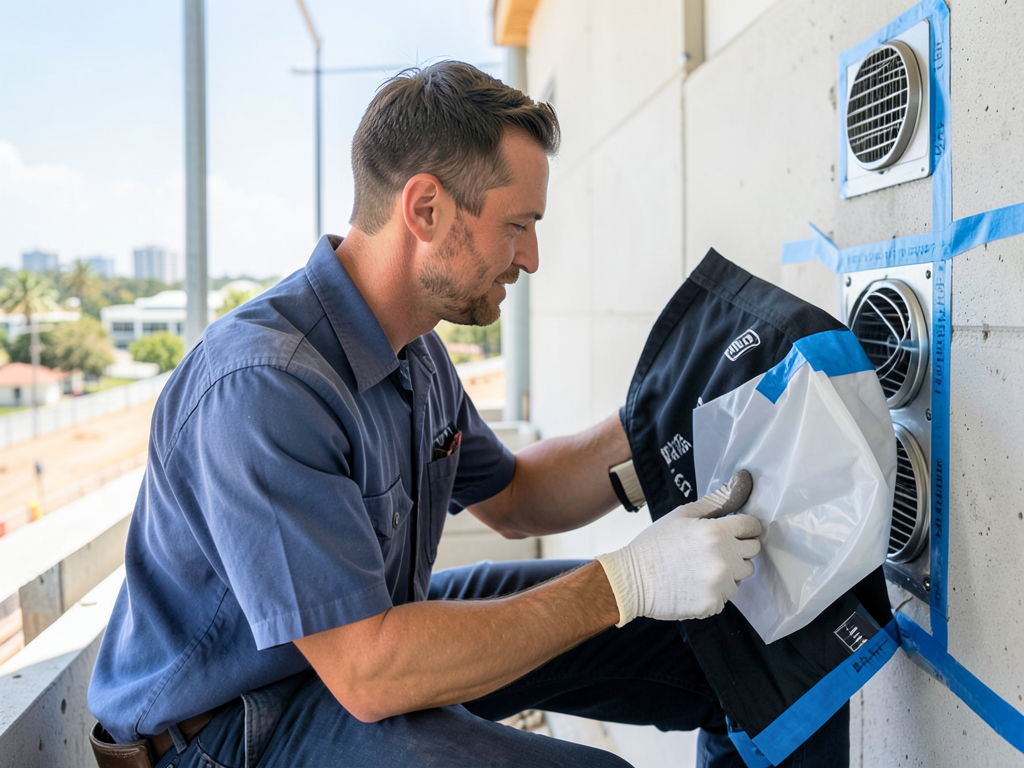
Sealing your HVAC system before construction begins provides the best protection. Start by blocking all return air registers with 6-mil polyethylene plastic and painter’s tape. This creates a physical barrier that stops dust from entering the return duct.
Cover supply vents similarly to prevent positive pressure from forcing dust into living spaces. Use blue painter’s tape instead of duct tape to avoid leaving adhesive residue on surfaces. Replace tape every 48 hours as adhesive breaks down in San Francisco’s humidity.. Read more about The Surprising Reason Your San Francisco Home is Dustier Than It Should Be.
Install temporary MERV 13 filters in your air handler. Standard filters catch particles down to 10 microns, but construction dust includes particles as small as 0.5 microns. MERV 13 filters capture 90 percent of particles between 1 and 3 microns, providing much better protection during construction. The Best Way to Install Heat Pumps in Historic San Francisco Victorians.
Turn off your HVAC system during active construction periods. Running the system creates negative pressure that pulls dust through tiny gaps around doors, windows, and construction barriers. Keep the system off until dust-generating work completes.
Active Protection During Construction
Maintain negative air pressure in construction zones using portable air scrubbers. These machines filter air and exhaust it outside, creating a pressure differential that keeps dust contained. Position air scrubbers near construction areas and run them continuously during work hours.
Replace temporary MERV 13 filters every 72 hours during active construction. These filters clog quickly with fine dust particles. A clogged filter restricts airflow, causing your system to work harder and potentially overheat.
Monitor static pressure in your ductwork using a manometer. Normal static pressure ranges from 0.5 to 1.0 inches of water column. If pressure exceeds 1.5 inches, your filters need replacement or your ducts have significant dust buildup.
Seal gaps around doors and windows with temporary weatherstripping. Construction dust enters through the smallest openings. Focus on areas near construction sites where dust concentrations are highest.
San Francisco Building Code Requirements
The San Francisco Department of Building Inspection requires contractors to implement dust control measures under Section 108A of the San Francisco Building Code. This includes wetting down work areas, using dust barriers, and proper disposal of construction debris.
California Title 24 energy standards require HVAC systems to maintain specific air leakage rates. Construction dust can compromise these seals, causing your system to fail code compliance testing. Post-construction testing ensures your system meets Title 24 requirements.
OSHA silica dust standards limit airborne silica concentrations to 50 micrograms per cubic meter. Contractors must use dust collection systems when cutting concrete or masonry. However, these systems don’t catch all particles, making additional HVAC protection necessary.
San Francisco’s unique climate affects dust behavior. The city’s high humidity causes dust particles to clump together, creating larger particles that settle more quickly but can still enter HVAC systems through return air intakes.
Post-Construction System Recovery
After construction completes, professional duct cleaning removes accumulated dust. Standard duct cleaning reaches only visible portions of ductwork. Professional cleaning uses negative air machines and rotating brushes to clean the entire duct system. Professional Commercial HVAC Maintenance for SOMA Office Buildings.
Replace all filters immediately after construction ends. Even with protection, some dust enters your system. Start with fresh MERV 13 filters and replace them after 30 days of normal operation.
Test your system’s static pressure and airflow rates. Construction dust can damage internal components without visible signs. A technician uses a manometer to measure pressure drops across coils and filters.
Clean evaporator and condenser coils using non-acidic coil cleaner. Dust buildup insulates these surfaces, reducing heat transfer efficiency. Clean coils restore your system to peak performance.
Inspect blower motors for bearing wear. Construction dust accelerates bearing degradation. Listen for unusual noises that indicate bearing problems. Early detection prevents complete motor failure.
Cost Comparison: Protection vs. Replacement
| Protection Method | Cost Range | Coverage Duration | Effectiveness Rating |
|---|---|---|---|
| Temporary MERV 13 Filters | $25-$45 each | 72 hours active | Moderate |
| Professional Duct Sealing | $800-$1,500 | Permanent | High |
| Air Scrubber Rental | $150-$300 per week | Construction period | High |
| Complete System Replacement | $5,000-$15,000 | N/A | N/A |
Mission Bay Specific Considerations
Mission Bay’s construction sites generate unique dust challenges. The area’s former industrial use means soil contains elevated levels of heavy metals and silica. These particles are more abrasive than typical construction dust.
High-rise construction in Mission Bay creates wind tunnels that carry dust across blocks. Buildings near construction sites experience dust infiltration even with windows closed. Stack effect in tall buildings draws dust upward through elevator shafts and stairwells.
Mission Bay’s proximity to San Francisco Bay means salt air mixes with construction dust. Salt accelerates corrosion on HVAC components. Units within two blocks of the bay need additional corrosion protection.. Read more about Fighting Rust and Corrosion on Outdoor HVAC Units in Windy Neighborhoods Like Twin Peaks.
Local building codes require dust monitoring in Mission Bay construction zones. Contractors must submit dust control plans to the San Francisco Department of Public Health. However, these plans focus on outdoor air quality, not HVAC system protection.
Professional Assessment Tools
Technicians use particle counters to measure airborne dust concentrations. These devices count particles in six size ranges from 0.3 to 10 microns. Normal indoor air contains 500-1,000 particles per cubic foot. Construction zones often exceed 100,000 particles per cubic foot.
Thermal imaging cameras detect temperature differences caused by dust buildup on coils. Dusty coils show as cold spots because dust insulates the surface. This non-invasive test identifies problem areas without dismantling equipment.
Particle mass monitors measure dust accumulation rates. These devices weigh filter samples over time, showing how quickly dust builds up. This data helps determine optimal filter replacement schedules.
Indoor air quality monitors track VOC levels, humidity, and particulate matter. Construction dust often contains VOCs from adhesives and finishes. Monitoring these levels ensures your protection measures work effectively.
Long-Term Protection Strategies
Install permanent high-efficiency air filtration systems. Whole-house HEPA filters capture 99.97 percent of particles 0.3 microns and larger. While expensive upfront, these systems provide year-round protection beyond construction periods.
Upgrade to variable-speed HVAC equipment. These systems run at lower speeds continuously, maintaining consistent air pressure and reducing dust infiltration opportunities. They also filter air more effectively at low speeds.
Implement smart thermostat scheduling. Program your system to run during low-dust periods, such as early morning or late evening. This reduces exposure during peak construction hours.
Consider zoned HVAC systems for buildings near construction sites. Zoning allows you to isolate and protect critical areas while maintaining comfort in less vulnerable zones.
When to Call a Professional
Call (628) 201-6600 if you notice these warning signs after nearby construction:
- Reduced airflow from vents
- Unusual system noises
- Higher than normal energy bills
- Visible dust around vents
- Allergy symptoms in household members
Professional assessment includes system inspection, static pressure testing, and air quality monitoring. Early intervention prevents costly repairs and extends equipment life. Fast and Affordable AC Repair Services in Daly City and South San Francisco.
Don’t wait until your system fails. Construction dust damage accumulates silently. A quick inspection can identify problems before they become expensive repairs.
Call (628) 201-6600 today to schedule your construction dust protection assessment. Our San Francisco technicians understand local construction patterns and provide targeted protection strategies for Mission Bay and surrounding neighborhoods.
Frequently Asked Questions
How long should I protect my HVAC system during nearby construction?
Protect your system throughout the entire construction project plus two weeks after completion. Dust generation continues during cleanup and finishing work. Post-construction dust settles from surrounding areas for several weeks.
Can I clean my HVAC system myself after construction?
Basic filter replacement is safe for homeowners, but professional cleaning is recommended for post-construction recovery. Professionals use specialized equipment to clean coils, ducts, and internal components without damaging sensitive parts.
What’s the difference between MERV 8 and MERV 13 filters for construction dust?
MERV 8 filters catch particles 3-10 microns in size, missing most construction dust. MERV 13 filters capture particles 1-3 microns, including most drywall dust and silica particles. The difference in protection is significant during construction.
How much does professional duct cleaning cost in San Francisco?
Professional duct cleaning in San Francisco typically costs $400-$900 for a standard home. Post-construction cleaning may cost more due to increased contamination levels and the need for more thorough cleaning.
Will my homeowner’s insurance cover construction dust damage?
Standard policies rarely cover construction dust damage unless the construction was done by a contractor you hired. Damage from neighboring construction is typically considered a maintenance issue. Check your specific policy details.
How can I tell if construction dust has already damaged my system?
Signs include reduced cooling/heating capacity, unusual noises from the air handler, visible dust accumulation around vents, and higher energy bills. A professional inspection can identify specific damage to coils, motors, and other components. Who to Call for 24 Hour Emergency Heating Repair in San Francisco.
What’s the best way to seal return air registers?
Use 6-mil polyethylene plastic secured with blue painter’s tape. This combination provides an effective seal without damaging surfaces. Replace the seal every 48 hours as tape adhesive degrades over time.
How does San Francisco’s humidity affect construction dust protection?
High humidity causes dust particles to clump together, creating larger particles that settle more quickly but can still enter HVAC systems. Humidity also affects tape adhesion, requiring more frequent seal replacement.
{
“@context”: “https://schema.org”,
“@type”: “BlogPosting”,
“headline”: “Protecting Your HVAC System from Construction Dust in Growing Neighborhoods Like Mission Bay”,
“description”: “Construction dust in Mission Bay can destroy your HVAC system. Learn how to seal, filter, and protect your equipment during SF’s building boom. Call (628) 201-6600 for help.”,
“wordCount”: 1789,
“datePublished”: “2026-05-16T08:12:00.000Z”,
“dateModified”: “2026-05-16T08:12:00.000Z”,
“inLanguage”: “en-US”,
“mainEntityOfPage”: {
“@type”: “WebPage”,
“@id”: “https://atlashvacsanfrancisco.com”
},
“publisher”: {
“@type”: “LocalBusiness”,
“name”: “Atlas HVAC San Francisco”,
“url”: “https://atlashvacsanfrancisco.com”
},
“author”: {
“@type”: “Organization”,
“name”: “Atlas HVAC San Francisco”,
“url”: “https://atlashvacsanfrancisco.com”
},
“image”: {
“@type”: “ImageObject”,
“url”: “https://atlashvacsanfrancisco.com/wp-content/uploads/2026/03/protecting-your-hvac-system-from-construction-dust-1.png”
}
}
{
“@context”: “https://schema.org”,
“@type”: “HVACBusiness”,
“name”: “Atlas HVAC San Francisco”,
“url”: “https://atlashvacsanfrancisco.com”,
“address”: {
“@type”: “PostalAddress”,
“addressLocality”: “San Francisco”
},
“areaServed”: {
“@type”: “City”,
“name”: “San Francisco”
}
}
{
“@context”: “https://schema.org”,
“@type”: “FAQPage”,
“mainEntity”: [
{
“@type”: “Question”,
“name”: “How long should I protect my HVAC system during nearby construction?”,
“acceptedAnswer”: {
“@type”: “Answer”,
“text”: “Protect your system throughout the entire construction project plus two weeks after completion. Dust generation continues during cleanup and finishing work. Post-construction dust settles from surrounding areas for several weeks.”
}
},
{
“@type”: “Question”,
“name”: “Can I clean my HVAC system myself after construction?”,
“acceptedAnswer”: {
“@type”: “Answer”,
“text”: “Basic filter replacement is safe for homeowners, but professional cleaning is recommended for post-construction recovery. Professionals use specialized equipment to clean coils, ducts, and internal components without damaging sensitive parts.”
}
},
{
“@type”: “Question”,
“name”: “What’s the difference between MERV 8 and MERV 13 filters for construction dust?”,
“acceptedAnswer”: {
“@type”: “Answer”,
“text”: “MERV 8 filters catch particles 3-10 microns in size, missing most construction dust. MERV 13 filters capture particles 1-3 microns, including most drywall dust and silica particles. The difference in protection is significant during construction.”
}
},
{
“@type”: “Question”,
“name”: “How much does professional duct cleaning cost in San Francisco?”,
“acceptedAnswer”: {
“@type”: “Answer”,
“text”: “Professional duct cleaning in San Francisco typically costs $400-$900 for a standard home. Post-construction cleaning may cost more due to increased contamination levels and the need for more thorough cleaning.”
}
},
{
“@type”: “Question”,
“name”: “Will my homeowner’s insurance cover construction dust damage?”,
“acceptedAnswer”: {
“@type”: “Answer”,
“text”: “Standard policies rarely cover construction dust damage unless the construction was done by a contractor you hired. Damage from neighboring construction is typically considered a maintenance issue. Check your specific policy details.”
}
},
{
“@type”: “Question”,
“name”: “How can I tell if construction dust has already damaged my system?”,
“acceptedAnswer”: {
“@type”: “Answer”,
“text”: “Signs include reduced cooling/heating capacity, unusual noises from the air handler, visible dust accumulation around vents, and higher energy bills. A professional inspection can identify specific damage to coils, motors, and other components. Who to Call for 24 Hour Emergency Heating Repair in San Francisco.”
}
},
{
“@type”: “Question”,
“name”: “What’s the best way to seal return air registers?”,
“acceptedAnswer”: {
“@type”: “Answer”,
“text”: “Use 6-mil polyethylene plastic secured with blue painter’s tape. This combination provides an effective seal without damaging surfaces. Replace the seal every 48 hours as tape adhesive degrades over time.”
}
},
{
“@type”: “Question”,
“name”: “How does San Francisco’s humidity affect construction dust protection?”,
“acceptedAnswer”: {
“@type”: “Answer”,
“text”: “High humidity causes dust particles to clump together, creating larger particles that settle more quickly but can still enter HVAC systems. Humidity also affects tape adhesion, requiring more frequent seal replacement.”
}
}
]
}
{
“@context”: “https://schema.org”,
“@type”: “BreadcrumbList”,
“itemListElement”: [
{
“@type”: “ListItem”,
“position”: 1,
“name”: “Home”,
“item”: “https://atlashvacsanfrancisco.com”
},
{
“@type”: “ListItem”,
“position”: 2,
“name”: “Blog”,
“item”: “https://atlashvacsanfrancisco.com/blog”
},
{
“@type”: “ListItem”,
“position”: 3,
“name”: “Protecting Your HVAC System from Construction Dust in Growing Neighborhoods Like Mission Bay”
}
]
}
{
“@context”: “https://schema.org”,
“@type”: “Service”,
“serviceType”: “HVAC”,
“provider”: {
“@type”: “LocalBusiness”,
“name”: “Atlas HVAC San Francisco”,
“url”: “https://atlashvacsanfrancisco.com”
},
“areaServed”: {
“@type”: “City”,
“name”: “San Francisco”
},
“description”: “Construction dust in Mission Bay can destroy your HVAC system. Learn how to seal, filter, and protect your equipment during SF’s building boom. Call (628) 201-6600 for help.”
}