
Creating a Dedicated Climate Zone for Your SOMA Loft Home Office
Working from your SOMA loft home office means dealing with temperature swings that can kill productivity. One minute you’re freezing in morning fog, the next you’re sweating through afternoon sun hitting your exposed brick walls. Standard central air systems weren’t designed for the unique challenges of San Francisco’s South of Market district lofts, where open floor plans meet historic building quirks.
The solution isn’t just about cooling or heating—it’s about creating a dedicated climate zone that maintains consistent comfort while respecting your loft’s architectural integrity. From decibel levels that won’t disrupt video calls to energy efficiency that keeps your PG&E bills manageable, your home office deserves a system built for how you actually work. Who to Call for 24 Hour Emergency Heating Repair in San Francisco.
Why Standard Central Air Might Not Work for Your Workspace
Most SOMA lofts were built before central HVAC became standard, and retrofitting ductwork through exposed beams and concrete ceilings creates more problems than it solves. The open floor plans that make these spaces so appealing also make temperature control nearly impossible with traditional systems.
Heat rises in your loft, so your bedroom might be 5-8 degrees warmer than your office area. Standard vents often get blocked by furniture or artwork, creating dead zones where air stagnates. Plus, the constant fog rolling through the Financial District means your loft experiences rapid temperature drops that central systems can’t respond to quickly enough.
California Title 24 energy codes also require specific efficiency standards that many older buildings can’t meet without major electrical upgrades. This means installing traditional central air could require not just new ductwork but also a complete electrical panel replacement—a costly and invasive process that many loft owners want to avoid. California Title 24 Energy Standards.
Top 3 HVAC Options: Mini-Splits, Heat Pumps, and Window Units
When creating a dedicated climate zone for your SOMA loft office, you have three main paths forward. Each offers different benefits depending on your space constraints, budget, and how you use your home office throughout the day.. Read more about Designing a Climate Controlled Wine Cellar for Your Pacific Heights Residence.
Ductless Mini-Splits: The Gold Standard for SF Professionals
Mini-split systems have become the go-to solution for San Francisco professionals who need whisper-quiet operation and precise temperature control. These systems consist of an outdoor condenser unit connected to one or more indoor air handlers, eliminating the need for invasive ductwork. Professional Commercial HVAC Maintenance for SOMA Office Buildings.
The real advantage for your SOMA loft is flexibility. You can mount indoor units on walls, ceilings, or even in closets, keeping them out of sight while maintaining the industrial aesthetic. Modern mini-splits operate at just 19-25 decibels—quieter than a laptop fan—making them perfect for video conferencing and focused work. Quiet and Efficient Furnace Replacement Options for Pacific Heights Residents.
Energy efficiency matters in San Francisco’s climate. Mini-splits use inverter technology that adjusts compressor speed based on demand, rather than cycling on and off like traditional systems. This means consistent temperatures without the energy spikes that drive up your utility bills during peak fog season.
Heat Pumps: Year-Round Comfort in One System
Heat pumps work by moving heat rather than generating it, making them incredibly efficient for San Francisco’s mild but variable climate. They provide both heating and cooling from a single unit, eliminating the need for separate systems. EPA Indoor Air Quality Guidelines.
For SOMA lofts, heat pumps offer a significant advantage: they excel at dehumidification. San Francisco’s fog creates high humidity levels that make your office feel colder than it actually is. Heat pumps actively remove moisture from the air, creating a more comfortable environment without constantly running the cooling cycle. The Best Way to Install Heat Pumps in Historic San Francisco Victorians.
Modern heat pumps include smart thermostats that learn your schedule and adjust temperatures automatically. They can pre-cool your office before your 9 AM standup meeting or warm it up during evening work sessions, all while maintaining energy efficiency that meets California’s strict Title 24 requirements.
Window Units: The Budget-Friendly Option
Window air conditioners remain the most affordable way to create a dedicated climate zone, but they come with significant trade-offs for SOMA loft living. The main issue isn’t just aesthetics—window units can’t effectively filter San Francisco’s fine particulate matter from vehicle exhaust and occasional wildfire smoke. Fast and Affordable AC Repair Services in Daly City and South San Francisco.
Noise levels present another challenge. Most window units operate at 50-60 decibels, which is fine for background noise but can be distracting during important client calls. They also block natural light and can create security concerns in ground-floor lofts.
However, if you’re renting or need a temporary solution while saving for a permanent system, modern window units with heat pump technology offer surprising efficiency. Look for models with MERV 13 filtration to help with indoor air quality during wildfire season.
San Francisco Specific Considerations: Fog, Noise, and Space
SOMA’s unique microclimate creates challenges that generic HVAC solutions don’t address. The afternoon fog that rolls in from the bay can drop temperatures 15-20 degrees in under an hour, requiring a system that responds quickly without short cycling.
Noise ordinances in San Francisco limit outdoor unit decibel levels to 45 dB at property lines. This means you need equipment specifically designed for urban environments, not the standard units that work fine in suburban settings. The proximity to neighbors in SOMA lofts also means indoor unit placement requires careful consideration to avoid sound transmission through shared walls.
Space constraints in historic lofts often mean outdoor units must be mounted on brackets rather than concrete pads. This requires seismic anchoring per California building codes to prevent units from shifting during earthquakes. The weight distribution also matters—older buildings may have load-bearing limitations that affect where you can install equipment.
Wildfire season has become a year-round concern in the Bay Area. Your home office HVAC system needs MERV 13 or higher filtration to capture fine particulate matter that can penetrate standard filters. This isn’t just about comfort—it’s about protecting your respiratory health during extended smoke events.
Energy Efficiency and California Title 24 Compliance
California’s Title 24 energy efficiency standards aren’t just guidelines—they’re mandatory requirements that affect every HVAC installation in San Francisco. These codes require specific SEER2 ratings, proper insulation, and smart thermostat integration for all new systems.
For SOMA lofts, Title 24 compliance often means choosing equipment with a minimum SEER2 rating of 15 for cooling and 8.5 for heating. This ensures your system meets the state’s energy reduction goals while keeping your utility costs manageable. The codes also require proper load calculations to prevent oversizing, which wastes energy and creates uncomfortable temperature swings.
Smart thermostats have become mandatory under Title 24 for all new HVAC installations. These devices learn your patterns and optimize energy usage, potentially saving 10-15% on heating and cooling costs. They also provide valuable data about your system’s performance, helping you identify issues before they become expensive problems.
The Bay Area’s Clean Energy Connection program offers rebates for heat pump installations that meet specific efficiency criteria. These incentives can offset 15-20% of your installation costs, making high-efficiency systems more affordable for SOMA professionals upgrading their home offices.
Estimated Costs for Home Office HVAC Installation in the Bay Area
Understanding the investment required for your SOMA loft home office HVAC system helps you budget effectively. Costs vary significantly based on your specific space, existing infrastructure, and the system you choose.
| System Type | Estimated Cost Range | Installation Time | Key Benefits |
|---|---|---|---|
| Ductless Mini-Split | $3,500 – $7,000 | 1-2 days | Whisper-quiet, zoned control, no ductwork |
| Heat Pump System | $4,000 – $8,500 | 2-3 days | Year-round comfort, high efficiency |
| High-Efficiency Window Unit | $500 – $1,500 | Same day | Lowest cost, easy installation |
Additional costs to consider include electrical panel upgrades if your existing panel can’t handle the new load—common in SOMA lofts built before 1980. Permitting fees through the San Francisco Department of Building Inspection typically add $200-400 to your project. Smart thermostat integration might cost an additional $200-300 but is required for Title 24 compliance.
Energy savings from high-efficiency systems can offset installation costs over time. A properly sized mini-split might save $300-500 annually compared to older window units or space heaters, meaning your system could pay for itself in 5-7 years through reduced utility bills.
Frequently Asked Questions
How do I know what size HVAC system I need for my SOMA loft office?
System sizing depends on your office square footage, ceiling height, insulation quality, and sun exposure. A 150-square-foot office typically needs 5,000-6,000 BTUs, while a 300-square-foot space might require 9,000-12,000 BTUs. Professional load calculations account for San Francisco’s unique climate factors.
Can I install HVAC equipment myself in my San Francisco loft?
California law requires licensed HVAC contractors for all system installations. DIY installation not only violates building codes but also voids manufacturer warranties and can create safety hazards with refrigerant handling. Professional installation ensures Title 24 compliance and proper system performance.
How long does a typical home office HVAC installation take?
Most mini-split installations in SOMA lofts take 1-2 days, including equipment mounting, refrigerant line installation, and system testing. Heat pump installations might require 2-3 days if electrical upgrades are needed. Window units can be installed in a few hours but don’t offer the same efficiency or comfort.
What maintenance does a home office HVAC system require?
Annual professional maintenance includes checking refrigerant levels, cleaning coils, and testing electrical connections. You should also clean or replace filters every 1-3 months depending on usage and air quality. Regular maintenance prevents costly repairs and ensures your system operates at peak efficiency.
Will a new HVAC system increase my home’s value?
Energy-efficient HVAC systems with smart thermostats are increasingly valued by homebuyers, especially in San Francisco’s competitive market. A properly installed system can improve your home’s energy score and appeal to environmentally conscious buyers. The investment often returns 60-80% of installation costs in increased property value.
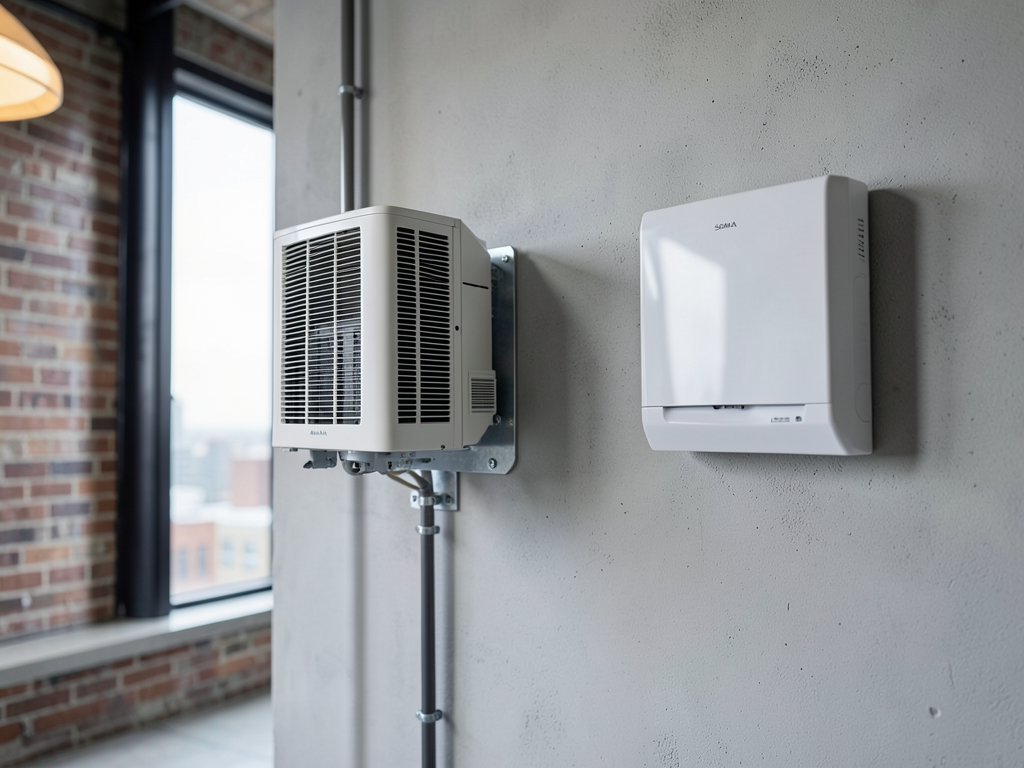
Diagram showing how a ductless mini-split system connects outdoor condenser to indoor air handler without requiring ductwork through exposed beams.
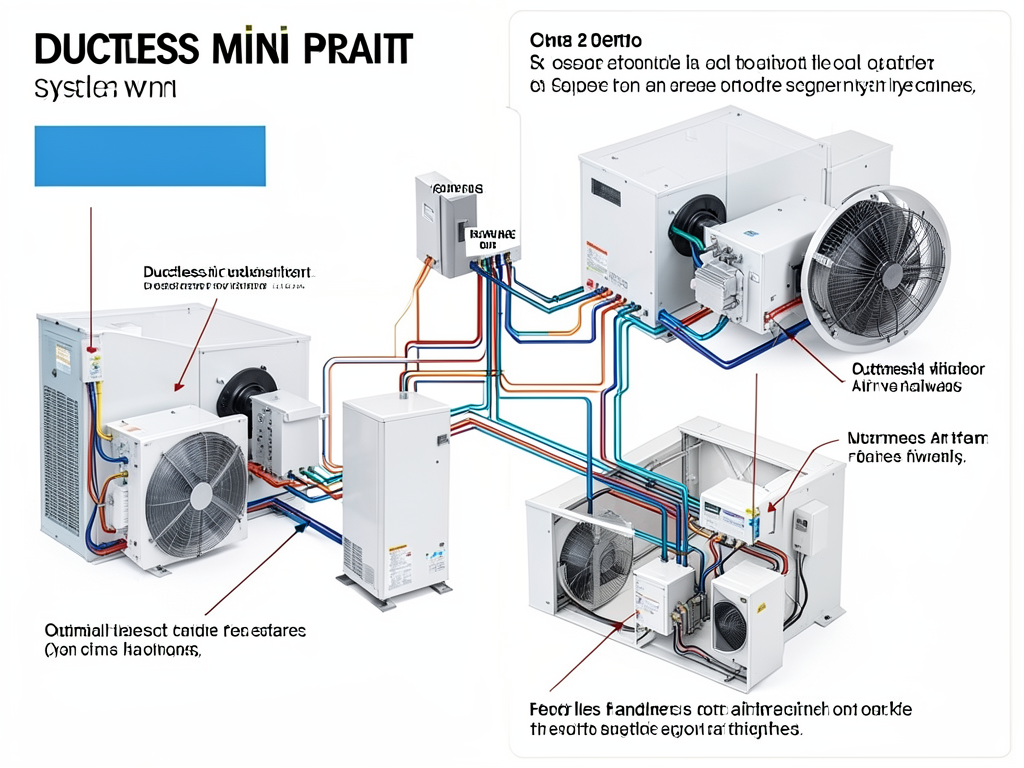
Photo of a modern mini-split air handler mounted on a SOMA loft wall, maintaining the industrial aesthetic while providing quiet climate control.
Before and after comparison showing the transformation from a hot, stuffy home office to a comfortable, climate-controlled workspace with proper zoning.
Ready to Create Your Perfect Home Office Climate?
Your SOMA loft home office deserves better than temperature swings and noisy window units. Whether you need whisper-quiet operation for video calls, energy efficiency to keep utility costs down, or a system that handles San Francisco’s unique fog and humidity, we’ve got you covered.. Read more about Is an Ecobee or Nest Better for Controlling a Multi Story San Francisco Home.
Don’t let another day of uncomfortable working conditions impact your productivity. Call (628) 201-6600 today to schedule your free consultation. We’ll assess your specific space, discuss your comfort needs, and provide a detailed quote for creating the perfect climate zone in your SOMA loft home office.
Pick up the phone and call (628) 201-6600 before the next heat wave or cold snap hits. Your perfect home office climate is just one call away.
{
“@context”: “https://schema.org”,
“@type”: “BlogPosting”,
“headline”: “Creating a Dedicated Climate Zone for Your SOMA Loft Home Office”,
“description”: “Struggling with inconsistent temperatures in your SOMA loft home office? Discover how to create a dedicated climate zone with mini-splits, heat pumps, and smart zoning for year-round comfort.”,
“wordCount”: 1844,
“datePublished”: “2026-04-29T08:29:00.000Z”,
“dateModified”: “2026-04-29T08:29:00.000Z”,
“inLanguage”: “en-US”,
“mainEntityOfPage”: {
“@type”: “WebPage”,
“@id”: “https://atlashvacsanfrancisco.com”
},
“publisher”: {
“@type”: “LocalBusiness”,
“name”: “Atlas HVAC San Francisco”,
“url”: “https://atlashvacsanfrancisco.com”
},
“author”: {
“@type”: “Organization”,
“name”: “Atlas HVAC San Francisco”,
“url”: “https://atlashvacsanfrancisco.com”
},
“image”: {
“@type”: “ImageObject”,
“url”: “https://atlashvacsanfrancisco.com/wp-content/uploads/2026/03/creating-a-dedicated-climate-zone-for-your-soma-lo-1.png”
}
}
{
“@context”: “https://schema.org”,
“@type”: “HVACBusiness”,
“name”: “Atlas HVAC San Francisco”,
“url”: “https://atlashvacsanfrancisco.com”,
“address”: {
“@type”: “PostalAddress”,
“addressLocality”: “San Francisco”
},
“areaServed”: {
“@type”: “City”,
“name”: “San Francisco”
}
}
{
“@context”: “https://schema.org”,
“@type”: “FAQPage”,
“mainEntity”: [
{
“@type”: “Question”,
“name”: “How do I know what size HVAC system I need for my SOMA loft office?”,
“acceptedAnswer”: {
“@type”: “Answer”,
“text”: “System sizing depends on your office square footage, ceiling height, insulation quality, and sun exposure. A 150-square-foot office typically needs 5,000-6,000 BTUs, while a 300-square-foot space might require 9,000-12,000 BTUs. Professional load calculations account for San Francisco’s unique climate factors.”
}
},
{
“@type”: “Question”,
“name”: “Can I install HVAC equipment myself in my San Francisco loft?”,
“acceptedAnswer”: {
“@type”: “Answer”,
“text”: “California law requires licensed HVAC contractors for all system installations. DIY installation not only violates building codes but also voids manufacturer warranties and can create safety hazards with refrigerant handling. Professional installation ensures Title 24 compliance and proper system performance.”
}
},
{
“@type”: “Question”,
“name”: “How long does a typical home office HVAC installation take?”,
“acceptedAnswer”: {
“@type”: “Answer”,
“text”: “Most mini-split installations in SOMA lofts take 1-2 days, including equipment mounting, refrigerant line installation, and system testing. Heat pump installations might require 2-3 days if electrical upgrades are needed. Window units can be installed in a few hours but don’t offer the same efficiency or comfort.”
}
},
{
“@type”: “Question”,
“name”: “What maintenance does a home office HVAC system require?”,
“acceptedAnswer”: {
“@type”: “Answer”,
“text”: “Annual professional maintenance includes checking refrigerant levels, cleaning coils, and testing electrical connections. You should also clean or replace filters every 1-3 months depending on usage and air quality. Regular maintenance prevents costly repairs and ensures your system operates at peak efficiency.”
}
},
{
“@type”: “Question”,
“name”: “Will a new HVAC system increase my home’s value?”,
“acceptedAnswer”: {
“@type”: “Answer”,
“text”: “Energy-efficient HVAC systems with smart thermostats are increasingly valued by homebuyers, especially in San Francisco’s competitive market. A properly installed system can improve your home’s energy score and appeal to environmentally conscious buyers. The investment often returns 60-80% of installation costs in increased property value.”
}
},
{
“@type”: “Question”,
“name”: “Ready to Create Your Perfect Home Office Climate?”,
“acceptedAnswer”: {
“@type”: “Answer”,
“text”: “Your SOMA loft home office deserves better than temperature swings and noisy window units. Whether you need whisper-quiet operation for video calls, energy efficiency to keep utility costs down, or a system that handles San Francisco’s unique fog and humidity, we’ve got you covered.”
}
}
]
}
{
“@context”: “https://schema.org”,
“@type”: “BreadcrumbList”,
“itemListElement”: [
{
“@type”: “ListItem”,
“position”: 1,
“name”: “Home”,
“item”: “https://atlashvacsanfrancisco.com”
},
{
“@type”: “ListItem”,
“position”: 2,
“name”: “Blog”,
“item”: “https://atlashvacsanfrancisco.com/blog”
},
{
“@type”: “ListItem”,
“position”: 3,
“name”: “Creating a Dedicated Climate Zone for Your SOMA Loft Home Office”
}
]
}
{
“@context”: “https://schema.org”,
“@type”: “Service”,
“serviceType”: “HVAC”,
“provider”: {
“@type”: “LocalBusiness”,
“name”: “Atlas HVAC San Francisco”,
“url”: “https://atlashvacsanfrancisco.com”
},
“areaServed”: {
“@type”: “City”,
“name”: “San Francisco”
},
“description”: “Struggling with inconsistent temperatures in your SOMA loft home office? Discover how to create a dedicated climate zone with mini-splits, heat pumps, and smart zoning for year-round comfort.”
}