
Deciding Between Radiant Floor Heating and Forced Air for Your Ingleside Remodel
Choosing the right heating system for your Ingleside home remodel comes down to more than just comfort. San Francisco’s mild but damp climate, historic home architecture, and strict building codes create unique challenges. Radiant floor heating offers silent, even warmth that works well with tile and hardwood floors. Forced air systems provide faster heating and cooling plus built-in air filtration. Your decision affects installation costs, energy bills, floor height, and long-term maintenance. This guide breaks down how each system performs in Ingleside’s fog belt, what permits you’ll need, and how to maximize efficiency with PG&E’s tiered rates. The Best Way to Install Heat Pumps in Historic San Francisco Victorians.
How Each System Works in San Francisco Homes
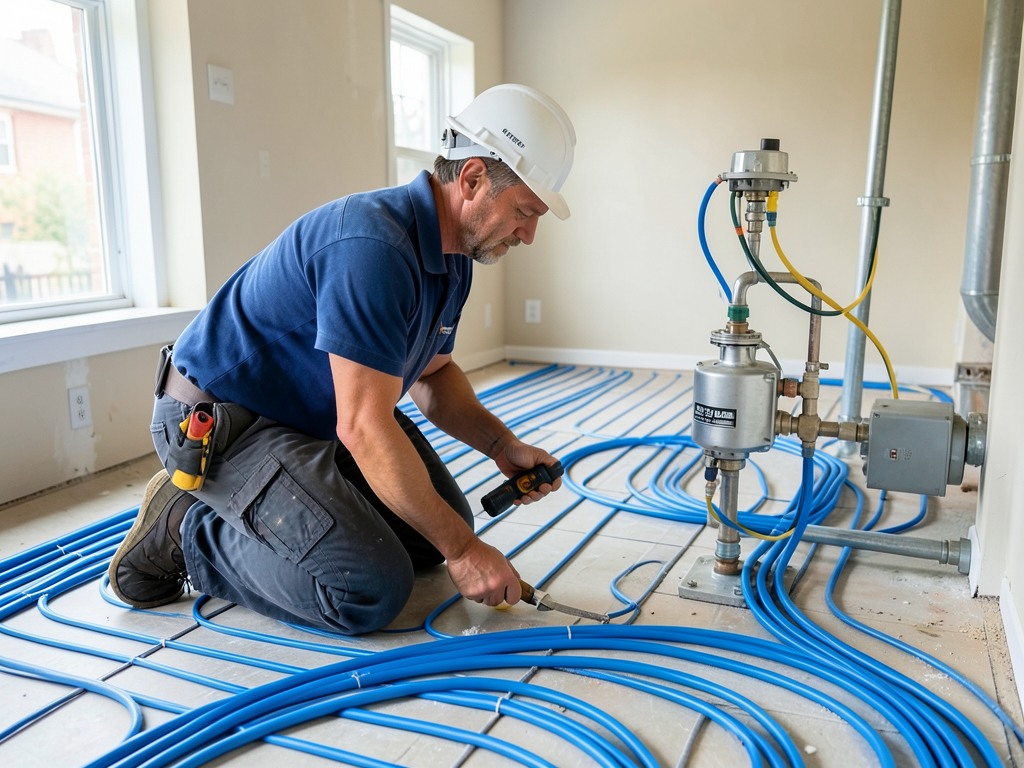
Radiant floor heating uses either electric coils or water-filled PEX tubing installed beneath your finished floor. The system radiates heat upward through the floor surface, warming objects and people directly. In San Francisco’s cool, humid climate, radiant heat reduces cold spots and eliminates the drafty feel of moving air. Hydronic systems connect to a boiler or heat pump and can integrate with your existing water heater. Electric systems heat faster but cost more to operate long-term. Who to Call for 24 Hour Emergency Heating Repair in San Francisco.
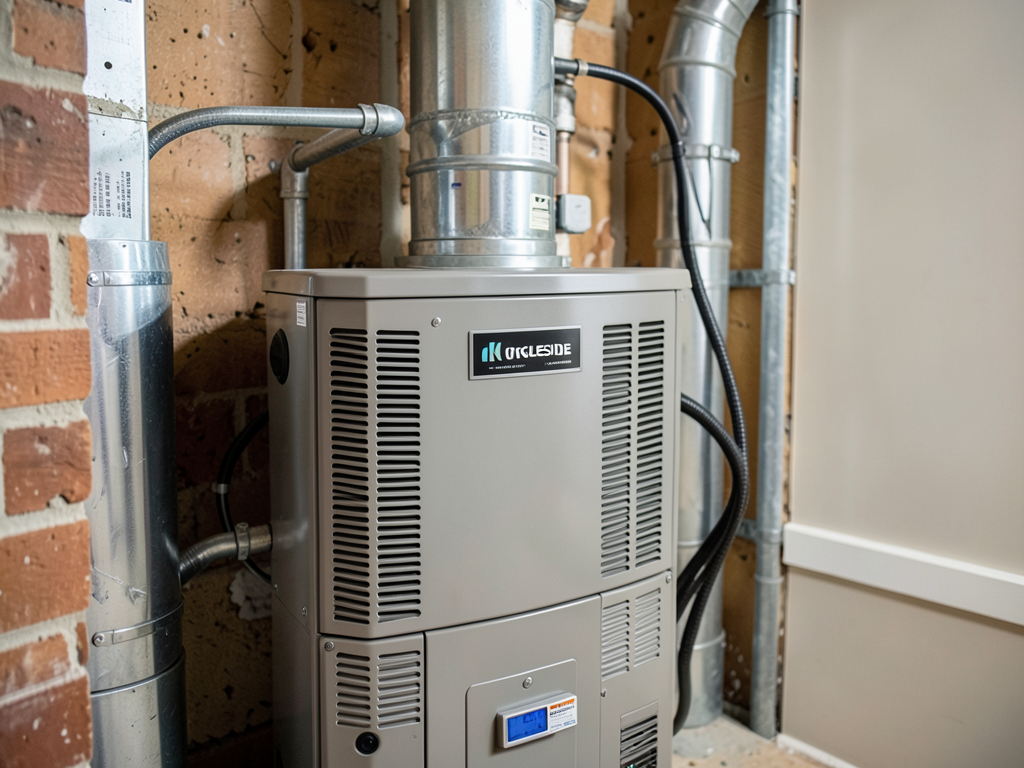
Forced air systems use a furnace or heat pump to warm air, then distribute it through ductwork via registers in each room. These systems heat spaces quickly and can provide central air conditioning—a major advantage in San Francisco where summer heat waves are becoming more common. Modern forced air setups include high-efficiency filters that trap allergens, dust, and wildfire smoke particles common in the Bay Area.. Read more about Protecting Your HVAC System from Construction Dust in Growing Neighborhoods Like Mission Bay.
Comfort and Air Quality in Ingleside’s Climate
Ingleside sits in San Francisco’s fog belt where humidity often exceeds 80% and temperatures rarely drop below freezing. Radiant heat excels here because it warms surfaces without drying the air or creating temperature stratification. You’ll notice fewer cold feet on bathroom tiles and more consistent temperatures from floor to ceiling. The system also reduces condensation on windows, a common issue in foggy neighborhoods.. Read more about How to Hide Ugly HVAC Vents and Units in Your San Francisco Interior Design.
Forced air can struggle with humidity control. Moving air across cold surfaces can create condensation inside ducts, potentially leading to mold growth if not properly sealed. However, modern systems with variable-speed blowers and high-MERV filters significantly improve indoor air quality by continuously filtering out pollen, dust mites, and smoke particles. This matters in Ingleside where ocean breezes carry both salt air and urban pollutants.
Energy Efficiency and PG&E Cost Comparison
Radiant systems typically operate at 85-95% efficiency when paired with modern condensing boilers. Heat transfers directly through the floor with minimal losses. Forced air systems lose 20-30% of heat through ductwork leaks and poor insulation, according to the U.S. Department of Energy. In San Francisco’s mild climate, both systems can achieve similar comfort levels, but radiant often uses less energy for the same perceived warmth. U.S. Department of Energy duct efficiency guidelines.
PG&E’s tiered pricing means heating during peak evening hours costs significantly more. Radiant systems store heat in the floor’s thermal mass, allowing you to run them during off-peak hours and maintain comfort through the night. Forced air systems must run continuously during use, hitting you with higher peak-rate charges. A typical Ingleside home might see $30-50 monthly savings with radiant during winter months.
Installation Constraints in Historic Ingleside Homes
Ingleside’s housing stock includes early 20th-century bungalows and mid-century ranchers. Radiant floor installation requires removing existing flooring and adding 1.5-2 inches of height for tubing and mortar. This means raising door thresholds, adjusting baseboards, and potentially modifying cabinetry. In homes with original hardwood floors, this becomes a major renovation decision.
Forced air installation in older homes often means creative duct routing through closets, soffits, or existing chases. Victorian-era balloon framing can provide hidden pathways, but many Ingleside homes use platform framing that offers fewer options. You’ll need to balance register placement for even heating against preserving historic details. Modern high-velocity systems use smaller ducts but require specialized equipment and certified installers familiar with San Francisco’s permitting requirements.
Cost Breakdown: Initial Investment vs. Long-Term Value
| System Type | Installation Cost Range | Lifespan | Annual Maintenance |
|---|---|---|---|
| Hydronic Radiant | $12-18 per sq ft | 30-45 years | $100-200 |
| Electric Radiant | $8-12 per sq ft | 20-30 years | $50-100 |
| Forced Air | $5,500-9,000 total | 15-25 years | $150-300 |
Radiant systems cost more upfront but eliminate the need for baseboard heaters or wall units. They also free up wall space and reduce noise since there are no blowers or moving parts in living areas. Forced air systems cost less initially and provide cooling, which radiant cannot do without separate equipment. Your choice depends on whether you prioritize lower installation costs or long-term energy savings.
Permitting and Code Compliance in San Francisco
San Francisco requires permits for both systems under California Title 24 energy standards. Radiant floor heating must meet minimum insulation requirements beneath slabs or in crawl spaces. The California Energy Commission mandates specific R-values based on your home’s location and construction type. For forced air, duct leakage testing is mandatory, with maximum allowable leakage rates of 6% for supply ducts and 6% for return ducts. California Title 24 Energy Standards.
Older Ingleside homes may need electrical panel upgrades to handle the additional load. A typical radiant system adds 3-5 kW to your electrical demand, while a forced air furnace with AC can require 7-10 kW. Your contractor must file for a Building Permit with the San Francisco Department of Building Inspection, and inspections are required at rough-in and final stages.
Making the Right Choice for Your Remodel
Choose radiant floor heating if you’re installing new flooring anyway, want silent operation, and plan to stay in your home long-term. It’s ideal for master bathrooms, kitchens, and whole-house applications where comfort matters most. The system works best with tile, stone, or engineered wood flooring.. Read more about Whole House Air Scrubber vs HEPA Filter (Which is Better for San Francisco Smog).
Choose forced air if you need air conditioning, want lower upfront costs, or have existing ductwork that’s in good condition. Modern variable-speed systems offer excellent efficiency and can integrate with smart thermostats for zone control. This option makes sense for homes where space constraints or floor height limitations rule out radiant installation.
Both systems can qualify for BayREN rebates and PG&E incentives when installed with high-efficiency equipment. A professional energy audit can help determine which system will deliver the best comfort and value for your specific Ingleside home. Consider your lifestyle, budget, and how long you plan to own the property before making your final decision. Professional Commercial HVAC Maintenance for SOMA Office Buildings.
Frequently Asked Questions
Can I install radiant heating in just one room?
Yes. Many homeowners start with bathrooms or kitchens where cold floors are most noticeable. Electric radiant mats work well for single-room installations and cost less than whole-house hydronic systems.. Read more about Why Homeowners in the Portola District are Choosing Hybrid Dual Fuel Heating.
Does radiant heating work with carpet?
It can, but carpet acts as insulation and reduces heat transfer. For optimal performance, use thin carpet with dense padding or choose hard surface flooring instead.
How long does it take to heat a room with radiant flooring?
Hydronic systems typically take 2-4 hours to reach full temperature. Electric systems heat faster, often within 30-60 minutes, but cool down more quickly when turned off.
Can forced air systems filter out wildfire smoke?
Yes, with high-MERV (Minimum Efficiency Reporting Value) filters rated 13 or higher. These capture fine particulate matter from smoke, though you’ll need to replace filters more frequently during smoke events.
What’s the best heating system for a home with allergies?
Radiant heating doesn’t circulate air, so it won’t spread dust or allergens. However, forced air with HEPA filtration can actually improve air quality by continuously removing particles from the air.
Ready to Upgrade Your Ingleside Home’s Heating?
Call (628) 201-6600 today to schedule your inspection. Our team understands Ingleside’s unique climate challenges and can recommend the perfect heating solution for your remodel. Don’t wait until the next cold snap to discover your system can’t keep up.
Pick up the phone and call (628) 201-6600 before the next storm hits. We’ll help you choose between radiant and forced air based on your home’s layout, your comfort needs, and your budget. Serving Ingleside and all of San Francisco with expert HVAC installation and service.
You may also find this helpful. The Best Ways to Heat and Cool a Finished Basement in the Sunset District.
{
“@context”: “https://schema.org”,
“@type”: “BlogPosting”,
“headline”: “Deciding Between Radiant Floor Heating and Forced Air for Your Ingleside Remodel”,
“description”: “Compare radiant vs forced air heating for Ingleside remodels. Learn costs, efficiency, installation, and which system fits your SF home best. Call (628) 201-6600.”,
“wordCount”: 1375,
“datePublished”: “2026-05-02T13:17:00.000Z”,
“dateModified”: “2026-05-02T13:17:00.000Z”,
“inLanguage”: “en-US”,
“mainEntityOfPage”: {
“@type”: “WebPage”,
“@id”: “https://atlashvacsanfrancisco.com”
},
“publisher”: {
“@type”: “LocalBusiness”,
“name”: “Atlas HVAC San Francisco”,
“url”: “https://atlashvacsanfrancisco.com”
},
“author”: {
“@type”: “Organization”,
“name”: “Atlas HVAC San Francisco”,
“url”: “https://atlashvacsanfrancisco.com”
},
“image”: {
“@type”: “ImageObject”,
“url”: “https://atlashvacsanfrancisco.com/wp-content/uploads/2026/03/deciding-between-radiant-floor-heating-and-forced-1.png”
}
}
{
“@context”: “https://schema.org”,
“@type”: “HVACBusiness”,
“name”: “Atlas HVAC San Francisco”,
“url”: “https://atlashvacsanfrancisco.com”,
“address”: {
“@type”: “PostalAddress”,
“addressLocality”: “San Francisco”
},
“areaServed”: {
“@type”: “City”,
“name”: “San Francisco”
}
}
{
“@context”: “https://schema.org”,
“@type”: “FAQPage”,
“mainEntity”: [
{
“@type”: “Question”,
“name”: “Can I install radiant heating in just one room?”,
“acceptedAnswer”: {
“@type”: “Answer”,
“text”: “Yes. Many homeowners start with bathrooms or kitchens where cold floors are most noticeable. Electric radiant mats work well for single-room installations and cost less than whole-house hydronic systems.”
}
},
{
“@type”: “Question”,
“name”: “Does radiant heating work with carpet?”,
“acceptedAnswer”: {
“@type”: “Answer”,
“text”: “It can, but carpet acts as insulation and reduces heat transfer. For optimal performance, use thin carpet with dense padding or choose hard surface flooring instead.”
}
},
{
“@type”: “Question”,
“name”: “How long does it take to heat a room with radiant flooring?”,
“acceptedAnswer”: {
“@type”: “Answer”,
“text”: “Hydronic systems typically take 2-4 hours to reach full temperature. Electric systems heat faster, often within 30-60 minutes, but cool down more quickly when turned off.”
}
},
{
“@type”: “Question”,
“name”: “Can forced air systems filter out wildfire smoke?”,
“acceptedAnswer”: {
“@type”: “Answer”,
“text”: “Yes, with high-MERV (Minimum Efficiency Reporting Value) filters rated 13 or higher. These capture fine particulate matter from smoke, though you’ll need to replace filters more frequently during smoke events.”
}
},
{
“@type”: “Question”,
“name”: “What’s the best heating system for a home with allergies?”,
“acceptedAnswer”: {
“@type”: “Answer”,
“text”: “Radiant heating doesn’t circulate air, so it won’t spread dust or allergens. However, forced air with HEPA filtration can actually improve air quality by continuously removing particles from the air.”
}
},
{
“@type”: “Question”,
“name”: “Ready to Upgrade Your Ingleside Home’s Heating?”,
“acceptedAnswer”: {
“@type”: “Answer”,
“text”: “Call (628) 201-6600 today to schedule your inspection. Our team understands Ingleside’s unique climate challenges and can recommend the perfect heating solution for your remodel. Don’t wait until the next cold snap to discover your system can’t keep up.”
}
}
]
}
{
“@context”: “https://schema.org”,
“@type”: “BreadcrumbList”,
“itemListElement”: [
{
“@type”: “ListItem”,
“position”: 1,
“name”: “Home”,
“item”: “https://atlashvacsanfrancisco.com”
},
{
“@type”: “ListItem”,
“position”: 2,
“name”: “Blog”,
“item”: “https://atlashvacsanfrancisco.com/blog”
},
{
“@type”: “ListItem”,
“position”: 3,
“name”: “Deciding Between Radiant Floor Heating and Forced Air for Your Ingleside Remodel”
}
]
}
{
“@context”: “https://schema.org”,
“@type”: “Service”,
“serviceType”: “HVAC”,
“provider”: {
“@type”: “LocalBusiness”,
“name”: “Atlas HVAC San Francisco”,
“url”: “https://atlashvacsanfrancisco.com”
},
“areaServed”: {
“@type”: “City”,
“name”: “San Francisco”
},
“description”: “Compare radiant vs forced air heating for Ingleside remodels. Learn costs, efficiency, installation, and which system fits your SF home best. Call (628) 201-6600.”
}