
Do Smart Vents Actually Work for Balancing Heat in Older San Francisco Homes?
Smart vents promise to fix uneven heating and cooling in San Francisco’s historic homes by automatically opening and closing to direct airflow where it’s needed. But before you install these internet-connected dampers in your Noe Valley Victorian or Sunset District Edwardian, you need to understand the real impact they have on your HVAC system’s health and your home’s comfort. Air Conditioning Contractors of America.
The truth is more complicated than the marketing suggests. Smart vents can work in specific situations, but they also carry serious risks for older San Francisco homes with aging ductwork and sensitive heating systems. Let’s examine what actually happens when you install these devices in our unique housing stock. The Best Way to Install Heat Pumps in Historic San Francisco Victorians.
How Smart Vents Claim to Solve Temperature Imbalances
Smart vents are motorized registers that replace your existing floor or ceiling vents. They connect to your home’s Wi-Fi network and use sensors to detect room temperatures, then automatically adjust airflow to different rooms based on your preferences through a smartphone app.
The concept sounds perfect for San Francisco’s multi-story homes where the top floor bakes in afternoon sun while the basement stays chilly. Companies like Flair, Keen Home, and Cielo promise to eliminate hot and cold spots without the cost of traditional HVAC zoning.. Read more about Stop Fighting Over the Thermostat with a Multi Zone HVAC Setup.
But here’s what the manufacturers don’t tell you: San Francisco’s housing stock presents unique challenges that can turn this convenient solution into a costly problem.
The Hidden Danger: Static Pressure and Blower Motor Damage
When smart vents close in several rooms, they create backpressure in your duct system. This is the most critical issue that HVAC professionals see when evaluating these installations. Professional Commercial HVAC Maintenance for SOMA Office Buildings.
Traditional zoning systems include dedicated bypass dampers and pressure relief mechanisms. Smart vents don’t have these safeguards. When multiple vents close simultaneously, your furnace or air handler must work harder against the increased resistance.. Read more about Creating a Dedicated Climate Zone for Your SOMA Loft Home Office.
According to the Air Conditioning Contractors of America (ACCA) Manual D standards, residential duct systems are designed for specific static pressure ranges. When smart vents disrupt this balance, you can experience:
- Reduced airflow to remaining open vents
- Increased energy consumption
- Premature blower motor failure
- Heat exchanger cracking in furnaces
- Coil freezing in air conditioning systems
California Title 24 energy efficiency standards require proper duct design and airflow calculations. Smart vents installed without professional assessment often violate these requirements, potentially creating code compliance issues. California Title 24 Energy Code.
Smart Vent Performance in San Francisco’s Unique Climate
San Francisco’s microclimates create additional complications. A smart vent system that works perfectly in sunny Mission District might fail in foggy Richmond or wind-swept Sunset.
The temperature swings between neighborhoods can be dramatic. While the Marina might be 65°F, the Mission could be 80°F on the same afternoon. Smart vents struggle to compensate for these rapid changes when they’re based on single-room sensors.
Many older San Francisco homes have plaster walls and single-pane windows that create thermal lag. By the time a smart vent detects a temperature change, the room has already experienced uncomfortable conditions for 15-20 minutes.
Brand Comparison: What Actually Works in SF Homes
| Brand | Pressure Monitoring | Installation Complexity | SF Home Compatibility |
|---|---|---|---|
| Flair Smart Vents | Basic pressure sensing | Moderate – requires Puck hub | Good for newer construction |
| Keen Home Smart Vents | No pressure monitoring | Easy – battery powered | Poor for historic homes |
| Cielo Wigle Smart Vents | Advanced pressure compensation | Complex – professional install | Best for SF’s varied housing |
Cielo’s pressure-compensating technology represents the most sophisticated approach, but even these systems can’t overcome fundamental duct design limitations in older homes.
The Professional Alternative: True HVAC Zoning
Traditional zoning systems use motorized dampers installed in the main duct trunk, not at individual registers. These systems include pressure relief mechanisms and are designed by HVAC engineers using Manual J and Manual D calculations.. Read more about The Best Spot to Install Your Thermostat for Accurate Readings in an SF Layout.
For San Francisco homes, proper zoning requires:
- Complete duct system evaluation
- Static pressure testing with manometers
- Manual J heat load calculations for each zone
- Manual D duct design compliance
- California Title 24 energy compliance documentation
This professional approach costs more upfront but protects your HVAC investment and ensures code compliance.
Smart Vent Success Stories: When They Actually Work
Smart vents aren’t universally bad. They can work well in specific situations:
- Modern homes with properly sized ductwork
- Supplemental zoning in one or two problem rooms
- Temporary solutions while planning full system upgrades
- Homes with variable-speed HVAC equipment
The key is understanding your home’s duct system capacity. A professional static pressure test can determine if your system can handle the additional resistance.
DIY Installation Risks for San Francisco Homeowners
Many homeowners attempt smart vent installation themselves, especially in San Francisco’s DIY-friendly culture. This often leads to:
- Improper sealing causing air leaks
- Damaged ductwork in tight crawl spaces
- Incorrect wiring of smart home integrations
- Voided HVAC manufacturer warranties
- Building code violations
San Francisco’s building codes require permits for HVAC modifications. DIY smart vent installations often violate these requirements, potentially causing issues when selling your home.
Energy Efficiency and Cost Considerations
The energy savings promised by smart vent manufacturers rarely materialize in older San Francisco homes. Here’s why:
When vents close, the air they would have delivered gets redirected elsewhere in the system. This creates turbulence and reduces overall system efficiency. Your furnace or air conditioner works harder, not less.
California’s high electricity rates (often $0.30-0.40 per kWh in PG&E territory) mean any efficiency loss gets magnified. A 10% reduction in HVAC efficiency can add $300-500 annually to your utility bills.
Professional Smart Home Integration Options
For homeowners committed to smart home technology, professional integration offers better solutions:
- Smart thermostats with learning algorithms
- Variable-speed HVAC equipment
- Professional zoning systems with pressure compensation
- Whole-home air quality monitoring
These integrated systems communicate with your HVAC equipment rather than fighting against it, maintaining efficiency while providing comfort control.
The San Francisco Housing Stock Factor
San Francisco’s architectural diversity creates unique HVAC challenges. Victorian homes in Noe Valley often have:
- Narrow, winding ductwork
- Plaster walls that complicate retrofitting
- Historic preservation restrictions
- Foundation issues affecting duct stability
Mid-century modern homes in areas like the Sunset might have radiant heating systems incompatible with traditional duct zoning. Smart vents simply don’t address these fundamental design differences. Who to Call for 24 Hour Emergency Heating Repair in San Francisco.
Diagnostic Testing: What Your HVAC Tech Should Check
Before considering any zoning solution, a qualified HVAC technician should perform:
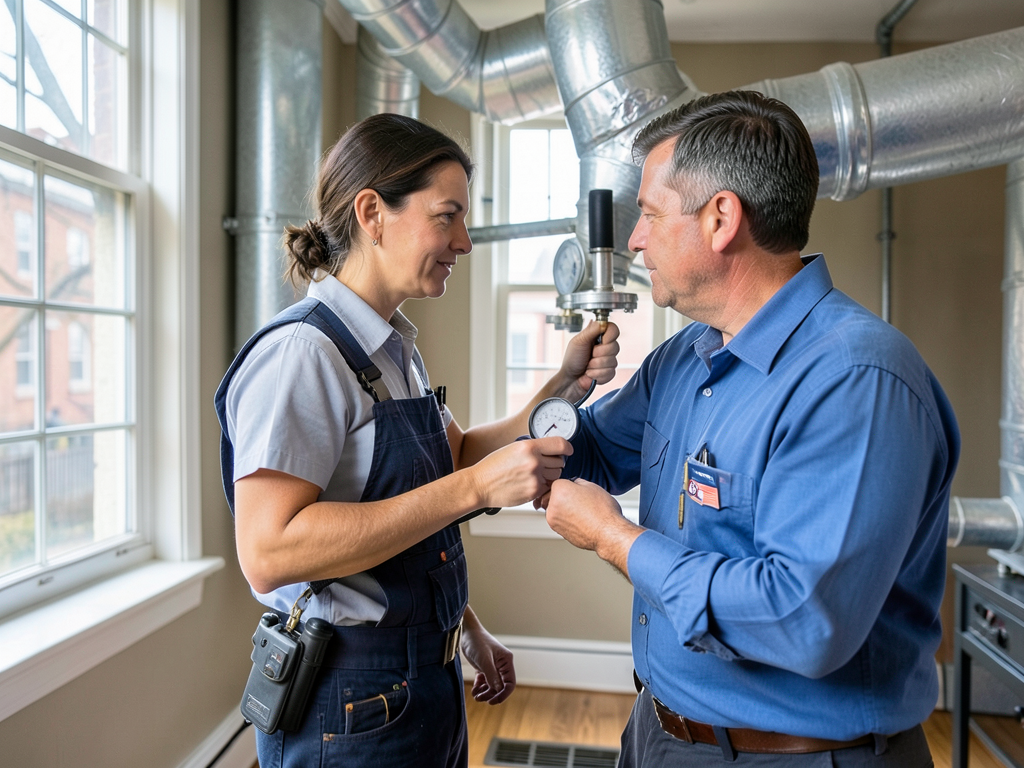
- Static pressure test using a manometer
- Duct leakage test with a duct blaster
- Airflow measurements at each register
- Equipment capacity verification
- Building envelope assessment
These diagnostic tests cost $200-400 but can prevent thousands in damage from improper zoning installations.
Making the Right Choice for Your SF Home
The decision between smart vents and professional zoning depends on several factors:
- Age and condition of your existing HVAC system
- Ductwork design and accessibility
- Local climate patterns in your specific neighborhood
- Your comfort priorities vs. energy efficiency goals
- Long-term plans for your home
For most San Francisco homes built before 1980, professional assessment is strongly recommended before installing any zoning solution.
Frequently Asked Questions
Will smart vents void my HVAC warranty?
Many manufacturers consider smart vents a modification that voids equipment warranties. Always check your warranty terms before installation.
How much do professional zoning systems cost?
Professional zoning for a typical San Francisco home ranges from $3,000-8,000 depending on system complexity and existing ductwork condition.
Can I install smart vents in just one room?
Single-room installations are less risky but still can cause pressure imbalances. Professional assessment is recommended even for limited installations.
Do smart vents work with heat pumps?
Heat pumps are particularly sensitive to static pressure changes. Smart vents can cause significant efficiency losses and potential equipment damage with heat pump systems.
What’s the best alternative to smart vents?
Professional zoning with proper pressure relief, duct sealing, and insulation improvements typically provides the best long-term solution for temperature imbalances.
Call (628) 201-6600 Today to Schedule Your HVAC Assessment
Don’t risk damaging your heating system with unproven smart vent technology. Our licensed HVAC technicians can evaluate your San Francisco home’s specific needs and recommend solutions that protect your investment while improving comfort.
We serve all San Francisco neighborhoods including Noe Valley, the Sunset, Richmond, and Pacific Heights. Our diagnostic testing identifies the root causes of temperature imbalances and provides data-driven recommendations.
Call (628) 201-6600 now to schedule your professional HVAC assessment. We’ll test your system’s static pressure, evaluate your ductwork, and provide honest recommendations based on your home’s unique characteristics and your comfort priorities.
Don’t wait until your blower motor fails or your energy bills skyrocket. Pick up the phone and call (628) 201-6600 before the next heat wave or cold snap hits San Francisco.
You may also find this helpful. Common Signs Your Old SF Apartment Building Needs a Major HVAC Overhaul.
{
“@context”: “https://schema.org”,
“@type”: “BlogPosting”,
“headline”: “Do Smart Vents Actually Work for Balancing Heat in Older San Francisco Homes?”,
“description”: “Are smart vents safe for your SF Victorian’s HVAC system? Learn the real risks, pressure issues, and why professional zoning beats DIY smart vents.”,
“wordCount”: 1467,
“datePublished”: “2026-04-09T12:44:00.000Z”,
“dateModified”: “2026-04-09T12:44:00.000Z”,
“inLanguage”: “en-US”,
“mainEntityOfPage”: {
“@type”: “WebPage”,
“@id”: “https://atlashvacsanfrancisco.com”
},
“publisher”: {
“@type”: “LocalBusiness”,
“name”: “Atlas HVAC San Francisco”,
“url”: “https://atlashvacsanfrancisco.com”
},
“author”: {
“@type”: “Organization”,
“name”: “Atlas HVAC San Francisco”,
“url”: “https://atlashvacsanfrancisco.com”
},
“image”: {
“@type”: “ImageObject”,
“url”: “https://atlashvacsanfrancisco.com/wp-content/uploads/2026/03/do-smart-vents-actually-work-for-balancing-heat-in-1.png”
}
}
{
“@context”: “https://schema.org”,
“@type”: “HVACBusiness”,
“name”: “Atlas HVAC San Francisco”,
“url”: “https://atlashvacsanfrancisco.com”,
“address”: {
“@type”: “PostalAddress”,
“addressLocality”: “San Francisco”
},
“areaServed”: {
“@type”: “City”,
“name”: “San Francisco”
}
}
{
“@context”: “https://schema.org”,
“@type”: “FAQPage”,
“mainEntity”: [
{
“@type”: “Question”,
“name”: “Will smart vents void my HVAC warranty?”,
“acceptedAnswer”: {
“@type”: “Answer”,
“text”: “Many manufacturers consider smart vents a modification that voids equipment warranties. Always check your warranty terms before installation.”
}
},
{
“@type”: “Question”,
“name”: “How much do professional zoning systems cost?”,
“acceptedAnswer”: {
“@type”: “Answer”,
“text”: “Professional zoning for a typical San Francisco home ranges from $3,000-8,000 depending on system complexity and existing ductwork condition.”
}
},
{
“@type”: “Question”,
“name”: “Can I install smart vents in just one room?”,
“acceptedAnswer”: {
“@type”: “Answer”,
“text”: “Single-room installations are less risky but still can cause pressure imbalances. Professional assessment is recommended even for limited installations.”
}
},
{
“@type”: “Question”,
“name”: “Do smart vents work with heat pumps?”,
“acceptedAnswer”: {
“@type”: “Answer”,
“text”: “Heat pumps are particularly sensitive to static pressure changes. Smart vents can cause significant efficiency losses and potential equipment damage with heat pump systems.”
}
},
{
“@type”: “Question”,
“name”: “What’s the best alternative to smart vents?”,
“acceptedAnswer”: {
“@type”: “Answer”,
“text”: “Professional zoning with proper pressure relief, duct sealing, and insulation improvements typically provides the best long-term solution for temperature imbalances.”
}
}
]
}
{
“@context”: “https://schema.org”,
“@type”: “BreadcrumbList”,
“itemListElement”: [
{
“@type”: “ListItem”,
“position”: 1,
“name”: “Home”,
“item”: “https://atlashvacsanfrancisco.com”
},
{
“@type”: “ListItem”,
“position”: 2,
“name”: “Blog”,
“item”: “https://atlashvacsanfrancisco.com/blog”
},
{
“@type”: “ListItem”,
“position”: 3,
“name”: “Do Smart Vents Actually Work for Balancing Heat in Older San Francisco Homes?”
}
]
}
{
“@context”: “https://schema.org”,
“@type”: “Service”,
“serviceType”: “HVAC”,
“provider”: {
“@type”: “LocalBusiness”,
“name”: “Atlas HVAC San Francisco”,
“url”: “https://atlashvacsanfrancisco.com”
},
“areaServed”: {
“@type”: “City”,
“name”: “San Francisco”
},
“description”: “Are smart vents safe for your SF Victorian’s HVAC system? Learn the real risks, pressure issues, and why professional zoning beats DIY smart vents.”
}