
How High Velocity HVAC Fits Into San Francisco Homes with No Duct Space
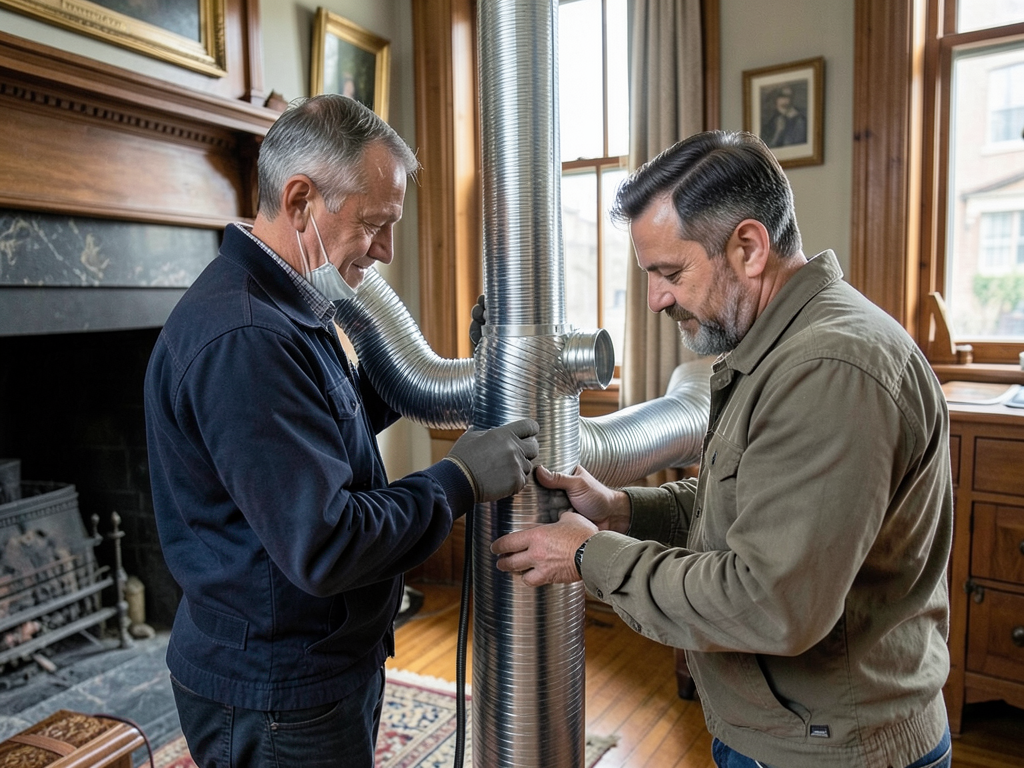
San Francisco’s historic Victorian and Edwardian homes were built before air conditioning existed. Their plaster walls and narrow floor plans make traditional ductwork installation nearly impossible without major demolition. High-velocity HVAC systems solve this exact problem by using 2-inch flexible ducts that snake through walls and ceilings with minimal disruption. San Francisco Department of Building Inspection.
These systems work through aspiration, creating a gentle circulation that cools rooms evenly without the drafts of conventional vents. For homeowners in Pacific Heights, Noe Valley, and the Richmond District, high-velocity HVAC means modern comfort without destroying historic character.. Read more about Creating a Dedicated Climate Zone for Your SOMA Loft Home Office.
Why High Velocity is the Standard for San Francisco Architecture
Traditional HVAC ductwork requires 6-8 inch metal ducts that need large chases and dropped ceilings. In San Francisco’s older homes, this means removing crown molding, cutting through lath-and-plaster walls, or sacrificing ceiling height in already compact rooms.
High-velocity systems use small-diameter flexible tubing that fits in 2×4 wall cavities and between floor joists. The tubing snakes through existing cavities, emerging through small 5-inch round outlets that blend with most architectural styles. This preserves original moldings and avoids the construction mess of traditional installations. The Best Way to Install Heat Pumps in Historic San Francisco Victorians.
The technology works particularly well in San Francisco’s climate. Our mild summers mean high-velocity systems don’t need to run as long as in hotter climates, making their slightly higher operating costs less significant. The aspiration principle also handles our marine layer humidity better than standard AC units.. Read more about Designing a Climate Controlled Wine Cellar for Your Pacific Heights Residence.
How Small-Duct High-Velocity (SDHV) Systems Work
High-velocity systems operate on aspiration, not just blowing cold air. The equipment produces air at 2,000 feet per minute through 2-inch ducts. When this high-speed air exits the small outlets, it creates a gentle circulation pattern that mixes room air without creating cold spots or drafts.
The principle works like this: high-velocity air creates a low-pressure area around the outlet. This pulls surrounding room air toward the outlet, mixing it with the conditioned air. The result is even temperature distribution without the hot and cold spots common in traditional systems.
The equipment includes a compact air handler that fits in attics, closets, or utility rooms. The outdoor condenser connects through refrigerant lines that run alongside the flexible ducts. Most installations need only 2-3 small wall penetrations for the main trunk lines.
Sound levels run 47-52 decibels at the outlet, comparable to a quiet refrigerator. The outlets can be painted to match walls or ceilings, and some models offer decorative faceplates for visible locations. Quiet and Efficient Furnace Replacement Options for Pacific Heights Residents.
Our Specialized Installation Process
Every high-velocity installation starts with a detailed heat load calculation using Manual J software. This determines the exact cooling capacity needed for each room based on square footage, window orientation, and insulation levels.. Read more about The Best Quiet Cooling Options for Lower Nob Hill Studio Apartments.
The process follows these steps:
- Load Calculation
We measure each room and input data into Manual J software to calculate exact cooling requirements. This prevents oversizing that leads to short cycling and poor humidity control. Short Cycling.
- Layout Design
Our technicians map the most efficient duct routes through existing wall cavities and floor joists. We mark all outlet locations to ensure even air distribution.
- Wall Preparation
We cut small access holes to feed the flexible tubing through walls. These holes are typically 3-4 inches and easily patched after installation.
- Equipment Installation
The air handler mounts in an attic or closet. We run the main trunk lines and connect the outdoor condenser through refrigerant lines and condensate drain.
- Outlet Placement
We install the small round outlets in final locations. Each outlet gets a damper for airflow adjustment and a decorative faceplate.
- System Testing
We test each outlet for proper airflow, check refrigerant levels, and verify temperature differentials meet manufacturer specifications.
Most installations complete in 3-5 days. The process creates minimal dust since we avoid demolition work. Homeowners can remain in the house during installation, though we recommend covering furniture near work areas.
High-Velocity Brands We Support: Unico vs. SpacePak
Two manufacturers dominate the high-velocity market: Unico and SpacePak. Both work well in San Francisco homes, but they have different strengths.
| Feature | Unico System | SpacePak |
|---|---|---|
| Outlet Options | Round and rectangular | Round only |
| Energy Efficiency | SEER2 up to 16 | SEER2 up to 15 |
| Humidity Control | Excellent | Very Good |
| Noise Level | 47-52 dB | 48-53 dB |
| Installation Flexibility | High | Medium |
| Cost Range | $12,000-$18,000 | $11,000-$17,000 |
Unico systems offer more outlet configurations and slightly better energy efficiency. Their rectangular outlets work well in tight spaces where round outlets won’t fit. SpacePak systems cost slightly less and have been in the market longer, with more contractor familiarity.
Both brands meet California Title 24 energy standards and qualify for local utility rebates. We help customers choose based on their specific home layout and budget. California Title 24 Energy Standards.
San Francisco HVAC Permits and Title 24 Compliance
High-velocity HVAC installations require permits from the San Francisco Department of Building Inspection. The process includes plan review, inspections, and compliance with Title 24 energy standards.
Title 24 mandates minimum SEER2 ratings and specific installation practices. For high-velocity systems, this means:
- Minimum SEER2 rating of 14 for cooling equipment
- Proper duct sealing to prevent air leakage
- Programmable thermostats with specific features
- Energy calculations showing compliance
The California Energy Commission enforces these standards. Non-compliant installations can result in fines and require costly retrofits. We handle all permitting and ensure every installation meets or exceeds Title 24 requirements.
San Francisco also has specific noise ordinances for outdoor equipment. Condensers must meet 60 decibel limits at property lines. We select equipment and install sound barriers to ensure compliance with these regulations.
Earthquake considerations affect installation too. All equipment must be properly anchored per California Building Code Section 1613. This prevents equipment movement during seismic events.
Frequently Asked Questions
How much does high-velocity HVAC cost in San Francisco?
Most installations range from $12,000 to $18,000 depending on home size and complexity. This includes equipment, installation, permits, and warranty. The cost is higher than traditional systems but avoids expensive demolition work.
Is high-velocity HVAC noisy?
Modern systems operate at 47-53 decibels, similar to a quiet conversation. The high air velocity creates some sound, but proper duct design and outlet placement minimize noise. Most homeowners find the sound level acceptable.
How does high-velocity compare to mini-split systems?
High-velocity provides whole-house cooling through small ducts while mini-splits use wall-mounted heads in each room. High-velocity offers better aesthetics for historic homes and more even temperature distribution. Mini-splits cost less but require multiple indoor units.
What maintenance do high-velocity systems need?
Annual maintenance includes filter replacement, coil cleaning, and system testing. The small ducts rarely need cleaning unless there are indoor air quality issues. We recommend professional maintenance every 1-2 years. Professional Commercial HVAC Maintenance for SOMA Office Buildings.
Can high-velocity systems heat as well as cool?
Yes, most high-velocity air handlers work with heat pump technology for both heating and cooling. This provides year-round comfort and qualifies for California heat pump incentives. Who to Call for 24 Hour Emergency Heating Repair in San Francisco.

Call (628) 201-6600 for Your High-Velocity HVAC Consultation
Don’t let your historic San Francisco home suffer through another summer without proper cooling. High-velocity HVAC provides modern comfort while preserving your home’s character and architectural details.
Our team understands the unique challenges of San Francisco’s older homes. We handle all permitting, ensure Title 24 compliance, and complete installations with minimal disruption to your daily life.
Call (628) 201-6600 today to schedule your free consultation. We’ll evaluate your home’s layout, discuss your cooling needs, and provide a detailed proposal with exact costs and timeline.
Pick up the phone and call (628) 201-6600 before the next heat wave hits. Your comfort and your home’s integrity matter to us.
You may also find this helpful. Deciding Between Radiant Floor Heating and Forced Air for Your Ingleside Remodel.
{
“@context”: “https://schema.org”,
“@type”: “BlogPosting”,
“headline”: “How High Velocity HVAC Fits Into San Francisco Homes with No Duct Space”,
“description”: “High-velocity HVAC systems solve San Francisco’s historic home cooling problem using 2-inch ducts and aspiration technology. Learn how SDHV systems fit Victorian and Edwardian homes without major construction.”,
“wordCount”: 1302,
“datePublished”: “2026-04-26T14:59:00.000Z”,
“dateModified”: “2026-04-26T14:59:00.000Z”,
“inLanguage”: “en-US”,
“mainEntityOfPage”: {
“@type”: “WebPage”,
“@id”: “https://atlashvacsanfrancisco.com”
},
“publisher”: {
“@type”: “LocalBusiness”,
“name”: “Atlas HVAC San Francisco”,
“url”: “https://atlashvacsanfrancisco.com”
},
“author”: {
“@type”: “Organization”,
“name”: “Atlas HVAC San Francisco”,
“url”: “https://atlashvacsanfrancisco.com”
},
“image”: {
“@type”: “ImageObject”,
“url”: “https://atlashvacsanfrancisco.com/wp-content/uploads/2026/03/how-high-velocity-hvac-fits-into-san-francisco-hom-1.png”
}
}
{
“@context”: “https://schema.org”,
“@type”: “HVACBusiness”,
“name”: “Atlas HVAC San Francisco”,
“url”: “https://atlashvacsanfrancisco.com”,
“address”: {
“@type”: “PostalAddress”,
“addressLocality”: “San Francisco”
},
“areaServed”: {
“@type”: “City”,
“name”: “San Francisco”
}
}
{
“@context”: “https://schema.org”,
“@type”: “FAQPage”,
“mainEntity”: [
{
“@type”: “Question”,
“name”: “How much does high-velocity HVAC cost in San Francisco?”,
“acceptedAnswer”: {
“@type”: “Answer”,
“text”: “Most installations range from $12,000 to $18,000 depending on home size and complexity. This includes equipment, installation, permits, and warranty. The cost is higher than traditional systems but avoids expensive demolition work.”
}
},
{
“@type”: “Question”,
“name”: “Is high-velocity HVAC noisy?”,
“acceptedAnswer”: {
“@type”: “Answer”,
“text”: “Modern systems operate at 47-53 decibels, similar to a quiet conversation. The high air velocity creates some sound, but proper duct design and outlet placement minimize noise. Most homeowners find the sound level acceptable.”
}
},
{
“@type”: “Question”,
“name”: “How does high-velocity compare to mini-split systems?”,
“acceptedAnswer”: {
“@type”: “Answer”,
“text”: “High-velocity provides whole-house cooling through small ducts while mini-splits use wall-mounted heads in each room. High-velocity offers better aesthetics for historic homes and more even temperature distribution. Mini-splits cost less but require multiple indoor units.”
}
},
{
“@type”: “Question”,
“name”: “What maintenance do high-velocity systems need?”,
“acceptedAnswer”: {
“@type”: “Answer”,
“text”: “Annual maintenance includes filter replacement, coil cleaning, and system testing. The small ducts rarely need cleaning unless there are indoor air quality issues. We recommend professional maintenance every 1-2 years. Professional Commercial HVAC Maintenance for SOMA Office Buildings.”
}
},
{
“@type”: “Question”,
“name”: “Can high-velocity systems heat as well as cool?”,
“acceptedAnswer”: {
“@type”: “Answer”,
“text”: “Yes, most high-velocity air handlers work with heat pump technology for both heating and cooling. This provides year-round comfort and qualifies for California heat pump incentives. Who to Call for 24 Hour Emergency Heating Repair in San Francisco.”
}
}
]
}
{
“@context”: “https://schema.org”,
“@type”: “HowTo”,
“name”: “High-Velocity HVAC Installation Process”,
“step”: [
{
“@type”: “HowToStep”,
“position”: 1,
“name”: “Load Calculation”,
“text”: “We measure each room and input data into Manual J software to calculate exact cooling requirements. This prevents oversizing that leads to short cycling and poor humidity control. Short Cycling.”
},
{
“@type”: “HowToStep”,
“position”: 2,
“name”: “Layout Design”,
“text”: “Our technicians map the most efficient duct routes through existing wall cavities and floor joists. We mark all outlet locations to ensure even air distribution.”
},
{
“@type”: “HowToStep”,
“position”: 3,
“name”: “Wall Preparation”,
“text”: “We cut small access holes to feed the flexible tubing through walls. These holes are typically 3-4 inches and easily patched after installation.”
},
{
“@type”: “HowToStep”,
“position”: 4,
“name”: “Equipment Installation”,
“text”: “The air handler mounts in an attic or closet. We run the main trunk lines and connect the outdoor condenser through refrigerant lines and condensate drain.”
},
{
“@type”: “HowToStep”,
“position”: 5,
“name”: “Outlet Placement”,
“text”: “We install the small round outlets in final locations. Each outlet gets a damper for airflow adjustment and a decorative faceplate.”
},
{
“@type”: “HowToStep”,
“position”: 6,
“name”: “System Testing”,
“text”: “We test each outlet for proper airflow, check refrigerant levels, and verify temperature differentials meet manufacturer specifications.”
}
],
“image”: “https://atlashvacsanfrancisco.com/wp-content/uploads/2026/03/how-high-velocity-hvac-fits-into-san-francisco-hom-1.png”
}
{
“@context”: “https://schema.org”,
“@type”: “BreadcrumbList”,
“itemListElement”: [
{
“@type”: “ListItem”,
“position”: 1,
“name”: “Home”,
“item”: “https://atlashvacsanfrancisco.com”
},
{
“@type”: “ListItem”,
“position”: 2,
“name”: “Blog”,
“item”: “https://atlashvacsanfrancisco.com/blog”
},
{
“@type”: “ListItem”,
“position”: 3,
“name”: “How High Velocity HVAC Fits Into San Francisco Homes with No Duct Space”
}
]
}
{
“@context”: “https://schema.org”,
“@type”: “Service”,
“serviceType”: “HVAC”,
“provider”: {
“@type”: “LocalBusiness”,
“name”: “Atlas HVAC San Francisco”,
“url”: “https://atlashvacsanfrancisco.com”
},
“areaServed”: {
“@type”: “City”,
“name”: “San Francisco”
},
“description”: “High-velocity HVAC systems solve San Francisco’s historic home cooling problem using 2-inch ducts and aspiration technology. Learn how SDHV systems fit Victorian and Edwardian homes without major construction.”
}