
How to Install Modern Air Filtration Without Ruuling Your Lake Street Heritage Home
Installing modern air filtration in a Lake Street heritage home requires balancing 21st-century air quality needs with 19th-century architectural preservation. San Francisco’s Victorian and Edwardian homes along Lake Street feature lath and plaster walls, original crown molding, and no existing ductwork. These homes face unique challenges from wildfire smoke PM2.5 and coastal humidity that generic filtration guides never address. San Francisco Residential Design Guidelines.
Modern HEPA and MERV-13 filtration systems can protect your family from urban pollutants and wildfire smoke without destroying your home’s character. The key lies in understanding San Francisco’s specific building constraints and choosing preservation-friendly installation methods that keep your historic details intact. EPA MERV Rating Guide.
The Challenges of Retrofitting Historic Lake Street Properties
Lake Street’s historic homes built before 1940 present three major obstacles for air filtration installation. First, lath and plaster walls cannot support the weight of traditional duct systems without extensive reinforcement. Second, many homes lack attics or basements where equipment could be hidden. Third, San Francisco’s Historic Preservation Commission requires permits for any exterior modifications that alter a building’s original appearance. The Best Way to Install Heat Pumps in Historic San Francisco Victorians.
Victorian homes along Lake Street often feature balloon-frame construction with open wall cavities that complicate duct routing. Edwardian properties typically have narrower lot widths, limiting equipment placement options. Both styles commonly use gravity furnaces that cannot accommodate modern high-static pressure filters without risking system damage.. Read more about Improving Air Quality in Glen Park Homes Surrounded by Dense Trees and Pollen.
San Francisco Building Code Section 1504.2 specifically addresses HVAC modifications in historic districts, requiring preservation of exterior architectural features. This means condenser units must be placed where they remain invisible from public streets, often forcing creative solutions in already cramped side yards.. Read more about How High Velocity HVAC Fits Into San Francisco Homes with No Duct Space.
Advanced Filtration Options for Historic Homes
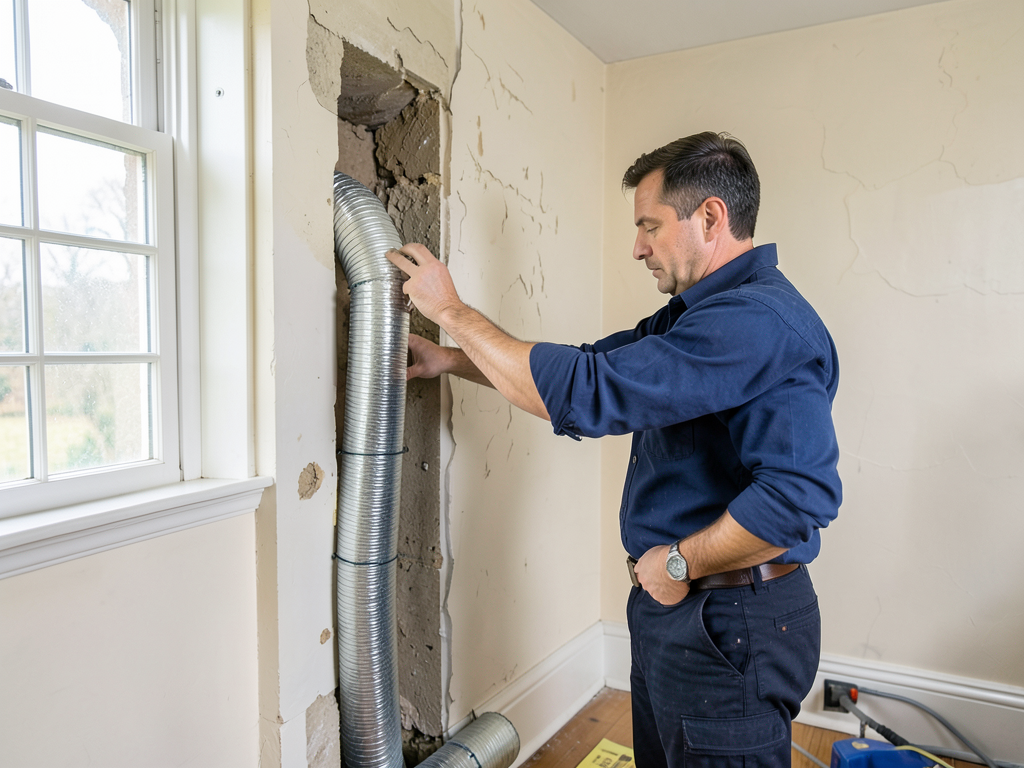
High-velocity small duct systems offer the best solution for Lake Street homes. These systems use 2-inch flexible tubing that snakes through existing wall cavities without removing plaster. The Unico System and SpacePak brands specifically design for historic retrofits, with equipment that fits in closets as small as 18 inches wide.
Ductless mini-split systems with HEPA filtration provide another preservation-friendly option. These wall-mounted units require only a 3-inch hole for refrigerant lines, preserving plaster walls completely. Modern mini-splits achieve MERV-16 equivalent filtration, capturing 99.97% of particles down to 0.3 microns.
Standalone HEPA air purifiers work for homeowners unwilling to modify any structure. These portable units filter rooms individually, though they cannot provide whole-house coverage. For Lake Street’s 2,000+ square foot Victorians, you would need 3-4 units to achieve adequate air changes per hour.. Read more about Whole House Air Scrubber vs HEPA Filter (Which is Better for San Francisco Smog).
Carbon filtration layers remove urban VOCs and cooking odors common in San Francisco’s dense neighborhoods. Activated carbon filters trap formaldehyde, benzene, and other chemicals that standard MERV filters miss. This becomes critical during winter when homes seal tightly against coastal fog.
The ‘Invisible Installation’ Approach
Invisible installation means the filtration system disappears into your home’s existing architecture. Return air grilles can be custom-finished to match original floor grates or wall registers. Modern high-velocity outlets come in brass, bronze, and painted finishes that complement Victorian hardware.
Equipment placement requires careful planning. Attic installations work only if your home has a usable attic space with adequate clearance. Most Lake Street Victorians feature shallow attics with diagonal bracing that prevents equipment installation. Closet locations often become the only viable option.. Read more about How We Handle Difficult HVAC Installations for Steep Telegraph Hill Properties.
Thermostat placement affects both aesthetics and function. Original Victorian homes had no central heating controls, so modern thermostats must be placed where they don’t damage original woodwork. Wireless smart thermostats eliminate wiring through walls, preserving plaster integrity completely. Who to Call for 24 Hour Emergency Heating Repair in San Francisco.
Noise control becomes critical in historic homes with thin walls and hardwood floors. Modern high-velocity systems operate at 35-45 decibels, comparable to a library. Proper vibration isolation prevents equipment noise from traveling through original wood framing.
San Francisco Climate Specifics: Managing PM2.5 and Humidity
Lake Street’s proximity to Golden Gate Park and the Pacific Ocean creates unique air quality challenges. Coastal fog carries salt particles that corrode standard aluminum filter frames. Wildfire smoke from Marin County and the North Bay penetrates even well-sealed historic windows during autumn Santa Ana wind events.
PM2.5 particles measure 2.5 microns or smaller and represent the greatest health risk from wildfire smoke. Standard MERV-8 filters capture only 20% of these particles. MERV-13 filters capture 75%, while HEPA filters achieve 99.97% efficiency. For Lake Street’s wildfire vulnerability, MERV-13 provides the minimum acceptable protection.
Coastal humidity levels average 75-85% year-round, promoting mold growth in poorly ventilated spaces. Historic homes lack modern vapor barriers, making dehumidification essential. High-velocity systems include built-in dehumidification that removes 3-5 pints of moisture per hour, preventing mold behind walls where you cannot see it developing.
San Francisco’s Building Department requires permits for any system modifying exterior walls or roofs. Permit processing averages 4-6 weeks for historic properties, longer than standard residential permits. The Historic Preservation Commission reviews all exterior modifications, often requiring multiple submittals before approval.
Case Study: Lake Street Victorian Filtration Upgrade
A 1908 Edwardian on Lake Street between 23rd and 24th Avenues demonstrates successful preservation-friendly filtration. The home featured original plaster walls, pocket doors, and no existing ductwork. The homeowner suffered severe allergies and wanted wildfire smoke protection without damaging historic details.
The solution involved a Unico high-velocity system with HEPA filtration. Installation required removing only one section of baseboard to run tubing through the wall cavity. The outdoor condenser unit fit in a side yard behind existing shrubbery, remaining invisible from the street. Custom return grilles matched the home’s original brass hardware.
Static pressure testing proved critical. The home’s original gravity furnace blower could not handle HEPA filters’ high resistance. The high-velocity system uses a separate air handler with a variable-speed ECM motor that maintains proper airflow regardless of filter loading.
Post-installation testing showed PM2.5 levels dropping from 45 μg/m³ during wildfire events to below 5 μg/m³ indoors. Humidity control prevented condensation on original single-pane windows during foggy mornings. The homeowner reported immediate allergy symptom reduction and improved sleep quality.
San Francisco Building Permit Requirements
San Francisco requires building permits for any HVAC system modification affecting structural elements. Historic properties need additional Historic Preservation Commission approval for exterior work. Permit fees average $500-800 depending on project scope, with processing times extending 6-8 weeks for historic reviews.
Electrical upgrades often accompany filtration installations. Many Lake Street homes have 60-amp service inadequate for modern HVAC equipment. Electrical Panel upgrades to 100 or 200 amps require separate permits and inspections. PG&E must approve service increases, adding another 2-3 weeks to project timelines.
Noise ordinances affect condenser placement. San Francisco Municipal Code Section 2907 limits outdoor equipment noise to 45 decibels at property lines between 10 PM and 7 AM. Condenser units must be positioned away from bedroom windows and often require sound barriers or fencing.
Seismic anchoring requirements affect all equipment installations. California Building Code Section 1613.7 mandates earthquake bracing for all HVAC equipment over 50 pounds. This involves securing equipment to structural framing rather than just floor mounting, preventing equipment movement during seismic events.
Cost-Benefit Analysis of High-Efficiency Filtration
High-velocity HEPA systems cost $15,000-25,000 for typical Lake Street homes, compared to $8,000-12,000 for standard systems. The premium reflects specialized equipment, longer installation times, and permit costs. However, energy savings often offset the initial premium within 5-7 years.
Operating costs decrease with high-efficiency systems. Modern ECM motors use 30-50% less electricity than standard PSC motors. HEPA filters last 12-18 months versus 3 months for standard filters, reducing replacement frequency and disposal costs.
Health cost savings provide the strongest justification. Reduced allergy medication needs, fewer sick days, and improved respiratory health create tangible financial benefits. For families with asthma or severe allergies, these systems often pay for themselves through medical cost reduction within 3-4 years.
Property value impacts favor high-efficiency installations. Energy-efficient homes command 3-5% price premiums in San Francisco’s competitive market. Preservation-friendly installations maintain historic character, appealing to buyers who value both modern comfort and architectural authenticity. Quiet and Efficient Furnace Replacement Options for Pacific Heights Residents.
Maintenance Requirements for Historic Home Filtration
High-efficiency filters require monthly inspection but annual replacement. MERV-13 filters trap more particles, loading faster than standard filters. During wildfire season, filters may need replacement every 6-8 weeks instead of annually. Filter pressure drop should not exceed 0.5 inches water column to maintain proper airflow.
Coil cleaning becomes more critical with high-efficiency filtration. Trapped particles accumulate on indoor coils, reducing heat transfer efficiency by up to 30%. Annual professional coil cleaning prevents system performance degradation and maintains energy efficiency. Professional Commercial HVAC Maintenance for SOMA Office Buildings.
UV light sterilization prevents biological growth in humid coastal environments. UV-C lamps installed in air handlers kill mold, bacteria, and viruses that pass through filters. Lamps require replacement every 12 months as UV output degrades over time.
System balancing ensures even airflow throughout historic homes with irregular room layouts. Manual damper adjustment and airflow measurement verify each room receives proper ventilation. Imbalanced systems create hot and cold spots, reducing comfort and efficiency.
Common Mistakes to Avoid
Oversizing systems causes short cycling and poor humidity control. Many contractors install standard residential equipment without considering historic home characteristics. Proper Manual J calculations specific to your home’s construction ensure correct sizing for both heating and cooling loads. Short Cycling.
Ignoring static pressure limitations damages aging equipment. Victorian homes often retain original furnaces with blowers not designed for modern high-efficiency filters. Installing HEPA filters on these systems reduces airflow, causing overheating and premature equipment failure.. Read more about Using UV Germicidal Lights to Kill Bacteria and Viruses in Your Home Air.
Improper return air placement creates pressure imbalances. Historic homes lack modern return air pathways, forcing air through unintended routes like chimneys or wall cavities. This can pull in attic dust or crawl space contaminants, defeating filtration benefits.
DIY installation violates building codes and insurance requirements. San Francisco requires licensed HVAC contractors for all system installations. Unpermitted work can void homeowner’s insurance and create liability issues if system failures cause property damage.
Future-Proofing Your Historic Home
Electrification trends affect future HVAC choices. San Francisco’s building electrification mandates phase out natural gas heating by 2030. High-velocity systems accommodate heat pump conversions without major modifications, protecting your investment against code changes.
Smart home integration enhances filtration effectiveness. Modern systems connect to air quality monitors that automatically increase filtration during high pollution events. Smartphone apps allow remote monitoring and control, providing peace of mind when wildfire smoke threatens.
Energy storage compatibility prepares for power outages. Battery backup systems keep critical filtration running during PG&E Public Safety Power Shutoffs. High-efficiency systems consume less power, requiring smaller battery banks for extended operation.
Scalability matters for future home additions. High-velocity systems allow easy zoning additions without major ductwork modifications. This flexibility proves valuable as Lake Street homeowners expand or remodel historic properties.
Frequently Asked Questions
Can I install modern air filtration without damaging my historic plaster walls?
Yes. High-velocity systems use 2-inch flexible tubing that routes through existing wall cavities without removing plaster. Mini-split systems require only a 3-inch hole for refrigerant lines. Both methods preserve original wall finishes completely.
What MERV rating works best for San Francisco’s wildfire smoke?
MERV-13 provides the minimum protection for wildfire smoke, capturing 75% of PM2.5 particles. HEPA filters achieve 99.97% efficiency but may require system modifications for proper airflow. Your specific home’s blower capacity determines the highest MERV rating your system can support.
How long do permits take for historic home HVAC upgrades?
Standard permits process in 2-3 weeks. Historic properties require additional Historic Preservation Commission review, extending timelines to 6-8 weeks. Electrical upgrades add another 2-3 weeks for PG&E service approval. Plan projects accordingly to avoid weather-related delays.
Will modern filtration systems increase my energy bills?
High-efficiency systems often reduce energy costs despite higher filter resistance. Modern ECM motors use 30-50% less electricity than standard motors. Proper system sizing and installation ensure energy savings offset any increased filter resistance costs.
How do I maintain proper humidity without damaging historic woodwork?
High-velocity systems include built-in dehumidification that removes excess moisture without overcooling. Set humidity targets between 40-50% to prevent wood warping while controlling mold growth. Regular maintenance ensures proper system operation and humidity control.
- Assess Your Home’s Structure
Have a professional evaluate your home’s construction, existing HVAC equipment, and electrical service capacity. This determines which filtration options work without structural modifications.
- Choose Preservation-Friendly Equipment
Select high-velocity or ductless mini-split systems designed for historic retrofits. These minimize wall penetrations and preserve original architectural details.
- Obtain Required Permits
Submit building permit applications and Historic Preservation Commission drawings. Include electrical upgrade plans if your service requires modernization.
- Plan Equipment Placement
Position outdoor units where they remain invisible from public streets. Locate indoor equipment in closets or existing mechanical spaces to avoid new construction.
- Install with Preservation in Mind
Use specialized tools and techniques that protect plaster walls and original woodwork. Custom finishes should match existing hardware and architectural details.
- Test and Balance the System
Verify proper airflow, humidity control, and filtration efficiency. Adjust dampers and settings to ensure even comfort throughout your historic home.
Modern air filtration can protect your Lake Street heritage home from San Francisco’s air quality challenges without destroying its historic character. The key lies in choosing preservation-friendly systems, obtaining proper permits, and working with contractors experienced in historic home retrofits.
Don’t wait until wildfire season or allergy season forces you into a rushed decision. Proper planning and professional installation ensure your historic home stays healthy and beautiful for generations to come.
Ready to breathe easier in your historic Lake Street home? Call (628) 201-6600 today to schedule your free consultation. Our preservation-certified technicians understand the unique challenges of San Francisco’s historic architecture and can recommend the perfect filtration solution for your specific home.
{
“@context”: “https://schema.org”,
“@type”: “BlogPosting”,
“headline”: “How to Install Modern Air Filtration Without Ruining Your Lake Street Heritage Home”,
“description”: “Expert guide to installing modern air filtration in San Francisco’s historic Lake Street homes without damaging Victorian architecture or violating preservation codes.”,
“wordCount”: 2285,
“datePublished”: “2026-04-11T09:32:00.000Z”,
“dateModified”: “2026-04-11T09:32:00.000Z”,
“inLanguage”: “en-US”,
“mainEntityOfPage”: {
“@type”: “WebPage”,
“@id”: “https://atlashvacsanfrancisco.com”
},
“publisher”: {
“@type”: “LocalBusiness”,
“name”: “Atlas HVAC San Francisco”,
“url”: “https://atlashvacsanfrancisco.com”
},
“author”: {
“@type”: “Organization”,
“name”: “Atlas HVAC San Francisco”,
“url”: “https://atlashvacsanfrancisco.com”
},
“image”: {
“@type”: “ImageObject”,
“url”: “https://atlashvacsanfrancisco.com/wp-content/uploads/2026/03/how-to-install-modern-air-filtration-without-ruini-1.png”
}
}
{
“@context”: “https://schema.org”,
“@type”: “HVACBusiness”,
“name”: “Atlas HVAC San Francisco”,
“url”: “https://atlashvacsanfrancisco.com”,
“address”: {
“@type”: “PostalAddress”,
“addressLocality”: “San Francisco”
},
“areaServed”: {
“@type”: “City”,
“name”: “San Francisco”
}
}
{
“@context”: “https://schema.org”,
“@type”: “FAQPage”,
“mainEntity”: [
{
“@type”: “Question”,
“name”: “Can I install modern air filtration without damaging my historic plaster walls?”,
“acceptedAnswer”: {
“@type”: “Answer”,
“text”: “Yes. High-velocity systems use 2-inch flexible tubing that routes through existing wall cavities without removing plaster. Mini-split systems require only a 3-inch hole for refrigerant lines. Both methods preserve original wall finishes completely.”
}
},
{
“@type”: “Question”,
“name”: “What MERV rating works best for San Francisco’s wildfire smoke?”,
“acceptedAnswer”: {
“@type”: “Answer”,
“text”: “MERV-13 provides the minimum protection for wildfire smoke, capturing 75% of PM2.5 particles. HEPA filters achieve 99.97% efficiency but may require system modifications for proper airflow. Your specific home’s blower capacity determines the highest MERV rating your system can support.”
}
},
{
“@type”: “Question”,
“name”: “How long do permits take for historic home HVAC upgrades?”,
“acceptedAnswer”: {
“@type”: “Answer”,
“text”: “Standard permits process in 2-3 weeks. Historic properties require additional Historic Preservation Commission review, extending timelines to 6-8 weeks. Electrical upgrades add another 2-3 weeks for PG&E service approval. Plan projects accordingly to avoid weather-related delays.”
}
},
{
“@type”: “Question”,
“name”: “Will modern filtration systems increase my energy bills?”,
“acceptedAnswer”: {
“@type”: “Answer”,
“text”: “High-efficiency systems often reduce energy costs despite higher filter resistance. Modern ECM motors use 30-50% less electricity than standard motors. Proper system sizing and installation ensure energy savings offset any increased filter resistance costs.”
}
},
{
“@type”: “Question”,
“name”: “How do I maintain proper humidity without damaging historic woodwork?”,
“acceptedAnswer”: {
“@type”: “Answer”,
“text”: “High-velocity systems include built-in dehumidification that removes excess moisture without overcooling. Set humidity targets between 40-50% to prevent wood warping while controlling mold growth. Regular maintenance ensures proper system operation and humidity control.”
}
}
]
}
{
“@context”: “https://schema.org”,
“@type”: “HowTo”,
“name”: “How to Install Modern Air Filtration Without Ruuling Your Lake Street Heritage Home”,
“step”: [
{
“@type”: “HowToStep”,
“position”: 1,
“name”: “Assess Your Home’s Structure”,
“text”: “Have a professional evaluate your home’s construction, existing HVAC equipment, and electrical service capacity. This determines which filtration options work without structural modifications.”
},
{
“@type”: “HowToStep”,
“position”: 2,
“name”: “Choose Preservation-Friendly Equipment”,
“text”: “Select high-velocity or ductless mini-split systems designed for historic retrofits. These minimize wall penetrations and preserve original architectural details.”
},
{
“@type”: “HowToStep”,
“position”: 3,
“name”: “Obtain Required Permits”,
“text”: “Submit building permit applications and Historic Preservation Commission drawings. Include electrical upgrade plans if your service requires modernization.”
},
{
“@type”: “HowToStep”,
“position”: 4,
“name”: “Plan Equipment Placement”,
“text”: “Position outdoor units where they remain invisible from public streets. Locate indoor equipment in closets or existing mechanical spaces to avoid new construction.”
},
{
“@type”: “HowToStep”,
“position”: 5,
“name”: “Install with Preservation in Mind”,
“text”: “Use specialized tools and techniques that protect plaster walls and original woodwork. Custom finishes should match existing hardware and architectural details.”
},
{
“@type”: “HowToStep”,
“position”: 6,
“name”: “Test and Balance the System”,
“text”: “Verify proper airflow, humidity control, and filtration efficiency. Adjust dampers and settings to ensure even comfort throughout your historic home.”
}
],
“image”: “https://atlashvacsanfrancisco.com/wp-content/uploads/2026/03/how-to-install-modern-air-filtration-without-ruini-1.png”
}
{
“@context”: “https://schema.org”,
“@type”: “BreadcrumbList”,
“itemListElement”: [
{
“@type”: “ListItem”,
“position”: 1,
“name”: “Home”,
“item”: “https://atlashvacsanfrancisco.com”
},
{
“@type”: “ListItem”,
“position”: 2,
“name”: “Blog”,
“item”: “https://atlashvacsanfrancisco.com/blog”
},
{
“@type”: “ListItem”,
“position”: 3,
“name”: “How to Install Modern Air Filtration Without Ruining Your Lake Street Heritage Home”
}
]
}
{
“@context”: “https://schema.org”,
“@type”: “Service”,
“serviceType”: “HVAC”,
“provider”: {
“@type”: “LocalBusiness”,
“name”: “Atlas HVAC San Francisco”,
“url”: “https://atlashvacsanfrancisco.com”
},
“areaServed”: {
“@type”: “City”,
“name”: “San Francisco”
},
“description”: “Expert guide to installing modern air filtration in San Francisco’s historic Lake Street homes without damaging Victorian architecture or violating preservation codes.”
}