
Mini Split vs Through the Wall AC for Tiny San Francisco In Law Units
Choosing the right cooling system for a tiny San Francisco in-law unit means balancing space constraints energy efficiency and local building codes. Ductless mini-splits deliver zoned cooling with high SEER2 ratings and minimal wall penetration while through-the-wall units offer a lower upfront cost but sacrifice efficiency and flexibility. Both must comply with California Title 24 energy standards and San Francisco’s strict permit requirements. For 400-800 square foot ADUs mini-splits typically provide better long-term comfort and lower utility bills though through-the-wall units remain viable for budget-conscious projects with simple cooling needs. California Title 24.
Why ADU Cooling Requires a Specialized Approach
Accessory dwelling units in San Francisco face unique challenges. Many are converted garages or attic spaces with limited wall space and no existing ductwork. The city’s dense housing stock means outdoor condenser placement must avoid blocking light and air for neighbors. Fog and cool marine layers can make over-cooling a real risk in coastal zones like the Sunset District. Energy compliance under Title 24 means every system must meet minimum SEER2 efficiency ratings and often include programmable controls. These factors drive the need for compact efficient and permit-friendly cooling solutions. San Francisco Department of Building Inspection.
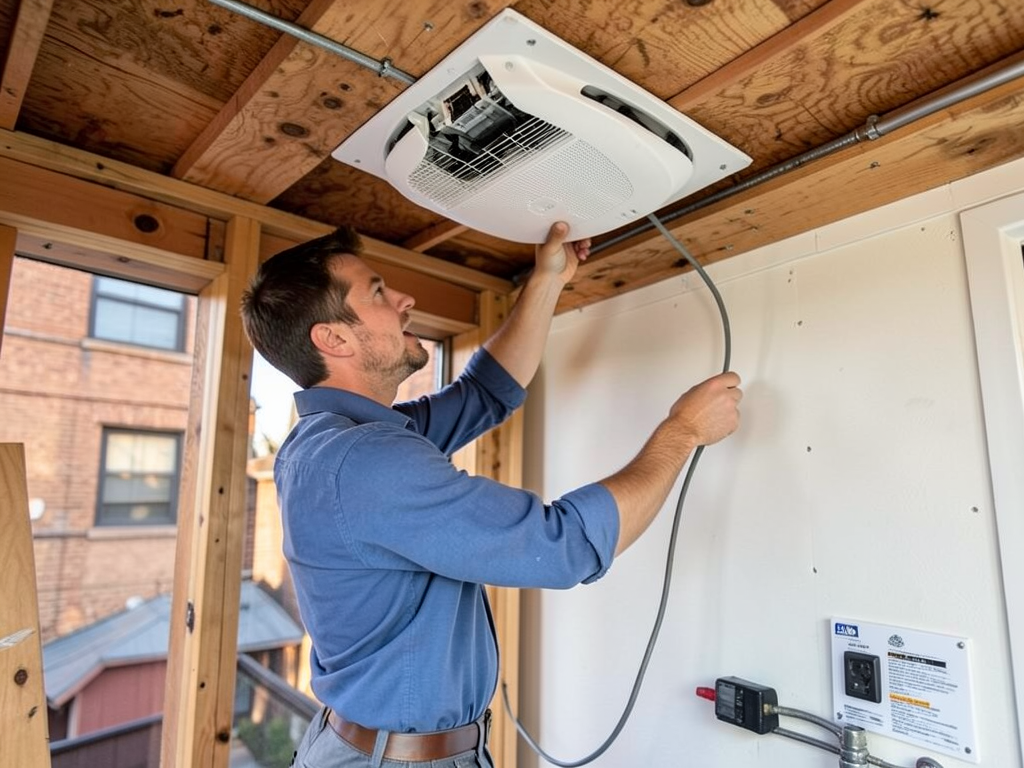
Diagram showing wall penetration differences between a ductless mini-split head and a through-the-wall AC sleeve.
Top 3 Cooling Options for SF In-Law Units
Ductless mini-splits dominate the market for small-space cooling in San Francisco. These systems use an outdoor condenser connected to one or more indoor heads via refrigerant lines eliminating the need for bulky ductwork. Heat pumps add heating capability making them a year-round solution. Through-the-wall ACs install in a single sleeve and vent directly outside requiring less invasive installation. Packaged terminal air conditioners (PTACs) offer another budget-friendly option but are louder and less efficient. Each has trade-offs in cost noise and energy use that matter in tight urban lots. The Best Way to Install Heat Pumps in Historic San Francisco Victorians.
Navigating Title 24 and SF Building Permits
California Title 24 mandates minimum SEER2 ratings for new cooling equipment. In San Francisco any wall penetration for an AC unit triggers a building permit even for small in-law units. The San Francisco Department of Building Inspection enforces strict rules on condenser placement to prevent shading adjacent properties and maintain neighborhood aesthetics. Electrical upgrades may be required if your ADU’s panel cannot handle the new load. Noise ordinances limit outdoor unit decibel levels during certain hours. Skipping permits can result in fines and forced removal of the equipment.. Read more about Dealing with HVAC Vibration Noise in Shared Wall Condos and Apartments.
Sizing Your Unit: BTU Requirements for 400-1000 Sq Ft
BTU sizing depends on square footage ceiling height insulation and sun exposure. For a 400-square-foot ADU with average insulation 9000 BTUs usually suffice. A 600-square-foot space may need 12000 BTUs. Larger 800-1000 square foot units often require 15000-18000 BTUs. Coastal locations like the Sunset benefit from slightly lower capacity due to cooler ambient temperatures. Oversizing leads to short cycling higher humidity and wasted energy. Undersizing causes the unit to run continuously without reaching set points. Always perform a Manual J load calculation for accuracy. Short Cycling.
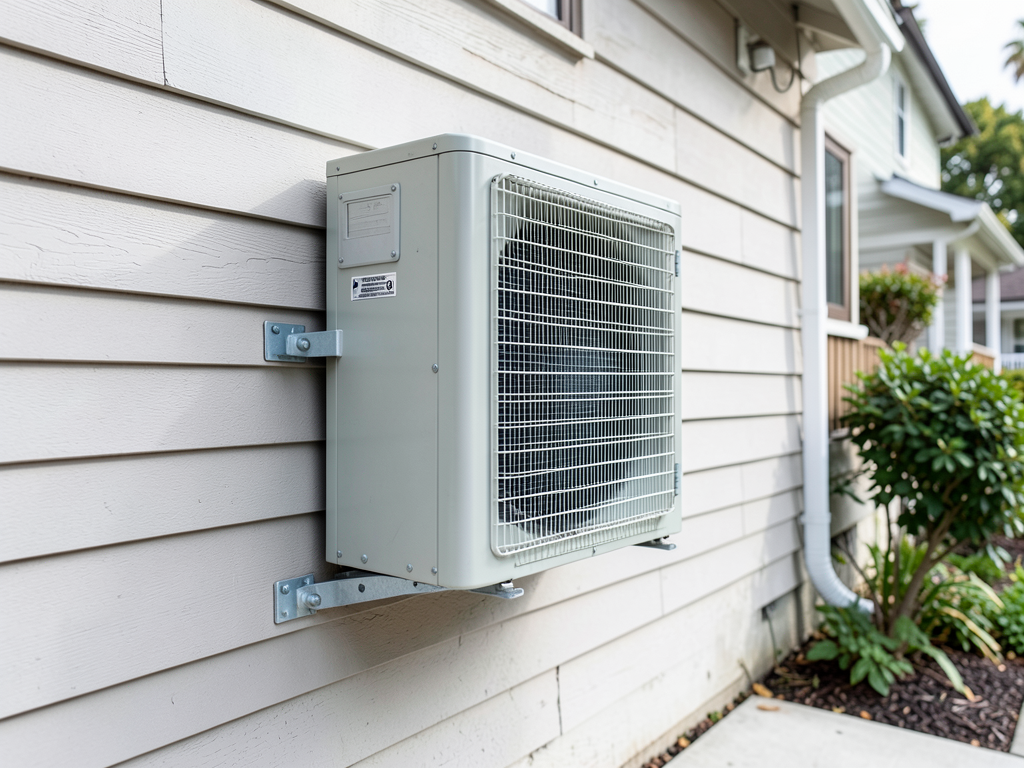
Technician using a digital manometer to verify refrigerant charge on a mini-split condenser during commissioning.
The Cost of Installing AC in a San Francisco ADU
Installation costs vary widely based on equipment choice and complexity. A ductless mini-split system with one indoor head ranges from $3500 to $5500 installed including permits and electrical work. Through-the-wall units cost $1800 to $2800 installed with lower labor due to simpler mounting. PTACs fall in the $2000 to $3500 range but have higher operating costs. Permit fees in San Francisco typically add $300 to $600. Electrical panel upgrades if needed can push total costs above $6000. High-efficiency units with inverter compressors cost more upfront but save 20-30 percent on utility bills.. Read more about How to Hide Ugly HVAC Vents and Units in Your San Francisco Interior Design.
Installation Considerations for Tiny Spaces
Wall space is at a premium in tiny ADUs. Mini-split indoor heads can mount high on walls or recess into ceilings to preserve floor area. Condensers need at least 12 inches of clearance from walls and should avoid direct sun exposure when possible. Through-the-wall units require a sturdy sleeve and proper flashing to prevent air leaks. In seismically active areas all outdoor equipment must be anchored to resist movement during earthquakes. Historic districts may limit visible equipment or require custom finishes to match existing architecture.. Read more about The Best Way to Use Window AC Units Safely in Older Polk Gulch Apartments.
Energy Efficiency and Operating Costs
SEER2 ratings directly impact monthly utility bills. Mini-splits with inverter technology adjust compressor speed to match cooling demand often achieving SEER2 ratings above 20. Through-the-wall units typically rate between 10 and 13 SEER2. Over a five-year period the efficiency gap can mean $200 to $400 in annual savings for a mini-split. Heat pumps also provide heating potentially eliminating the need for a separate furnace and further reducing energy use. Look for Energy Star certification to ensure compliance with Title 24 and qualify for local rebates. Who to Call for 24 Hour Emergency Heating Repair in San Francisco.
Noise Levels and Comfort
Noise can be a deal-breaker in small living spaces. Mini-split indoor heads operate as low as 19 decibels quieter than a whisper. Through-the-wall units often produce 50-60 decibels at the compressor similar to a normal conversation. Outdoor condensers for mini-splits must meet San Francisco’s noise ordinances typically requiring sound blankets or strategic placement behind barriers. PTACs tend to be the loudest option with both indoor and outdoor components generating noticeable hum. For light sleepers or home offices low-noise operation is a critical factor. Quiet and Efficient Furnace Replacement Options for Pacific Heights Residents.
Maintenance and Longevity
Both systems require annual maintenance to maintain efficiency. Mini-splits need filter cleaning every one to three months and periodic coil cleaning. Through-the-wall units require similar care but have more accessible filters. Condenser coils should be inspected for debris and bent fins straightened to ensure proper airflow. In San Francisco’s foggy climate corrosion protection for outdoor components is essential. With proper care mini-splits last 15-20 years while through-the-wall units often need replacement after 10-12 years due to seal degradation and refrigerant leaks.. Read more about Why Ceiling Cassette Mini Splits are the Best Choice for Modern San Francisco Renovations.
Rebates and Incentives
BayREN (Bay Area Regional Energy Network) offers rebates for high-efficiency heat pump installations in existing homes and new construction. The California Energy Commission provides additional incentives for systems meeting Title 24 Tier 2 standards. Some San Francisco neighborhoods qualify for extra rebates through local utility programs. Federal tax credits may apply to heat pumps meeting ENERGY STAR criteria. These programs can offset 10-30 percent of equipment costs making high-efficiency options more affordable. Always verify current rebate availability before purchasing as programs change annually. BayREN Rebates.
Choosing the Right System for Your ADU
Budget space and usage patterns determine the best fit. If upfront cost is the main concern and cooling demand is modest a through-the-wall unit works. For year-round comfort energy savings and quiet operation a mini-split heat pump is the superior choice. PTACs suit temporary or rental situations where low initial investment matters more than efficiency. Consider future plans: if you might expand the ADU or add rooms a multi-zone mini-split offers flexibility. Always consult a licensed HVAC contractor familiar with San Francisco’s permitting process before making a final decision.. Read more about What to Do When Your San Francisco Home Has No Room for Traditional Ductwork.
Frequently Asked Questions
Do I need a permit to install a through-the-wall AC in San Francisco?
Yes. Any wall penetration for HVAC equipment requires a building permit from the San Francisco Department of Building Inspection even for small in-law units.
Can I install a mini-split myself to save money?
No. California law requires a licensed HVAC contractor to handle refrigerant lines and ensure Title 24 compliance. DIY installation can void warranties and result in fines.
How long does installation take?
Most mini-split installations complete in one to two days. Through-the-wall units often finish in a single day if no electrical upgrades are needed.. Read more about Preparing Your Home Electrical Panel for a Future Heat Pump Upgrade.
Will a mini-split heat my ADU in winter?
Yes. Modern heat pumps provide efficient heating down to about 25 degrees Fahrenheit. In San Francisco’s mild winters they handle the load easily.
What maintenance do these systems need?
Clean or replace filters every one to three months. Schedule annual professional maintenance to check refrigerant levels clean coils and inspect electrical connections. Professional Commercial HVAC Maintenance for SOMA Office Buildings.
Ready to Cool Your ADU?
Call (628) 201-6600 today to schedule your inspection and get a free quote. Our licensed technicians understand San Francisco’s unique building codes and can help you choose the perfect cooling solution for your in-law unit.
You may also find this helpful. Improving Kitchen Ventilation in Tight San Francisco Floor Plans.
Before-and-after photo of a finished mini-split installation in a converted garage ADU showing discreet indoor head and properly mounted outdoor condenser.
{
“@context”: “https://schema.org”,
“@type”: “BlogPosting”,
“headline”: “Mini Split vs Through the Wall AC for Tiny San Francisco In Law Units”,
“description”: “Compare ductless mini-splits and through-the-wall ACs for San Francisco in-law units. Learn about Title 24 compliance, permit requirements, and energy efficiency for ADUs in the Sunset District and Mission District.”,
“wordCount”: 1437,
“datePublished”: “2026-05-13T15:07:00.000Z”,
“dateModified”: “2026-05-13T15:07:00.000Z”,
“inLanguage”: “en-US”,
“mainEntityOfPage”: {
“@type”: “WebPage”,
“@id”: “https://atlashvacsanfrancisco.com”
},
“publisher”: {
“@type”: “LocalBusiness”,
“name”: “Atlas HVAC San Francisco”,
“url”: “https://atlashvacsanfrancisco.com”
},
“author”: {
“@type”: “Organization”,
“name”: “Atlas HVAC San Francisco”,
“url”: “https://atlashvacsanfrancisco.com”
},
“image”: {
“@type”: “ImageObject”,
“url”: “https://atlashvacsanfrancisco.com/wp-content/uploads/2026/03/mini-split-vs-through-the-wall-ac-for-tiny-san-fra-1.png”
}
}
{
“@context”: “https://schema.org”,
“@type”: “HVACBusiness”,
“name”: “Atlas HVAC San Francisco”,
“url”: “https://atlashvacsanfrancisco.com”,
“address”: {
“@type”: “PostalAddress”,
“addressLocality”: “San Francisco”
},
“areaServed”: {
“@type”: “City”,
“name”: “San Francisco”
}
}
{
“@context”: “https://schema.org”,
“@type”: “FAQPage”,
“mainEntity”: [
{
“@type”: “Question”,
“name”: “Do I need a permit to install a through-the-wall AC in San Francisco?”,
“acceptedAnswer”: {
“@type”: “Answer”,
“text”: “Yes. Any wall penetration for HVAC equipment requires a building permit from the San Francisco Department of Building Inspection even for small in-law units.”
}
},
{
“@type”: “Question”,
“name”: “Can I install a mini-split myself to save money?”,
“acceptedAnswer”: {
“@type”: “Answer”,
“text”: “No. California law requires a licensed HVAC contractor to handle refrigerant lines and ensure Title 24 compliance. DIY installation can void warranties and result in fines.”
}
},
{
“@type”: “Question”,
“name”: “How long does installation take?”,
“acceptedAnswer”: {
“@type”: “Answer”,
“text”: “Most mini-split installations complete in one to two days. Through-the-wall units often finish in a single day if no electrical upgrades are needed.”
}
},
{
“@type”: “Question”,
“name”: “Will a mini-split heat my ADU in winter?”,
“acceptedAnswer”: {
“@type”: “Answer”,
“text”: “Yes. Modern heat pumps provide efficient heating down to about 25 degrees Fahrenheit. In San Francisco’s mild winters they handle the load easily.”
}
},
{
“@type”: “Question”,
“name”: “What maintenance do these systems need?”,
“acceptedAnswer”: {
“@type”: “Answer”,
“text”: “Clean or replace filters every one to three months. Schedule annual professional maintenance to check refrigerant levels clean coils and inspect electrical connections. Professional Commercial HVAC Maintenance for SOMA Office Buildings.”
}
},
{
“@type”: “Question”,
“name”: “Ready to Cool Your ADU?”,
“acceptedAnswer”: {
“@type”: “Answer”,
“text”: “Call (628) 201-6600 today to schedule your inspection and get a free quote. Our licensed technicians understand San Francisco’s unique building codes and can help you choose the perfect cooling solution for your in-law unit.”
}
}
]
}
{
“@context”: “https://schema.org”,
“@type”: “BreadcrumbList”,
“itemListElement”: [
{
“@type”: “ListItem”,
“position”: 1,
“name”: “Home”,
“item”: “https://atlashvacsanfrancisco.com”
},
{
“@type”: “ListItem”,
“position”: 2,
“name”: “Blog”,
“item”: “https://atlashvacsanfrancisco.com/blog”
},
{
“@type”: “ListItem”,
“position”: 3,
“name”: “Mini Split vs Through the Wall AC for Tiny San Francisco In Law Units”
}
]
}
{
“@context”: “https://schema.org”,
“@type”: “Service”,
“serviceType”: “HVAC”,
“provider”: {
“@type”: “LocalBusiness”,
“name”: “Atlas HVAC San Francisco”,
“url”: “https://atlashvacsanfrancisco.com”
},
“areaServed”: {
“@type”: “City”,
“name”: “San Francisco”
},
“description”: “Compare ductless mini-splits and through-the-wall ACs for San Francisco in-law units. Learn about Title 24 compliance, permit requirements, and energy efficiency for ADUs in the Sunset District and Mission District.”
}