
Navigating San Francisco HVAC Permits and Building Codes for Your Home Remodel
Getting an HVAC system installed or replaced in San Francisco requires navigating a complex web of permits and building codes. The San Francisco Department of Building Inspection (DBI) has specific requirements that homeowners and contractors must follow to ensure safety, energy efficiency, and compliance with local regulations. Understanding these requirements before you begin your project can save you time, money, and potential headaches. San Francisco Department of Building Inspection.
San Francisco’s building codes are among the strictest in the nation, particularly when it comes to mechanical systems. The city requires permits for nearly all HVAC work, from simple furnace replacements to complex multi-zone heat pump installations. These requirements exist to protect residents from unsafe installations, ensure proper ventilation, and maintain the city’s energy efficiency standards. The Best Way to Install Heat Pumps in Historic San Francisco Victorians.
When You Need an HVAC Permit in San Francisco
The San Francisco Building Code requires permits for most HVAC work. You’ll need a permit when:. Read more about Knowing Your Rights When Your San Francisco Apartment Heating Fails.
- Installing a new heating or cooling system
- Replacing a furnace, boiler, or air handler
- Adding new ductwork or modifying existing ducts
- Installing a new thermostat that controls multiple zones
- Moving existing equipment to a new location
- Upgrading to a high-efficiency system that changes the electrical load
Minor repairs like replacing a capacitor or cleaning coils typically don’t require permits. However, if you’re unsure whether your project needs a permit, it’s always better to check with the DBI first. Working without a required permit can result in fines, forced removal of work, and complications when selling your home. Fast and Affordable AC Repair Services in Daly City and South San Francisco.
The San Francisco Department of Building Inspection Process
Obtaining an HVAC permit in San Francisco involves several steps. The process begins with submitting the appropriate application forms to the DBI. For most residential HVAC projects, you’ll need to complete Form 3 or Form 8, depending on the scope of work.
Form 3 is used for mechanical permits that involve new installations or major modifications. Form 8 is typically for smaller projects or when the work is part of a larger building permit. Both forms require detailed information about the equipment, including make, model, BTU ratings, and electrical specifications.. Read more about Everything You Need to Know About Radiant Floor Heating Repair in Diamond Heights.
After submitting your application, the DBI reviews your plans for compliance with the California Mechanical Code and San Francisco’s local amendments. This review process typically takes 5-10 business days for straightforward residential projects. More complex installations may require additional engineering review, extending the timeline to 2-4 weeks. California Title 24 Energy Code.
Once your permit is approved, you’ll receive a permit card that must be posted at the job site. Work cannot begin until this permit is issued. The permit fees vary based on the project scope but typically range from $150 to $500 for residential HVAC work.
California Title 24 Energy Code Compliance
San Francisco follows California’s Title 24 Energy Code, which sets strict standards for energy efficiency in buildings. For HVAC installations, this means your new system must meet specific efficiency requirements and often requires HERS (Home Energy Rating System) testing.. Read more about How to Stop Your HVAC System from Keeping the Neighbors Awake in Nob Hill.
Title 24 compliance involves several key requirements:
- Minimum SEER (Seasonal Energy Efficiency Ratio) ratings for air conditioners
- AFUE (Annual Fuel Utilization Efficiency) standards for furnaces
- Proper duct sealing and insulation
- Correct refrigerant charge levels
- Programmable thermostat installation
Most HVAC installations in San Francisco require a HERS rater to verify compliance. The rater performs tests including duct leakage testing, refrigerant charge verification, and airflow measurements. These tests ensure your system operates at peak efficiency and meets state energy standards.
The California Energy Commission updates Title 24 every three years. The current standards, effective January 2023, include more stringent requirements for heat pump systems and improved insulation standards. Your contractor should be familiar with the latest requirements to ensure your installation passes inspection.
San Francisco Noise Ordinances for HVAC Equipment
San Francisco has specific noise ordinances that affect where and how you can install outdoor HVAC equipment. The city’s Noise Control Ordinance limits the sound levels that outdoor equipment can produce, particularly in residential areas.
For single-family homes in San Francisco, outdoor condensers and heat pump units must meet these requirements:
- Sound levels cannot exceed 70 decibels at the property line
- Equipment must be installed at least 3 feet from property lines
- Units cannot be placed under bedroom windows without additional sound barriers
- Newer high-efficiency units often have lower noise ratings, making compliance easier
The city also has specific setback requirements. Outdoor units must be installed at least 3 feet from property lines and cannot obstruct walkways or emergency access. In some historic districts, additional aesthetic requirements may apply, requiring equipment to be screened or placed in less visible locations. Who to Call for 24 Hour Emergency Heating Repair in San Francisco.
If your property is in a multi-family building or a noise-sensitive area, you may need additional sound testing. Some buildings require equipment to meet lower decibel ratings, sometimes as low as 60 decibels at the property line.
Permit Costs and Timeline Expectations
Understanding the costs and timelines for HVAC permits helps you budget your project accurately. San Francisco DBI calculates permit fees based on the project valuation, which includes both labor and materials.
For typical residential HVAC projects, permit fees break down as follows:
| Project Type | Permit Fee Range | Typical Timeline |
|---|---|---|
| Furnace Replacement | $150 – $250 | 1-2 weeks |
| Heat Pump Installation | $200 – $350 | 2-3 weeks |
| New Ductwork | $250 – $400 | 2-4 weeks |
| Complete System Replacement | $300 – $500 | 3-5 weeks |
These timelines assume standard residential projects with no complications. If your home is in a historic district or requires additional engineering review, expect longer processing times. The DBI also experiences seasonal volume fluctuations, with longer wait times during spring and fall when many homeowners schedule HVAC work.. Read more about Keep Your Marina District Condo Cool with These Low Profile AC Units.
Expedited review services are available for an additional fee, typically 50% of the base permit cost. This can reduce review times from weeks to days, which may be worth considering if you’re on a tight schedule.
Heat Pump Installations vs. Traditional Furnace Replacements
The permitting requirements differ between heat pump installations and traditional gas furnace replacements. Heat pumps are becoming increasingly popular in San Francisco due to their energy efficiency and the city’s push toward electrification.. Read more about Moving Toward an All-Electric Home with San Francisco Green Energy Rules.
Heat pump installations typically require:
- Additional electrical permits if new circuits are needed
- Possibly a building permit if structural modifications are required
- More extensive HERS testing to verify both heating and cooling efficiency
- Potentially longer review times due to the newer technology
Traditional furnace replacements generally have a simpler permitting process since the technology is well-established. However, if you’re switching from a furnace to a heat pump, expect additional requirements. The electrical system may need upgrades to handle the new equipment’s power demands.. Read more about Heating Upgrades That Preserve the Character of Alamo Square Edwardians.
San Francisco’s Climate Action Plan encourages heat pump installations through various incentives. Some projects may qualify for expedited permitting or fee reductions, particularly if they replace older, less efficient systems. Quiet and Efficient Furnace Replacement Options for Pacific Heights Residents.
Emergency Repairs and Permit Exceptions
What happens if your HVAC system fails in winter and you need immediate replacement? San Francisco does allow for emergency repairs, but the rules are specific. If a system fails and poses a health or safety risk, you can proceed with replacement work immediately, but you must still obtain the permit within 72 hours.
For true emergencies, such as a furnace failure during a cold snap, you can:
- Document the emergency situation with photos
- Begin work immediately to restore heating
- Apply for the permit within 3 days
- Notify the DBI that emergency work was performed
Failing to obtain the permit after emergency work can result in penalties. The DBI may require you to open walls or access panels to verify the installation meets code requirements. In some cases, they may require removal and reinstallation of the equipment if it doesn’t meet current standards.
Weekend or after-hours failures present additional challenges. Most HVAC contractors cannot obtain permits outside of normal business hours. In these cases, temporary solutions like space heaters may be necessary until proper permits can be obtained.
Common Permit Violations and How to Avoid Them
Many homeowners accidentally violate permit requirements simply because they don’t understand the rules. Here are the most common violations and how to avoid them:
| Common Violation | Why It Happens | How to Avoid It |
|---|---|---|
| Working without a permit | Contractor says it’s “not needed” | Verify requirements with DBI directly |
| Improper equipment sizing | Guessing instead of proper calculations | Require Manual J load calculations |
| Incorrect venting | Using existing vents that don’t meet code | Have a licensed professional inspect venting |
| Missing HERS testing | Skipping final compliance verification | Include HERS testing in your contract |
The most serious violation is working without a permit. This can result in fines up to $1,000 per day, plus the cost of bringing the work up to code. In some cases, the city may require you to remove and replace non-compliant work at your own expense.
Another common issue is using unlicensed contractors. California requires all HVAC contractors to hold a C-20 license. Always verify a contractor’s license through the California State License Board before hiring them.
Preparing for Your HVAC Inspection
After your HVAC installation is complete, the DBI will conduct a final inspection to ensure everything meets code requirements. Being prepared for this inspection can prevent delays and additional costs.
Before the inspector arrives, ensure:
- All equipment is properly installed and accessible
- Ductwork is complete and sealed
- Electrical connections are finished and covered
- Thermostats are installed and functional
- Permits are posted at the job site
The inspector will check for proper clearances, verify that all required safety devices are installed, and confirm that the system meets energy efficiency standards. They may also verify that the equipment matches what was specified in the permit application.
If the inspection fails, you’ll receive a correction notice detailing what needs to be fixed. You’ll then need to schedule a re-inspection, which typically involves additional fees. Common reasons for failed inspections include missing permits, improper venting, or inadequate clearance around equipment.
Working with Your HVAC Contractor on Permits
Most professional HVAC contractors in San Francisco handle the permitting process for you. However, it’s important to understand what they’re responsible for and what you should verify. Professional Commercial HVAC Maintenance for SOMA Office Buildings.
A reputable contractor should:
- Determine which permits are required for your specific project
- Complete and submit all permit applications
- Schedule required inspections
- Ensure all work meets code requirements
- Provide you with copies of all permits and inspection approvals
As the homeowner, you should:
- Verify that your contractor is licensed and insured
- Ask to see the permit before work begins
- Keep all permit documents and inspection reports
- Understand your responsibilities for post-installation maintenance
Be wary of contractors who suggest skipping permits to save money. While this might reduce upfront costs, it exposes you to significant risks including fines, insurance issues, and problems when selling your home.
Future Changes to HVAC Regulations in San Francisco
San Francisco continues to evolve its building codes to address climate change and energy efficiency. Several changes are on the horizon that could affect future HVAC projects:
The city is considering stricter electrification requirements that would limit new natural gas installations. This could mean that within the next few years, gas furnaces might only be allowed as replacements for existing gas equipment, not for new installations.
Building performance standards are also becoming more stringent. Future codes may require real-time energy monitoring for HVAC systems, allowing the city to track and optimize energy usage across all buildings.
Smart technology integration is another area of focus. Upcoming codes may require HVAC systems to be compatible with building management systems and to include advanced diagnostic capabilities that can predict maintenance needs before failures occur.
Staying informed about these changes can help you make better decisions about your current HVAC project and plan for future upgrades that will meet evolving standards.
Frequently Asked Questions
Do I need a permit to replace my existing furnace with the same model?
Yes, even replacing a furnace with the exact same model requires a permit in San Francisco. The permit ensures the new equipment is properly installed and meets current code requirements, which may have changed since your original installation.
How long does it take to get an HVAC permit approved in San Francisco?
Standard residential HVAC permits typically take 5-10 business days for initial review. More complex projects or those requiring additional engineering review can take 2-4 weeks. Expedited review is available for an additional fee.
What happens if I work without a required permit?
Working without a required permit can result in fines up to $1,000 per day, forced removal of the work, and complications when selling your home. You may also have difficulty obtaining insurance claims if unpermitted work causes damage.
Can I pull my own HVAC permit as a homeowner?
Yes, homeowners can pull their own permits for work on their primary residence. However, you must complete the work yourself or hire licensed contractors. Many homeowners prefer to have their contractor handle permitting to ensure all requirements are met correctly.
Are there any HVAC projects that don’t require permits in San Francisco?
Minor repairs like replacing capacitors, contactors, or cleaning coils typically don’t require permits. However, any work that involves new equipment installation, major modifications, or changes to electrical systems usually requires permitting.
How much do HVAC permits cost in San Francisco?
Permit costs vary based on project scope but typically range from $150 to $500 for residential HVAC work. The exact fee depends on the valuation of the work, which includes both materials and labor.
What is HERS testing and why is it required?
HERS (Home Energy Rating System) testing verifies that your HVAC installation meets California’s energy efficiency standards. It includes tests for duct leakage, refrigerant charge, and airflow that ensure your system operates at peak efficiency and complies with Title 24 requirements.
Can I install a heat pump in a historic San Francisco home?
Yes, but additional requirements may apply. Historic district homes may have restrictions on equipment placement and may require approval from the Historic Preservation Commission. Creative solutions like mini-split systems or concealed ductwork are often used in these situations.
What should I do if my HVAC contractor says I don’t need a permit?
Always verify permit requirements directly with the San Francisco Department of Building Inspection. If a contractor suggests skipping permits to save money, this is a red flag. Working without required permits can lead to significant problems including fines and insurance issues.
How do I find a qualified HVAC contractor who understands San Francisco permits?
Look for contractors with C-20 licenses who have experience working in San Francisco. Ask about their familiarity with local codes, Title 24 compliance, and their process for handling permits. Check reviews and ask for references from past clients in the city.

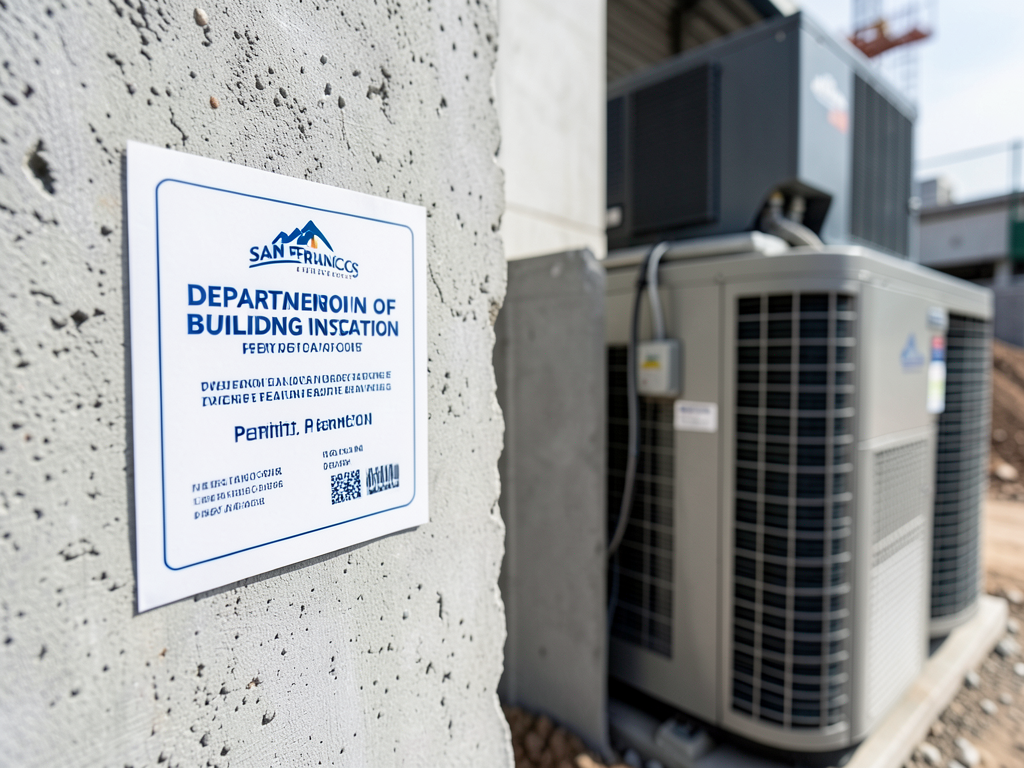
Navigating San Francisco’s HVAC permit requirements may seem daunting, but proper planning and working with qualified professionals can make the process smooth and straightforward. The key is understanding that these requirements exist to protect you and ensure your system operates safely and efficiently for years to come.
Ready to start your HVAC project? Call (628) 201-6600 today to schedule a consultation with our experienced team. We handle all permitting and ensure your installation meets every San Francisco requirement. Don’t wait until the next heat wave or cold snap – let us help you create a comfortable, code-compliant home environment.
Pick up the phone and call (628) 201-6600 before the next storm hits. Our experts understand the unique challenges of San Francisco’s building codes and can guide you through every step of the process, from initial planning to final inspection. Your comfort and peace of mind are just one call away.
You may also find this helpful. Space-Saving Cooling Options for Newer Condos in Mission Bay and the Dogpatch.
{
“@context”: “https://schema.org”,
“@type”: “BlogPosting”,
“headline”: “Navigating San Francisco HVAC Permits and Building Codes for Your Home Remodel”,
“description”: “Need an HVAC permit in San Francisco? Learn the exact steps for mechanical permits, Title 24 compliance, and DBI inspections for your remodel project.”,
“wordCount”: 2642,
“datePublished”: “2026-03-10T15:29:00.000Z”,
“dateModified”: “2026-03-10T15:29:00.000Z”,
“inLanguage”: “en-US”,
“mainEntityOfPage”: {
“@type”: “WebPage”,
“@id”: “https://atlashvacsanfrancisco.com”
},
“publisher”: {
“@type”: “LocalBusiness”,
“name”: “Atlas HVAC San Francisco”,
“url”: “https://atlashvacsanfrancisco.com”
},
“author”: {
“@type”: “Organization”,
“name”: “Atlas HVAC San Francisco”,
“url”: “https://atlashvacsanfrancisco.com”
},
“image”: {
“@type”: “ImageObject”,
“url”: “https://atlashvacsanfrancisco.com/wp-content/uploads/2026/03/navigating-san-francisco-hvac-permits-and-building-1.png”
}
}
{
“@context”: “https://schema.org”,
“@type”: “HVACBusiness”,
“name”: “Atlas HVAC San Francisco”,
“url”: “https://atlashvacsanfrancisco.com”,
“address”: {
“@type”: “PostalAddress”,
“addressLocality”: “San Francisco”
},
“areaServed”: {
“@type”: “City”,
“name”: “San Francisco”
}
}
{
“@context”: “https://schema.org”,
“@type”: “FAQPage”,
“mainEntity”: [
{
“@type”: “Question”,
“name”: “Do I need a permit to replace my existing furnace with the same model?”,
“acceptedAnswer”: {
“@type”: “Answer”,
“text”: “Yes, even replacing a furnace with the exact same model requires a permit in San Francisco. The permit ensures the new equipment is properly installed and meets current code requirements, which may have changed since your original installation.”
}
},
{
“@type”: “Question”,
“name”: “How long does it take to get an HVAC permit approved in San Francisco?”,
“acceptedAnswer”: {
“@type”: “Answer”,
“text”: “Standard residential HVAC permits typically take 5-10 business days for initial review. More complex projects or those requiring additional engineering review can take 2-4 weeks. Expedited review is available for an additional fee.”
}
},
{
“@type”: “Question”,
“name”: “What happens if I work without a required permit?”,
“acceptedAnswer”: {
“@type”: “Answer”,
“text”: “Working without a required permit can result in fines up to $1,000 per day, forced removal of the work, and complications when selling your home. You may also have difficulty obtaining insurance claims if unpermitted work causes damage.”
}
},
{
“@type”: “Question”,
“name”: “Can I pull my own HVAC permit as a homeowner?”,
“acceptedAnswer”: {
“@type”: “Answer”,
“text”: “Yes, homeowners can pull their own permits for work on their primary residence. However, you must complete the work yourself or hire licensed contractors. Many homeowners prefer to have their contractor handle permitting to ensure all requirements are met correctly.”
}
},
{
“@type”: “Question”,
“name”: “Are there any HVAC projects that don’t require permits in San Francisco?”,
“acceptedAnswer”: {
“@type”: “Answer”,
“text”: “Minor repairs like replacing capacitors, contactors, or cleaning coils typically don’t require permits. However, any work that involves new equipment installation, major modifications, or changes to electrical systems usually requires permitting.”
}
},
{
“@type”: “Question”,
“name”: “How much do HVAC permits cost in San Francisco?”,
“acceptedAnswer”: {
“@type”: “Answer”,
“text”: “Permit costs vary based on project scope but typically range from $150 to $500 for residential HVAC work. The exact fee depends on the valuation of the work, which includes both materials and labor.”
}
},
{
“@type”: “Question”,
“name”: “What is HERS testing and why is it required?”,
“acceptedAnswer”: {
“@type”: “Answer”,
“text”: “HERS (Home Energy Rating System) testing verifies that your HVAC installation meets California’s energy efficiency standards. It includes tests for duct leakage, refrigerant charge, and airflow that ensure your system operates at peak efficiency and complies with Title 24 requirements.”
}
},
{
“@type”: “Question”,
“name”: “Can I install a heat pump in a historic San Francisco home?”,
“acceptedAnswer”: {
“@type”: “Answer”,
“text”: “Yes, but additional requirements may apply. Historic district homes may have restrictions on equipment placement and may require approval from the Historic Preservation Commission. Creative solutions like mini-split systems or concealed ductwork are often used in these situations.”
}
},
{
“@type”: “Question”,
“name”: “How do I find a qualified HVAC contractor who understands San Francisco permits?”,
“acceptedAnswer”: {
“@type”: “Answer”,
“text”: “Look for contractors with C-20 licenses who have experience working in San Francisco. Ask about their familiarity with local codes, Title 24 compliance, and their process for handling permits. Check reviews and ask for references from past clients in the city.”
}
}
]
}
{
“@context”: “https://schema.org”,
“@type”: “BreadcrumbList”,
“itemListElement”: [
{
“@type”: “ListItem”,
“position”: 1,
“name”: “Home”,
“item”: “https://atlashvacsanfrancisco.com”
},
{
“@type”: “ListItem”,
“position”: 2,
“name”: “Blog”,
“item”: “https://atlashvacsanfrancisco.com/blog”
},
{
“@type”: “ListItem”,
“position”: 3,
“name”: “Navigating San Francisco HVAC Permits and Building Codes for Your Home Remodel”
}
]
}
{
“@context”: “https://schema.org”,
“@type”: “Service”,
“serviceType”: “HVAC”,
“provider”: {
“@type”: “LocalBusiness”,
“name”: “Atlas HVAC San Francisco”,
“url”: “https://atlashvacsanfrancisco.com”
},
“areaServed”: {
“@type”: “City”,
“name”: “San Francisco”
},
“description”: “Need an HVAC permit in San Francisco? Learn the exact steps for mechanical permits, Title 24 compliance, and DBI inspections for your remodel project.”
}