
Solving Common Heating Issues in Older Richmond District Homes
The Richmond District’s unique microclimate creates heating challenges that homeowners rarely anticipate. Dense fog rolling in from Ocean Beach combined with the neighborhood’s historic architecture means your heating system faces conditions unlike anywhere else in San Francisco. From the salt-laden air corroding outdoor components to the drafty Edwardian and Victorian homes that struggle to retain heat understanding these specific challenges is the first step toward reliable comfort.. Read more about Upgrading the HVAC System in Your Haight Ashbury Multi Unit Building.
Many Richmond District homes were built between 1900 and 1940 featuring floor furnaces wall heaters or aging boiler systems that require specialized knowledge to maintain. The combination of high humidity frequent temperature swings and salt air exposure accelerates wear on critical components. When your system fails during one of our notorious foggy nights you need a technician who understands not just HVAC repair but the specific demands of this neighborhood’s climate and construction.. Read more about Reliable Air Conditioning Repair for Foggy Sunset District Homes.
Common Richmond District Heating System Types
Understanding what heats your home is crucial for proper maintenance. The Richmond District’s housing stock includes several distinct system types each with unique vulnerabilities.. Read more about Get Your Mission District Furnace Fixed Today by Local Technicians.
- Floor Furnace Systems
These gravity-fed units common in homes built before 1950 rely on natural convection. Look for a metal grate in the floor typically near an exterior wall. These systems often struggle with even heat distribution and can become blocked by rugs or furniture.
- Boiler and Radiant Heat
Many Richmond homes use hot water boilers feeding radiators or radiant floor systems. These provide excellent comfort but require regular pressure checks and bleed valves to remove air pockets that reduce efficiency.. Read more about Expert Boiler Repair and Maintenance for Bernal Heights Property Owners.
- Wall Heaters
Gas wall heaters mounted on exterior walls offer zonal heating but can develop pilot light issues in the damp climate. The metal casings often show corrosion from salt air exposure.
- Modern Forced Air
Less common in the oldest Richmond homes but increasingly retrofitted these systems face unique challenges with the neighborhood’s high humidity affecting ductwork and air quality.
Why Richmond District Homes Face Unique Heating Challenges
The Richmond District sits in San Francisco’s Fog Belt where moist ocean air meets cooler temperatures. This creates conditions that accelerate system degradation in ways that surprise homeowners from other neighborhoods.. Read more about Seasonal HVAC Tune Ups to Prepare Your San Francisco Home for Winter.
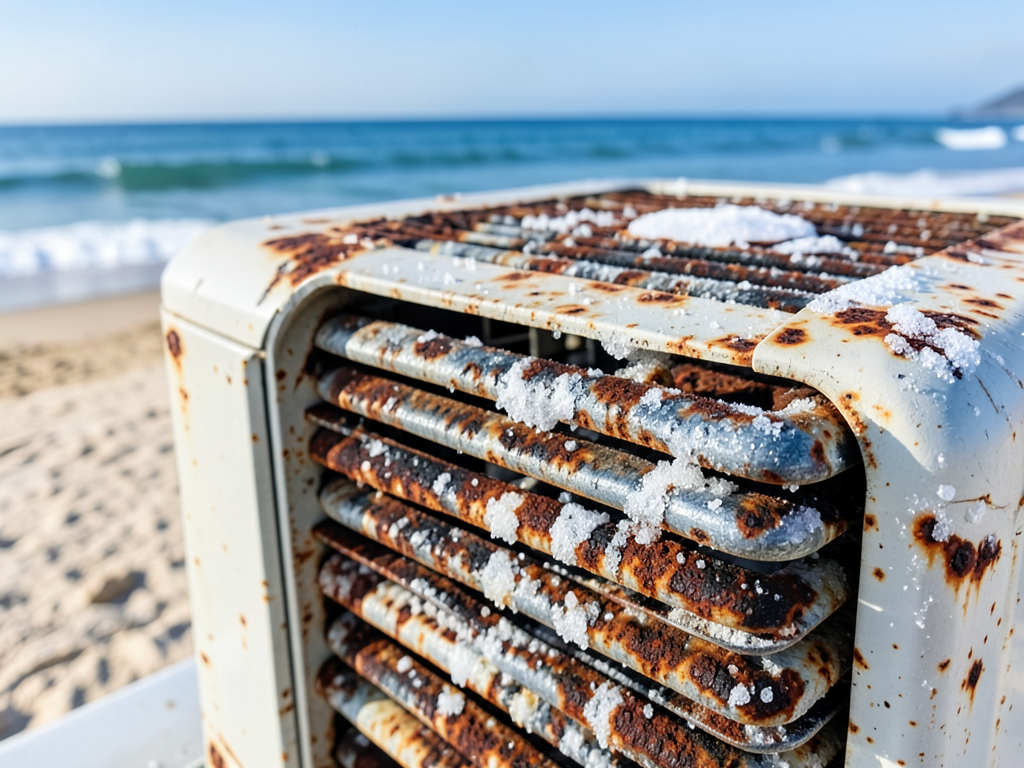
Salt air corrosion represents the most significant threat. Homes within three blocks of the beach experience accelerated metal degradation on heat exchangers burners and electrical components. The combination of moisture and salt creates electrolytic corrosion that can reduce component lifespan by 30-50% compared to inland properties.
High humidity also affects system performance. When indoor humidity exceeds 60% heat pumps and furnaces work harder to maintain comfort leading to increased energy consumption and premature wear. The damp conditions also promote mold growth in ductwork and around system components creating indoor air quality issues.
Older home construction presents additional challenges. Many Richmond District homes lack proper insulation with single-pane windows and uninsulated walls allowing heat to escape rapidly. This forces heating systems to cycle more frequently increasing wear and energy costs.
Emergency Heating Repair: When Your System Fails
Heating emergencies in the Richmond District often occur during the coldest foggiest nights when you need heat most. Recognizing the warning signs can help you avoid complete system failure.
Strange noises often precede major breakdowns. A failing blower motor might produce a high-pitched whine while a cracked heat exchanger can create popping or banging sounds. If you hear these noises shut off the system immediately and call for service.
Uneven heating throughout your home suggests ductwork issues or failing components. If certain rooms remain cold while others overheat your system may be struggling to distribute heat effectively. This often indicates problems with the blower ductwork or thermostat calibration.
Complete system failure typically results from one of several causes: failed pilot lights in older systems tripped breakers from electrical issues or complete burner failure in furnaces. When your system won’t start at all check the basics first: thermostat settings circuit breakers and gas supply valves.
Carbon monoxide risks increase in older systems. If you experience headaches dizziness or flu-like symptoms when your heating system runs evacuate immediately and call emergency services. Install carbon monoxide detectors near sleeping areas as required by California law. California Title 24 Energy Efficiency Standards.
Floor Furnace Safety and Maintenance
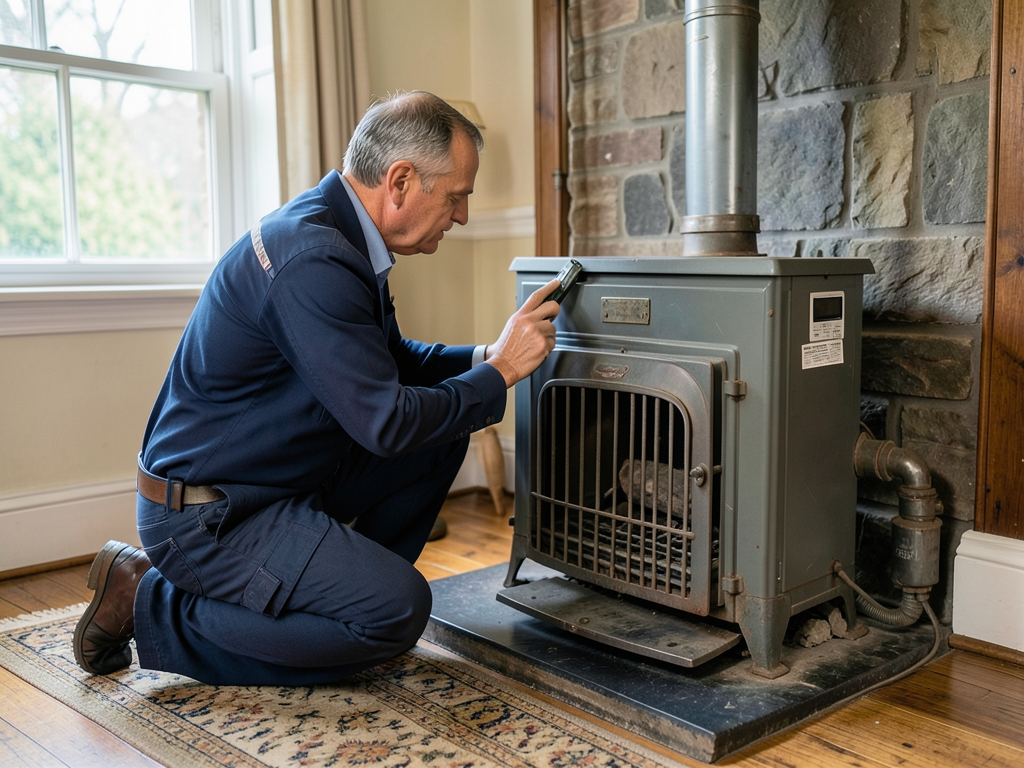
Floor furnaces remain common in Richmond District homes built before 1950. These systems offer reliable heat but require specific safety considerations that many homeowners overlook.
The primary safety concern involves combustible materials near the floor grate. Rugs furniture or stored items placed too close to the grate can ignite from the intense heat. Maintain at least 36 inches of clearance around all floor furnace openings.
Floor furnaces lack modern safety features like automatic shutoff if the flame goes out. This means gas can continue flowing creating explosion hazards. If you smell gas near your floor furnace turn off the gas supply at the main valve and ventilate the area immediately.
Regular maintenance involves removing the grate and vacuuming accumulated dust and debris from the combustion chamber. This prevents restricted airflow and reduces fire hazards. Check the burner ports for blockages and clean them with a soft brush if needed.
Many floor furnaces develop rust and corrosion on the burner assembly over time. This affects combustion efficiency and can produce dangerous carbon monoxide. Have a qualified technician inspect the burner annually especially if you notice yellow flames instead of blue.
Boiler System Troubleshooting
Boiler systems provide excellent comfort in Richmond District homes but require specific troubleshooting knowledge that differs from forced-air systems.
Pressure problems represent the most common boiler issue. Most systems operate between 12-15 psi when cold. If pressure drops below 10 psi the system won’t heat properly. Check the pressure gauge on your boiler and add water through the filling loop if needed.
Air trapped in radiators causes cold spots and reduces heating efficiency. Bleeding radiators releases this trapped air. Use a radiator key to open the bleed valve at the top of each radiator until water flows steadily then close it. Perform this annually before heating season.
Circulator pump failure prevents hot water from reaching radiators. Listen for the pump’s humming sound when the system runs. If you hear nothing the pump may have failed. This requires professional replacement as pumps are sealed units.. Read more about Professional Duct Cleaning to Improve Your Home Airflow in San Francisco.
Scale buildup in older systems reduces heat transfer efficiency. Hard water minerals accumulate inside heat exchangers and pipes creating insulating layers that force the boiler to work harder. Annual chemical cleaning removes this scale and restores efficiency.
California Title 24 Energy Efficiency Standards require boiler systems over 20 years old to be evaluated for replacement with high-efficiency models. Modern condensing boilers achieve 90-95% efficiency compared to 60-70% for older units significantly reducing energy costs.
Heat Pump Performance in Foggy Conditions
Heat pumps offer excellent efficiency but face unique challenges in the Richmond District’s damp climate. Understanding these limitations helps you make informed decisions about system selection and maintenance.
Defrost cycles become more frequent in foggy conditions. When outdoor coils accumulate frost from the moist air the system switches to cooling mode to melt the ice. This process can reduce heating output by 30-40% during defrost cycles which occur more often near the beach.
Condensate drainage becomes critical in high-humidity environments. Heat pumps produce significant condensation that must drain properly. Blocked condensate lines cause water to back up into the system triggering safety switches that shut down operation. Check drain lines regularly for blockages.
Airflow restrictions from debris accumulation affect heat pump efficiency. The moist salty air promotes algae and mold growth on outdoor coils. Annual coil cleaning with appropriate cleaners prevents this buildup and maintains system efficiency.
Backup heating becomes essential for Richmond District homes. When temperatures drop below 35°F or during extended defrost cycles heat pumps may struggle to maintain comfort. Electric resistance strips or dual-fuel systems provide necessary supplemental heat during extreme conditions.
The National Electrical Code Article 424 requires dedicated circuits for heat pump backup heating elements. Ensure your electrical panel has capacity for these additional loads especially in older Richmond homes with limited electrical service.
Energy Efficiency Upgrades for Older Homes
Improving your Richmond District home’s energy efficiency reduces heating costs and extends system life. Several cost-effective upgrades offer significant returns on investment.
Attic insulation provides the highest return on investment. Many Richmond homes have minimal attic insulation allowing heat to escape through the roof. Adding R-38 insulation (about 12-15 inches of fiberglass or cellulose) can reduce heating costs by 20-30%.
Window treatments significantly impact heat retention. Installing cellular shades or thermal curtains creates an insulating air pocket that reduces heat loss through single-pane windows. This simple upgrade can improve window insulation value by R-2 to R-4.
Weatherstripping and door seals prevent drafts that force heating systems to work harder. Check all exterior doors and windows for air leaks. Replace worn weatherstripping and use caulk to seal gaps around window frames and door jambs.
Smart thermostats optimize heating schedules based on your lifestyle. These devices learn your patterns and adjust temperatures automatically reducing energy waste when you’re asleep or away. Many utility companies offer rebates for smart thermostat installation.
According to the U.S. Department of Energy proper insulation and air sealing can reduce heating costs by up to 20% in older homes. The initial investment typically pays for itself within 2-3 heating seasons through energy savings. U.S. Department of Energy heating efficiency guidelines.
Preventive Maintenance Schedule
Regular maintenance prevents most heating emergencies and extends system life. A seasonal maintenance schedule keeps your system operating efficiently throughout Richmond District’s challenging climate.
- Fall Preparation
Before heating season begins schedule professional inspection and cleaning. Technicians check heat exchangers clean burners test safety controls and verify proper combustion. This prevents mid-winter emergencies when demand for service peaks.
- Monthly Filter Changes
Replace or clean air filters monthly during heating season. Richmond’s high humidity promotes dust and mold accumulation on filters reducing airflow and system efficiency. Clean filters improve indoor air quality and reduce energy consumption.
- Thermostat Calibration
Test thermostat accuracy using a separate thermometer. If readings differ by more than 2°F replace batteries or have the thermostat recalibrated. Accurate temperature control prevents energy waste and comfort issues.
- Vent and Register Cleaning
Vacuum floor registers and wall vents to remove dust and debris. Blocked vents force systems to work harder and create uneven heating. Ensure all vents remain unobstructed by furniture or rugs.
- Carbon Monoxide Detector Testing
Test detectors monthly and replace batteries annually. Carbon monoxide from faulty heating systems poses serious health risks. Install detectors on every level of your home especially near sleeping areas.
Choosing the Right HVAC Contractor
Selecting a qualified contractor for Richmond District heating repairs requires specific considerations beyond basic licensing and insurance.
Local experience matters significantly. Contractors familiar with Richmond District’s unique challenges understand the impact of salt air high humidity and older home construction on heating systems. They arrive with appropriate tools and replacement parts rather than learning on your dime.
Emergency response capability proves crucial during heating failures. The best contractors maintain 24/7 service with guaranteed response times especially during winter months when heating failures create urgent situations. Ask about emergency protocols and typical response times before hiring.
Permit knowledge becomes essential for system replacements. San Francisco requires permits for most heating system modifications with specific requirements for historic districts. Qualified contractors handle permitting and ensure installations meet all local codes and regulations.
Warranty coverage varies significantly between contractors. Look for companies offering both manufacturer warranties on equipment and labor warranties on installation. The best contractors stand behind their work with 5-10 year labor warranties.
References from other Richmond District homeowners provide valuable insights. Ask potential contractors for references from homes similar to yours in age and construction. This ensures they have relevant experience with your specific system type.
Cost Considerations and Energy Savings
Understanding heating system costs helps you budget for repairs and replacements. Richmond District homeowners face unique cost factors related to the neighborhood’s specific conditions.
Repair costs vary significantly based on system type and failure complexity. Floor furnace repairs typically range from $150-400 for common issues like thermocouple replacement or burner cleaning. Boiler repairs often cost $300-800 due to the complexity of these systems.
Replacement costs depend on system efficiency and home size. High-efficiency furnaces cost $3000-6000 installed while boiler replacements range from $5000-12000 depending on system complexity and home configuration.
Energy savings from efficiency upgrades provide long-term financial benefits. Modern high-efficiency systems can reduce heating costs by 30-50% compared to 20-year-old equipment. Many utility companies offer rebates for efficiency upgrades reducing initial costs.
According to the California Energy Commission heating accounts for approximately 50% of home energy consumption in San Francisco’s climate zone. Investing in efficiency improvements often provides better returns than many other home improvements.
Financing options make upgrades more accessible. Many contractors offer payment plans and various government programs provide low-interest loans for energy efficiency improvements. Explore all options before deciding on repairs versus replacement.
Frequently Asked Questions
Why does my heating system smell when I first turn it on each season?
The burning dust smell occurs when accumulated dust on heating elements burns off during initial operation. This is normal and typically dissipates within a few hours. However if the smell persists or has an electrical odor shut off the system and call for service.
How often should I replace my furnace filter?
Replace standard 1-inch filters monthly during heating season. Richmond’s high humidity promotes faster dust accumulation. High-efficiency pleated filters can last 2-3 months but check them monthly and replace when visibly dirty.
Can I install a new heating system myself to save money?
California law requires C-20 licensed contractors for most heating system installations. DIY installations void warranties may violate building codes and create safety hazards. Professional installation ensures proper operation maintains warranties and meets all safety requirements.
What’s the best heating system for a Richmond District Victorian home?
High-efficiency boilers with radiant heat often work best in older homes preserving architectural integrity while providing excellent comfort. Heat pumps with backup heating offer good efficiency but require proper sizing for the foggy climate. A professional assessment helps determine the optimal solution for your specific home.
How can I tell if my carbon monoxide detector is working?
Test detectors monthly using the test button. Replace batteries annually even if they test fine. Most detectors last 5-7 years; replace the entire unit when it reaches end-of-life. If the detector sounds an alarm evacuate immediately and call emergency services.
Heating problems in Richmond District homes require specialized knowledge of the neighborhood’s unique climate and construction challenges. From salt air corrosion to high humidity effects these factors demand expertise that general HVAC contractors may lack. When your system fails or you need maintenance choosing a contractor familiar with Richmond District’s specific needs ensures reliable long-lasting repairs.
Don’t wait for a complete system failure during one of our notorious foggy nights. Regular maintenance prevents most emergencies and extends system life significantly. Whether you have a classic floor furnace aging boiler or modern heat pump understanding your system’s specific needs helps you make informed decisions about repairs and upgrades.
Call (628) 201-6600 today to schedule your heating system inspection or emergency repair service. Our technicians understand Richmond District’s unique heating challenges and arrive prepared to solve problems quickly and effectively. Don’t let another foggy night catch you without reliable heat.
Pick up the phone and call (628) 201-6600 before the next storm hits. Your comfort and safety depend on a properly functioning heating system especially during Richmond District’s coldest months.
{
“@context”: “https://schema.org”,
“@type”: “BlogPosting”,
“headline”: “Solving Common Heating Issues in Older Richmond District Homes”,
“description”: “Expert heating repair for Richmond District’s unique climate. Learn about floor furnaces, boilers, and heat pumps in foggy San Francisco homes.”,
“wordCount”: 2575,
“datePublished”: “2026-02-17T16:43:00.000Z”,
“dateModified”: “2026-02-17T16:43:00.000Z”,
“inLanguage”: “en-US”,
“mainEntityOfPage”: {
“@type”: “WebPage”,
“@id”: “https://atlashvacsanfrancisco.com”
},
“publisher”: {
“@type”: “LocalBusiness”,
“name”: “Atlas HVAC San Francisco”,
“url”: “https://atlashvacsanfrancisco.com”
},
“author”: {
“@type”: “Organization”,
“name”: “Atlas HVAC San Francisco”,
“url”: “https://atlashvacsanfrancisco.com”
},
“image”: {
“@type”: “ImageObject”,
“url”: “https://atlashvacsanfrancisco.com/wp-content/uploads/2026/03/solving-common-heating-issues-in-older-richmond-di-1.png”
}
}
{
“@context”: “https://schema.org”,
“@type”: “HVACBusiness”,
“name”: “Atlas HVAC San Francisco”,
“url”: “https://atlashvacsanfrancisco.com”,
“address”: {
“@type”: “PostalAddress”,
“addressLocality”: “San Francisco”
},
“areaServed”: {
“@type”: “City”,
“name”: “San Francisco”
}
}
{
“@context”: “https://schema.org”,
“@type”: “FAQPage”,
“mainEntity”: [
{
“@type”: “Question”,
“name”: “Why does my heating system smell when I first turn it on each season?”,
“acceptedAnswer”: {
“@type”: “Answer”,
“text”: “The burning dust smell occurs when accumulated dust on heating elements burns off during initial operation. This is normal and typically dissipates within a few hours. However if the smell persists or has an electrical odor shut off the system and call for service.”
}
},
{
“@type”: “Question”,
“name”: “How often should I replace my furnace filter?”,
“acceptedAnswer”: {
“@type”: “Answer”,
“text”: “Replace standard 1-inch filters monthly during heating season. Richmond’s high humidity promotes faster dust accumulation. High-efficiency pleated filters can last 2-3 months but check them monthly and replace when visibly dirty.”
}
},
{
“@type”: “Question”,
“name”: “Can I install a new heating system myself to save money?”,
“acceptedAnswer”: {
“@type”: “Answer”,
“text”: “California law requires C-20 licensed contractors for most heating system installations. DIY installations void warranties may violate building codes and create safety hazards. Professional installation ensures proper operation maintains warranties and meets all safety requirements.”
}
},
{
“@type”: “Question”,
“name”: “What’s the best heating system for a Richmond District Victorian home?”,
“acceptedAnswer”: {
“@type”: “Answer”,
“text”: “High-efficiency boilers with radiant heat often work best in older homes preserving architectural integrity while providing excellent comfort. Heat pumps with backup heating offer good efficiency but require proper sizing for the foggy climate. A professional assessment helps determine the optimal solution for your specific home.”
}
},
{
“@type”: “Question”,
“name”: “How can I tell if my carbon monoxide detector is working?”,
“acceptedAnswer”: {
“@type”: “Answer”,
“text”: “Test detectors monthly using the test button. Replace batteries annually even if they test fine. Most detectors last 5-7 years; replace the entire unit when it reaches end-of-life. If the detector sounds an alarm evacuate immediately and call emergency services.”
}
}
]
}
{
“@context”: “https://schema.org”,
“@type”: “HowTo”,
“name”: “Identifying Your Heating System”,
“step”: [
{
“@type”: “HowToStep”,
“position”: 1,
“name”: “Floor Furnace Systems”,
“text”: “These gravity-fed units common in homes built before 1950 rely on natural convection. Look for a metal grate in the floor typically near an exterior wall. These systems often struggle with even heat distribution and can become blocked by rugs or furniture.”
},
{
“@type”: “HowToStep”,
“position”: 2,
“name”: “Boiler and Radiant Heat”,
“text”: “Many Richmond homes use hot water boilers feeding radiators or radiant floor systems. These provide excellent comfort but require regular pressure checks and bleed valves to remove air pockets that reduce efficiency.”
},
{
“@type”: “HowToStep”,
“position”: 3,
“name”: “Wall Heaters”,
“text”: “Gas wall heaters mounted on exterior walls offer zonal heating but can develop pilot light issues in the damp climate. The metal casings often show corrosion from salt air exposure.”
},
{
“@type”: “HowToStep”,
“position”: 4,
“name”: “Modern Forced Air”,
“text”: “Less common in the oldest Richmond homes but increasingly retrofitted these systems face unique challenges with the neighborhood’s high humidity affecting ductwork and air quality.”
}
],
“image”: “https://atlashvacsanfrancisco.com/wp-content/uploads/2026/03/solving-common-heating-issues-in-older-richmond-di-1.png”
}
{
“@context”: “https://schema.org”,
“@type”: “BreadcrumbList”,
“itemListElement”: [
{
“@type”: “ListItem”,
“position”: 1,
“name”: “Home”,
“item”: “https://atlashvacsanfrancisco.com”
},
{
“@type”: “ListItem”,
“position”: 2,
“name”: “Blog”,
“item”: “https://atlashvacsanfrancisco.com/blog”
},
{
“@type”: “ListItem”,
“position”: 3,
“name”: “Solving Common Heating Issues in Older Richmond District Homes”
}
]
}
{
“@context”: “https://schema.org”,
“@type”: “Service”,
“serviceType”: “HVAC”,
“provider”: {
“@type”: “LocalBusiness”,
“name”: “Atlas HVAC San Francisco”,
“url”: “https://atlashvacsanfrancisco.com”
},
“areaServed”: {
“@type”: “City”,
“name”: “San Francisco”
},
“description”: “Expert heating repair for Richmond District’s unique climate. Learn about floor furnaces, boilers, and heat pumps in foggy San Francisco homes.”
}