




menu

Commercial AC Repair in San Francisco – Minimize Downtime and Protect Business Continuity

When your commercial cooling system fails, every minute costs revenue. Atlas HVAC San Francisco delivers rapid commercial AC repair with industrial-grade diagnostics and same-day service to keep your operations running.

Slider Image 1
Slider Image 2
Slider Image 3
Slider Image 4
Slider Image 5
Slider Image 7
Slider Image 8
Slider Image 9
Slider Image 10
Slider Image 11

Why Commercial Cooling Failures Hit San Francisco Businesses Hard

San Francisco's microclimates create unpredictable cooling demands for commercial facilities. Fog-cooled mornings transition to sudden afternoon heat spikes, forcing your commercial HVAC system to cycle aggressively. This constant thermal stress accelerates compressor wear and refrigerant pressure imbalances.

Your building's cooling system operates differently than residential units. Commercial air conditioning repair requires understanding three-phase power, modular rooftop units, and zone control systems that residential technicians rarely encounter. A failed evaporator coil in your downtown office building affects productivity across multiple floors. A refrigerant leak in your warehouse near the Embarcadero disrupts inventory management during peak season.

San Francisco's Title 24 energy compliance standards add complexity to commercial cooling repair. Older buildings in the Financial District and SoMa often house outdated equipment that struggles to meet current efficiency benchmarks while maintaining adequate cooling capacity. Your system may be cycling correctly but consuming excessive energy because of worn contactors or failing economizer dampers.

Industrial ac repair becomes urgent when server rooms overheat or retail spaces become uncomfortable for customers. Business ac repair is not about comfort. It addresses liability, code compliance, and operational continuity. A malfunctioning commercial hvac system in a restaurant near Union Square can trigger health department violations. In medical facilities, precise temperature control protects pharmaceuticals and patient safety.

San Francisco's aging commercial building stock means many businesses operate with equipment installed before modern efficiency standards existed. This creates cascading failure risks where one component breakdown triggers system-wide problems.

Why Commercial Cooling Failures Hit San Francisco Businesses Hard
How We Diagnose and Repair Commercial Cooling Systems Differently

How We Diagnose and Repair Commercial Cooling Systems Differently

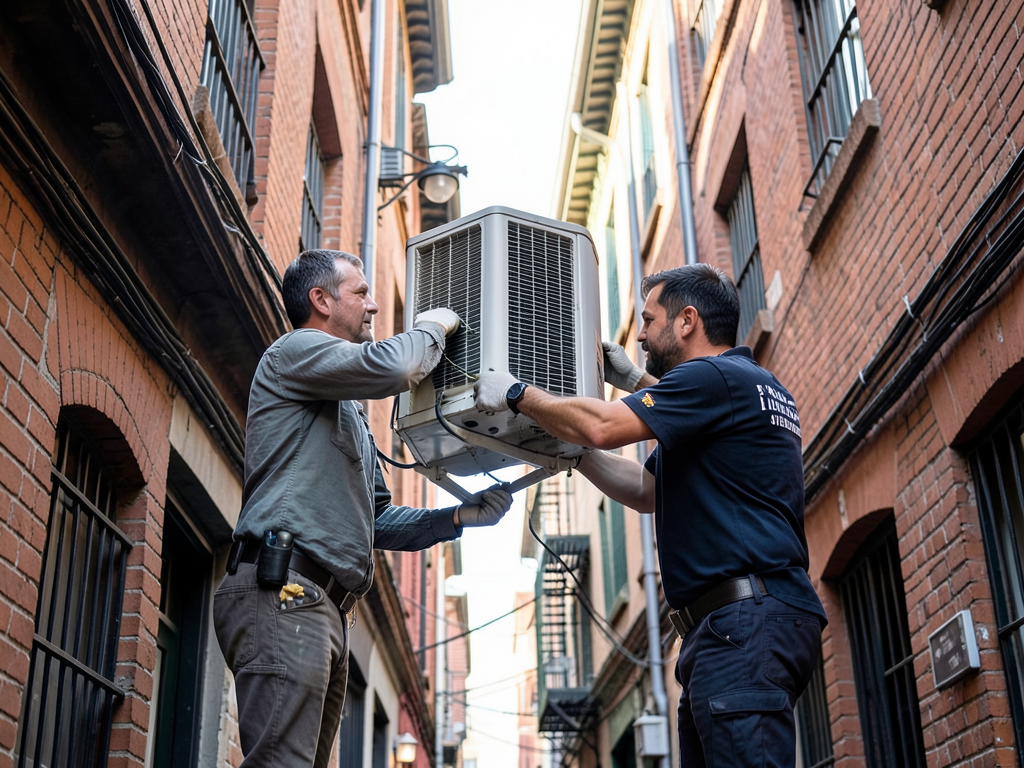
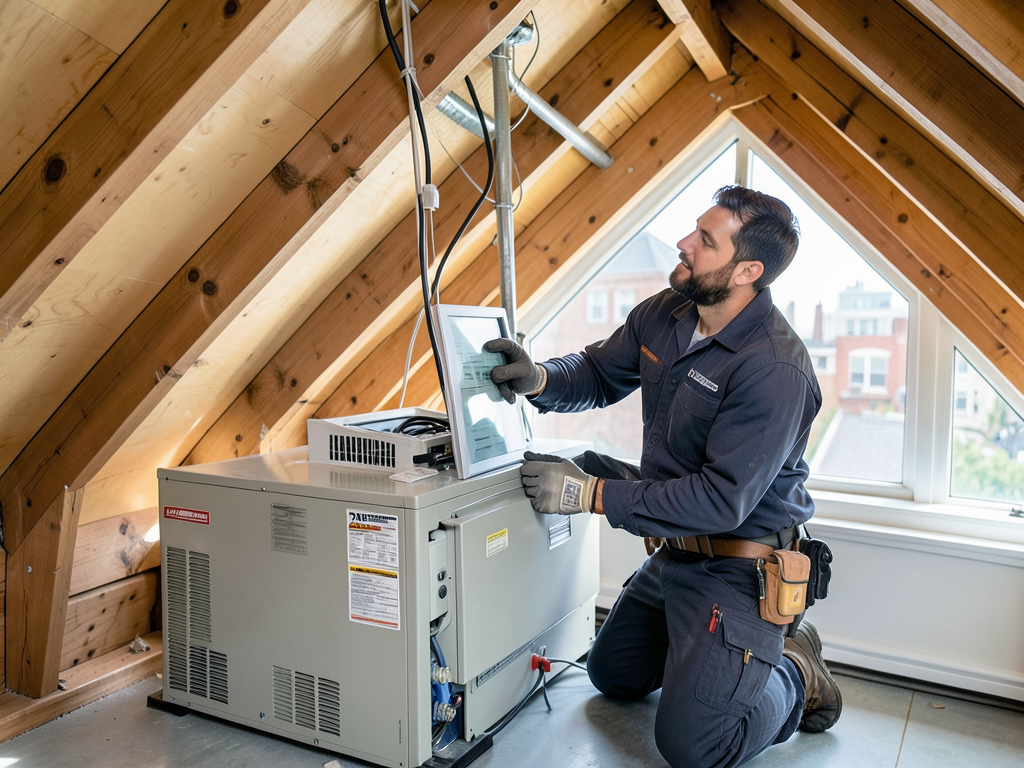
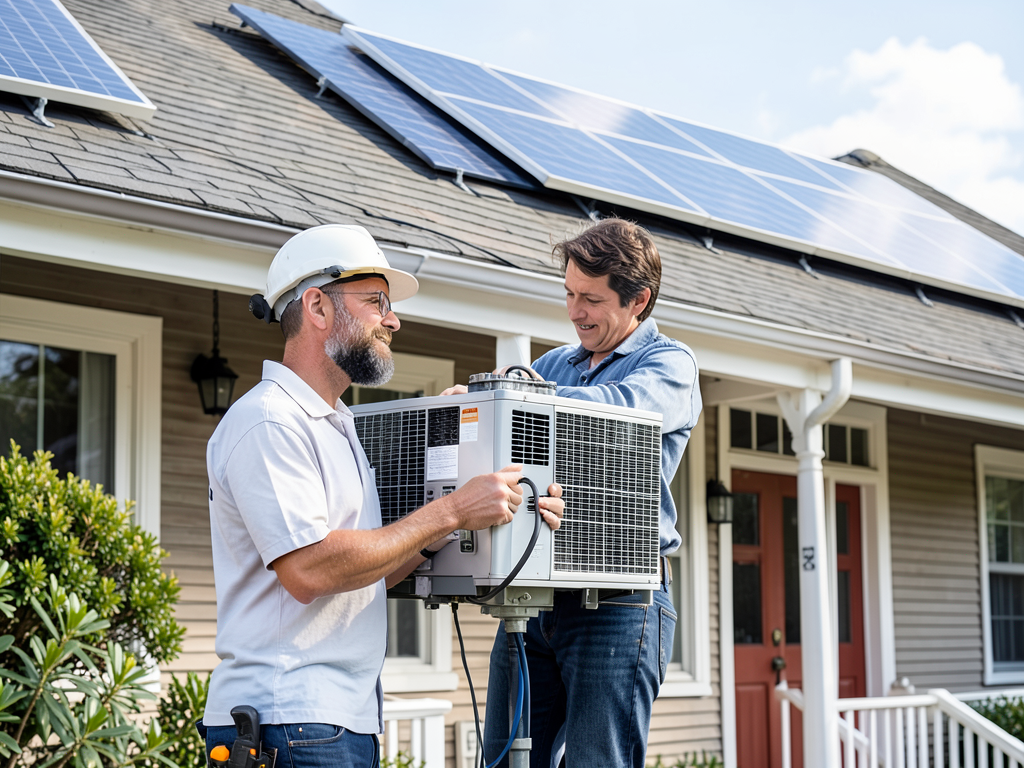
Commercial cooling repair requires different tools and methodology than residential service. We deploy thermal imaging to identify hot spots in electrical connections before they cause compressor failure. Our technicians carry manifold gauges calibrated for R-410A and R-22 systems, because many San Francisco commercial buildings still operate legacy refrigerants under phaseout exemptions.

We start with amperage draw testing on each compressor stage. A three-phase compressor pulling unbalanced current across phases signals internal winding damage or bearing wear. This diagnostic step prevents misdiagnosis. Many commercial air conditioning repair calls blamed on "low refrigerant" actually stem from failed reversing valves or stuck expansion valves.

Your rooftop unit operates as a complete system. We test superheat and subcooling simultaneously to determine whether your problem originates in the evaporator coil, condenser coil, or metering device. A subcooling reading below manufacturer specifications indicates refrigerant undercharge. A superheat reading above 20 degrees signals restricted airflow or a failing txv valve.

We address electrical components that residential systems do not use. Your commercial system likely includes variable frequency drives, economizer controls, and building automation integration. A failed VFD creates voltage spikes that damage compressor windings. Economizer dampers stuck in the open position during humid conditions force your system to dehumidify outdoor air, wasting energy and reducing capacity.

Atlas HVAC San Francisco carries replacement contactors, capacitors, and relay switches for the commercial brands operating in San Francisco buildings. Trane, Carrier, Lennox, and York commercial units each use proprietary components. We maintain inventory to complete repairs during the first visit, minimizing your operational disruption.

Our Commercial AC Repair Response Protocol

Commercial AC Repair in San Francisco – Minimize Downtime and Protect Business Continuity
01

Immediate Dispatch and Assessment

You call reporting cooling loss. We dispatch a commercial-certified technician within two hours during business hours. Our technician arrives with thermal imaging equipment, refrigerant recovery tools, and replacement components for common failure points. The initial assessment identifies whether you face a simple contactor replacement or a complex compressor failure requiring temporary cooling solutions while we source parts.
02

System Testing and Repair

We isolate the failed component using electrical testing and refrigerant pressure analysis. Commercial hvac repair often involves multiple systems. We verify that repairing one rooftop unit will not overload your electrical service or create imbalanced cooling across zones. Our technician explains repair options, timeline, and whether your building requires a temporary permit for refrigerant work. We complete repairs using OEM parts to maintain warranty compliance and system reliability.
03

Verification and Documentation

After repair, we run your system through complete cooling cycles while monitoring amperage, voltage, and refrigerant pressures. You receive documentation showing pre-repair and post-repair performance data. This matters for your facility management records and proves code compliance during inspections. We identify other components approaching end of service life, allowing you to budget for future maintenance rather than face emergency failures.

Why San Francisco Businesses Choose Atlas HVAC for Commercial Cooling Repair

San Francisco commercial buildings present unique challenges that generic HVAC contractors mishandle. Buildings constructed before 1980 often lack adequate roof access for modern rooftop unit replacement. Historic preservation requirements in neighborhoods like Jackson Square limit exterior equipment modifications. We understand these constraints because we work in these buildings weekly.

Your commercial space faces different compliance requirements than residential properties. San Francisco's Department of Building Inspection enforces strict permitting for refrigerant work exceeding 25 pounds. Many commercial systems hold 50 to 200 pounds of refrigerant. We handle permit applications and ensure repairs meet Title 24 energy standards, protecting you from code violations during future inspections.

Business cooling repair demands fast response because downtime costs revenue. A failed compressor in your retail space during summer weekend traffic represents thousands in lost sales. An overheated server room risks data loss and customer service disruptions. Atlas HVAC San Francisco maintains relationships with equipment suppliers throughout the Bay Area, giving us access to commercial components that residential-focused companies cannot source quickly.

We communicate in operational terms, not technical jargon. You need to know when your system will restore cooling, whether you should close affected areas, and what temporary measures will minimize business impact. Our technicians provide realistic timelines based on parts availability and repair complexity, not optimistic guesses that leave you planning around false expectations.

San Francisco's density means your building shares walls, power infrastructure, and ventilation with neighboring properties. We coordinate with building engineers and property managers to ensure repairs do not disrupt other tenants or violate shared equipment agreements common in multi-tenant commercial buildings.

What Your Business Can Expect During Commercial AC Repair

Response Time and Scheduling

Commercial cooling failures require urgent response. We prioritize same-day service for businesses experiencing complete system failure or cooling loss affecting customer areas. You speak directly with our dispatch team, not an answering service. We provide arrival time windows and technician contact information so you can coordinate building access. For non-urgent commercial air conditioning repair like efficiency improvements or component upgrades, we schedule during your lowest-traffic hours to minimize operational disruption. Weekend and after-hours service is available because your business does not stop operating when standard service hours end.

Diagnostic Process and Approval

Our technician performs system diagnostics and provides a detailed explanation of the failure, required repairs, and cost before beginning work. You receive options when multiple repair approaches exist. A failed compressor might allow repair or require full replacement depending on system age and refrigerant type. We explain how each option affects system longevity, energy consumption, and code compliance. You make informed decisions based on operational priorities and budget constraints. Our diagnostic process includes testing adjacent components to identify problems that could cause secondary failures after we complete the primary repair, preventing callback situations.

Repair Quality and Performance

Commercial hvac repair requires precision that affects system longevity and efficiency. We use digital manifold gauges to charge refrigerant to exact manufacturer specifications. Overcharging reduces capacity and damages compressors. Undercharging causes freeze-ups and inadequate cooling. Our technicians follow OEM procedures for evacuation, leak testing, and refrigerant charging. You receive a system that operates at design capacity, not a quick fix that fails again in three months. We test all safety controls including high-pressure cutouts and low-pressure switches to ensure your system shuts down safely if problems develop rather than destroying expensive components.

Post-Repair Support and Maintenance

After completing business ac repair, we provide operational guidelines for your facility staff. You learn what sounds, smells, or performance changes require immediate attention versus normal operation. We offer preventive maintenance agreements that include quarterly inspections, filter changes, and refrigerant level checks. Regular maintenance prevents emergency failures during peak cooling season when your business cannot afford downtime. Our service records track your equipment history, making future diagnostics faster and helping you plan capital expenditures for aging equipment. You receive copies of all permits, refrigerant logs, and compliance documentation required for building inspections and environmental reporting.

Frequently Asked Questions

You Have Questions,
We Have Answers

What are common commercial HVAC problems? +

Commercial systems in San Francisco face refrigerant leaks from salt air corrosion, clogged condensate drains due to fog and humidity, and worn compressor contactors from constant cycling. Thermostat calibration drift causes tenant complaints in multi-zone buildings. Dirty evaporator coils reduce airflow and increase energy draw. Motor bearings fail prematurely in coastal environments. Economizer dampers seize in high-traffic retail spaces. Aging rooftop units face accelerated weathering from marine air. Regular filter changes prevent most issues, but commercial equipment requires professional diagnostics to minimize downtime and maintain liability coverage.

What are the costs of commercial HVAC repair? +

Repair costs depend on equipment age, system complexity, and failure type. Minor fixes like capacitor replacement or relay adjustment cost less than compressor rebuilds or heat exchanger replacement. Multi-zone systems in Financial District high-rises cost more to diagnose than single-package units. Emergency after-hours service increases labor rates. Parts availability affects timelines and pricing. Deferred maintenance compounds costs over time. Commercial refrigerant types impact pricing. Request detailed diagnostics before authorizing work. Budget for preventive contracts to reduce emergency repair frequency and control annual operating expenses.

What is the $5000 rule for HVAC? +

The $5000 rule guides replacement decisions when repair costs approach half the price of new equipment. If the repair cost multiplied by the system age exceeds $5000, replacement often delivers better ROI. A 12-year-old unit needing a $600 compressor repair scores 7200, suggesting replacement. This formula accounts for efficiency gains, reduced downtime risk, and warranty protection. San Francisco energy rates make newer equipment financially attractive. Factor in remaining useful life, code compliance requirements, and business interruption costs when applying this guideline to commercial properties.

What is the life expectancy of a commercial air conditioner? +

Commercial air conditioners last 15 to 20 years with proper maintenance. Rooftop units in San Francisco face marine air exposure that accelerates corrosion, potentially reducing lifespan. Single-package systems typically outlast split systems due to fewer connection points. Usage intensity matters more than calendar age. A restaurant system running 16 hours daily ages faster than an office system with weekend shutdowns. Annual service intervals, filter discipline, and prompt minor repairs extend equipment life. Budget for replacement after year 12 to avoid unplanned failures during peak season.

What is the 3 minute rule for AC? +

The 3-minute rule prevents compressor damage during rapid cycling. After shutdown, refrigerant pressure must equalize before restart. Restarting too quickly forces the compressor to start against high head pressure, damaging windings and shortening motor life. Modern commercial units include time-delay relays enforcing this interval. Manual thermostat adjustments or power interruptions can bypass this protection. Repeated short-cycling indicates thermostat issues, refrigerant imbalance, or oversized equipment. Commercial systems with failed delay relays risk compressor burnout. Address cycling problems immediately to protect capital equipment and prevent expensive failures.

What is the most common part to fail on an AC unit? +

Capacitors fail most frequently in commercial AC systems. Start capacitors provide motor torque during compressor startup. Run capacitors improve motor efficiency during operation. Heat, voltage fluctuations, and age cause capacitor degradation. Symptoms include hard starting, humming without startup, or reduced cooling capacity. Coastal humidity accelerates capacitor failure in San Francisco rooftop units. Capacitors are inexpensive components but cause complete system shutdown when they fail. Preventive replacement during annual service prevents emergency calls. Technicians test capacitance values and replace marginal units before failure to maintain business continuity.

What is the most expensive repair on an AC unit? +

Compressor replacement represents the most expensive commercial AC repair. Compressors contain precision-machined components and refrigerant-compatible motors. Large commercial compressors require cranes for rooftop access in urban San Francisco locations. Labor-intensive brazing, refrigerant recovery, evacuation, and system recharge add costs. Scroll compressors cost more than reciprocating types. Hermetic compressor failures often justify full system replacement due to labor costs. Contaminated refrigerant from compressor burnout requires complete system flushing and component replacement. Prevent compressor failure through regular maintenance, proper refrigerant charge, and prompt repair of minor issues.

How often should a commercial HVAC system be serviced? +

Service commercial HVAC quarterly or semi-annually depending on usage intensity and equipment type. Restaurants, medical offices, and data centers require quarterly service due to continuous operation and air quality requirements. Standard office spaces manage with semi-annual maintenance. San Francisco fog and marine air demand more frequent coil cleaning. Service visits include filter replacement, coil inspection, refrigerant pressure checks, electrical connection tightening, and calibration verification. Scheduled maintenance reduces emergency repairs by 40 percent and extends equipment life. Document all service for warranty compliance and liability protection.

Is HVAC repair covered by insurance? +

Commercial property insurance typically excludes routine HVAC repair but may cover sudden mechanical breakdown under equipment breakdown coverage. Age and maintenance history affect claims. Damage from covered perils like fire, storm, or vandalism qualifies for coverage. Gradual wear, corrosion, and deferred maintenance remain tenant or owner responsibility. Review your commercial policy endorsements for mechanical breakdown coverage limits. Liability insurance covers tenant claims from HVAC failure only if negligence is proven. Maintain service records demonstrating reasonable care. Consult your insurance broker regarding specific coverage before filing claims.

Is HVAC system cost tax deductible? +

Commercial HVAC repair costs are tax deductible as ordinary business expenses in the year incurred. Repairs restore existing function without material improvement. Replacements and upgrades constitute capital improvements depreciated over equipment life. IRS guidelines distinguish repairs from improvements based on scope and intent. A compressor replacement maintaining original capacity qualifies as repair. A system upgrade with efficiency gains requires depreciation. Section 179 allows immediate expensing of qualifying equipment purchases up to annual limits. Consult your CPA regarding specific deductions, depreciation schedules, and energy efficiency tax credits available for commercial properties.

How San Francisco's Fog Belt Climate Accelerates Commercial AC Component Failure

San Francisco's fog carries salt particles from the Pacific Ocean that corrode condenser coils and electrical connections in rooftop commercial units. Buildings near the Embarcadero or in the Richmond District face accelerated corrosion compared to inland locations. Morning condensation from fog creates moisture intrusion in electrical enclosures, causing contactor pitting and control board failures. Commercial cooling systems cycle frequently during San Francisco's temperature swings between foggy mornings and afternoon sun. This cycling pattern wears compressor bearings and stresses refrigerant seals faster than systems operating in stable climates. Industrial ac repair becomes more frequent as equipment ages because salt exposure and thermal cycling combine to shorten component lifespan.

Atlas HVAC San Francisco understands the specific failure patterns affecting commercial buildings in different San Francisco microclimates. We recommend corrosion-resistant coatings for equipment near the waterfront and specify hard-start kits for systems experiencing frequent cycling. Our technicians recognize when a component failure results from environmental exposure versus poor maintenance, preventing unnecessary replacement costs. San Francisco's commercial building stock includes everything from modern LEED-certified towers to converted warehouses with retrofit HVAC systems. We service the equipment mix unique to this city, from packaged rooftop units on SoMa offices to split systems in Fisherman's Wharf restaurants, with an understanding of local code requirements and permitting processes.
HVAC Services in The San Francisco Area

While we provide mobile service across the entire San Francisco area, you can locate our main office and service dispatch hub on the map below. We are proud to serve all neighborhoods, from the Financial District to the Sunset and Richmond areas, ensuring swift response times for all your heating and cooling needs. Feel free to stop by our location or easily invite our professional team to your residential or commercial property for a consultation.

Address:
Atlas HVAC San Francisco, 1390 Market St, San Francisco, CA, 94102

Additional Services We Offer

Our news updates

Latest Articles & News from The Blogs

Comparing Daikin and Fujitsu Heat Pumps for the San Francisco Climate San Francisco homeowners face unique challenges when selecting heat…

Comparing Daikin and Fujitsu Heat Pumps for the San Francisco Climate

Comparing Daikin and Fujitsu Heat Pumps for the San Francisco Climate San Francisco homeowners face unique challenges when selecting heat…

How High Velocity HVAC Fits Into San Francisco Homes with No Duct Space

How High Velocity HVAC Fits Into San Francisco Homes with No Duct Space San Francisco’s historic Victorian and Edwardian homes…

Should You Repair or Replace That Aging Furnace in Your Forest Hill Home

Forest Hill Homeowners Face a Critical Furnace Decision The damp coastal air and microclimates of San Francisco’s Forest Hill neighborhood…

Contact Us

Your business cannot wait for cooling system repairs. Call Atlas HVAC San Francisco at (628) 201-6600 now for same-day commercial AC service. Our technicians carry the tools and components needed to restore your system today.