




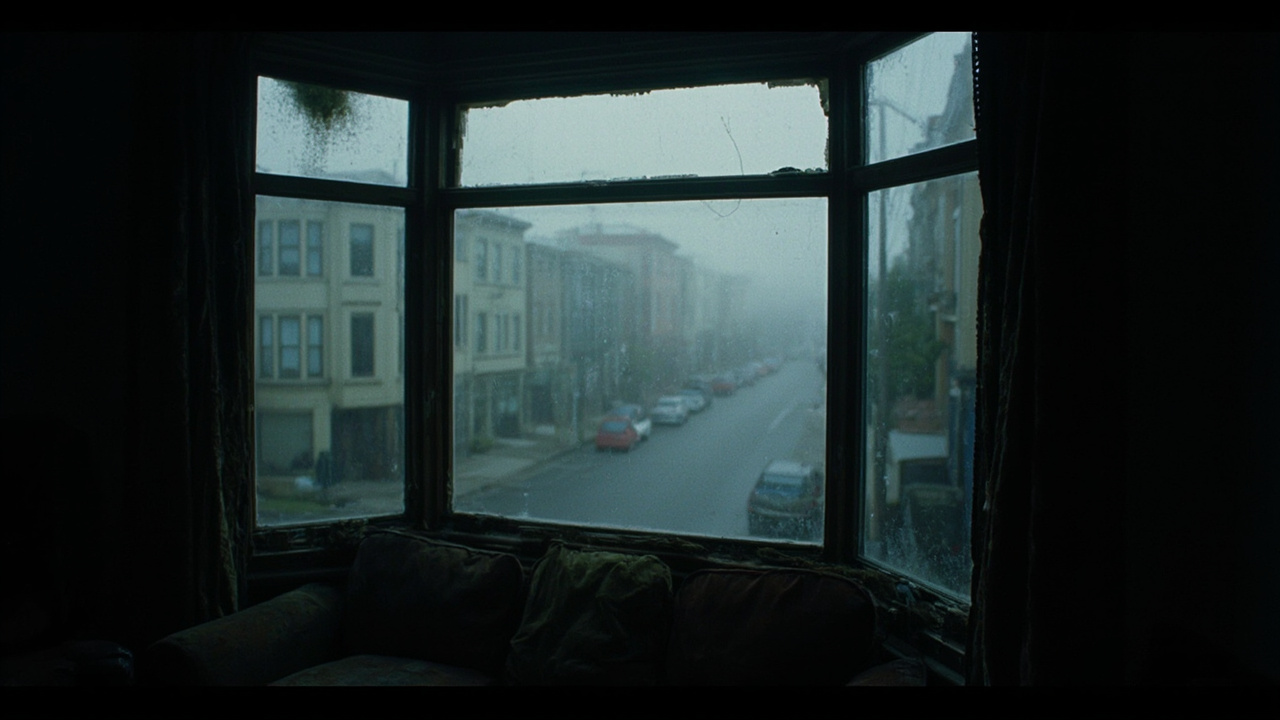


San Francisco's western neighborhoods experience fog up to 108 days per year, with the Sunset and Richmond Districts seeing the highest concentration. This marine layer keeps outdoor humidity between 70 and 90 percent for extended periods. When your HVAC system pulls in outdoor air for ventilation, it introduces moisture faster than the equipment can remove it. Homes built before 1980 lack vapor barriers in walls and crawl spaces, allowing this humid air to penetrate building materials. The result is sustained indoor humidity above 60 percent, the threshold where mold growth accelerates and dust mite populations explode. Properties near Golden Gate Park and Ocean Beach face the worst conditions because fog lingers longest at lower elevations near the coast.
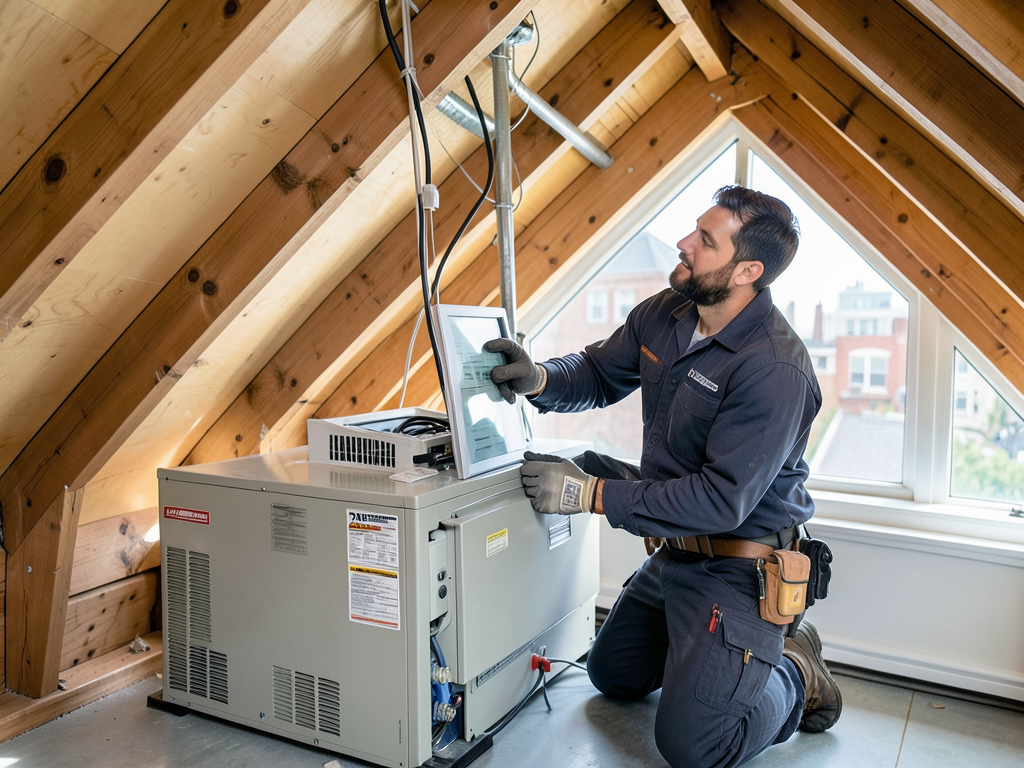
San Francisco's strict energy codes under Title 24 require balanced ventilation in newer construction, but many contractors install undersized equipment to cut costs. An energy recovery ventilator rated for 1,500 square feet gets installed in a 2,200 square foot home because it meets minimum code requirements on paper. The system cannot exchange air fast enough to control moisture during peak loads. Atlas HVAC San Francisco works with local building inspectors regularly and understands how to specify equipment that meets both code requirements and real-world performance needs. We also navigate San Francisco's permit requirements for HVAC modifications, ensuring all work passes inspection the first time. When you hire local experts who understand both the climate and the regulations, you get solutions that actually work instead of band-aids that fail within months.