
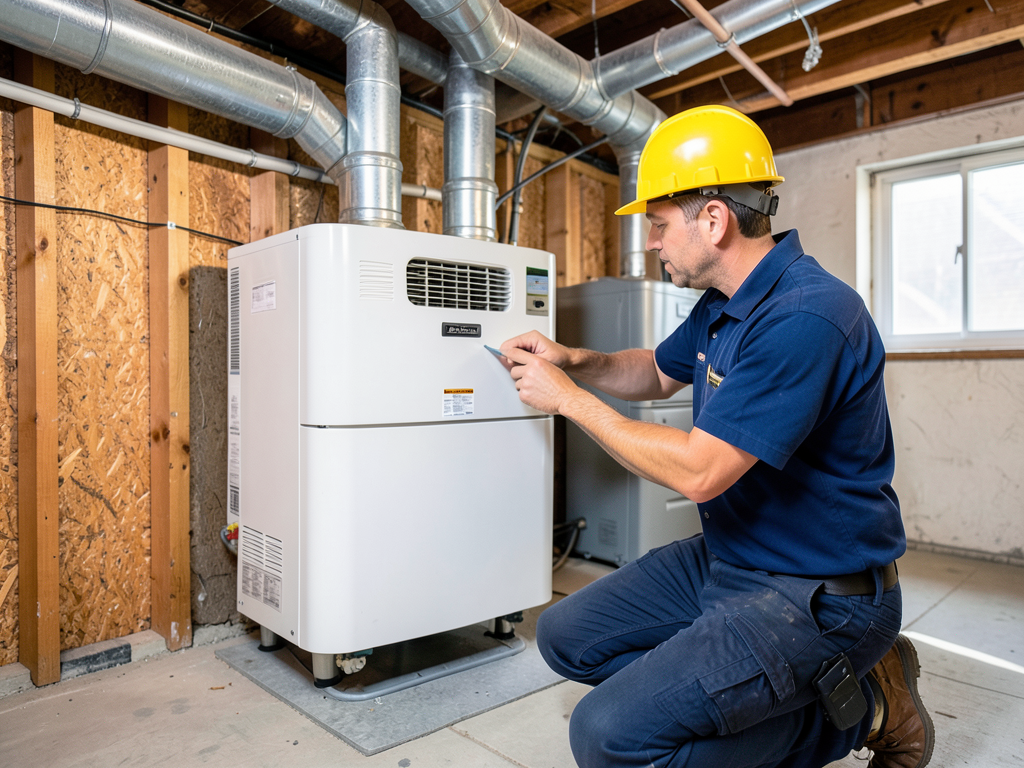
Getting Rid of That Damp Basement Smell in Your Excelsior District Home
That musty, earthy smell coming from your basement isn’t just unpleasant—it’s your home telling you something’s wrong. In the Excelsior District, where fog rolls in almost daily and many homes sit on older foundations, that damp basement odor is a common problem that can signal bigger issues like mold growth or poor ventilation.. Read more about Preventing Mold Growth in Your Inner Sunset Home with Better HVAC Ventilation.
The good news is that you can eliminate that smell permanently with the right approach. This guide walks you through exactly what causes that odor, how to diagnose the specific problem in your home, and the most effective solutions—from quick DIY fixes to professional HVAC installations that tackle the root cause. Professional Commercial HVAC Maintenance for SOMA Office Buildings.
Why Your Excelsior Basement Smells Damp
The Excelsior District sits in a unique microclimate where the marine layer from the Pacific Ocean meets the warmer inland air. This creates persistent humidity levels that older homes weren’t designed to handle. Many Excelsior homes were built in the early 1900s with wood-frame construction and minimal vapor barriers—perfect conditions for moisture problems.
San Francisco’s average relative humidity hovers around 70-80%, well above the 30-50% range recommended for healthy indoor air. When that moist air meets cool basement walls or concrete floors, condensation forms. Add in the fact that many Excelsior homes have partial basements or crawl spaces with dirt floors, and you’ve got a recipe for that distinctive musty smell.
The odor itself comes from microbial volatile organic compounds (MVOCs) released by mold and mildew as they grow. These compounds aren’t just smelly—they can trigger allergies and respiratory issues, especially in children and older adults.
What’s Actually Causing That Smell?
Before you can fix the problem, you need to know what you’re dealing with. Here are the most common sources of damp basement odors in Excelsior homes:
- Mold and mildew growth on walls, floors, or stored items
- Standing water from foundation leaks or poor drainage
- Sewer gas from dried-out drain traps or cracked pipes
- Damp insulation or wood framing that’s started to rot
- Efflorescence – that white powdery substance on concrete walls indicating water seepage
Here’s a quick diagnostic test: Walk through your basement and note where the smell is strongest. If it’s near floor drains, you might have sewer gas issues. If it’s concentrated on exterior walls, you’re likely dealing with moisture intrusion. A smell that seems to come from everywhere often indicates poor overall ventilation.
Quick Fixes You Can Try Today
Before calling in professionals, try these immediate steps that often provide noticeable relief within 24-48 hours:
- Check and clean floor drains
Pour a gallon of water down each floor drain to refill the P-trap. Add a tablespoon of mineral oil to slow evaporation. This blocks sewer gases from entering your basement.
- Remove standing water sources
Check for leaky pipes, condensation on AC lines, or water pooling near foundation walls. Even small amounts of moisture feed mold growth.
- Clean affected surfaces
Mix one cup of white vinegar with one gallon of warm water. Scrub concrete floors and walls, then let air dry completely. The vinegar kills surface mold and neutralizes odors.
- Improve air circulation
Set up box fans to create cross-ventilation. Open any basement windows during dry, sunny afternoons when humidity drops below 60%.
These steps address symptoms, not causes. If the smell returns within a week, you need to look at mechanical solutions.. Read more about Heating and Cooling Solutions for San Francisco Garden Suites and In Law Units.
Professional HVAC Solutions for Excelsior Homes
When DIY methods fail, it’s time to address the underlying moisture and air quality issues with professional HVAC equipment. Here are the most effective solutions for Excelsior District homes:
Whole-Home Dehumidifiers
Portable dehumidifiers are like using a garden hose to put out a house fire—they’re underpowered for the job. Whole-home dehumidifiers integrate with your existing HVAC system to maintain optimal humidity levels throughout your entire house.
These units can remove 70-100 pints of moisture per day, compared to 30-50 pints for the best portable models. They also include washable filters that capture mold spores and other allergens, improving your indoor air quality while eliminating the conditions that cause that damp smell.
For Excelsior homes, we recommend models with built-in humidistats that automatically adjust based on outdoor conditions. This is crucial because San Francisco’s humidity fluctuates dramatically—from foggy mornings at 90% RH to sunny afternoons at 50% RH.
Energy Recovery Ventilators (ERVs)
San Francisco’s building codes, specifically San Francisco Building Code Section 801, require proper ventilation in enclosed spaces. ERVs provide fresh air exchange while recovering energy from outgoing air, making them perfect for Excelsior’s climate.
These systems continuously replace stale, moisture-laden basement air with fresh outdoor air. The energy recovery core transfers heat and moisture between incoming and outgoing air streams, so you’re not wasting energy heating or cooling replacement air. Who to Call for 24 Hour Emergency Heating Repair in San Francisco.
ERVs are particularly effective in Excelsior because they handle the constant moisture load from the marine layer without overcooling your space in summer or drying it out too much in winter.
Duct Sealing and Insulation
Leaky ductwork in basements creates negative pressure that pulls in humid outdoor air through cracks in your foundation. This is especially problematic in Excelsior’s older homes where ducts often run through unconditioned crawl spaces.
Professional duct sealing using mastic or metal tape can reduce air leakage by 15-20%. Combined with proper insulation of ducts in unconditioned spaces, this prevents the temperature differential that causes condensation on duct surfaces.
Look for contractors who use duct blaster testing to verify sealing effectiveness. This diagnostic test measures airflow leakage and ensures your system isn’t contributing to basement moisture problems.
San Francisco-Specific Challenges and Solutions
The Excelsior District faces unique moisture challenges that require specialized approaches. Here’s what makes your neighborhood different and how to address it:
The Marine Layer Effect: Excelsior sits at a slightly higher elevation than nearby neighborhoods, which means morning fog often lingers until late morning. This creates a daily moisture cycle where humidity spikes between 4-10 AM, then drops in the afternoon. Your HVAC system needs to handle these rapid changes.
Soil Composition: Much of Excelsior sits on Franciscan Complex bedrock with clay-rich soils that expand when wet and contract when dry. This movement can crack foundation walls, creating entry points for moisture. Homes built before 1940 often lack proper drainage systems around foundations.
Building Age: Over 60% of Excelsior homes were built before 1950, according to US Census data. These older structures typically have single-pane windows, minimal insulation, and no vapor barriers—all contributing to moisture problems.
Microclimate Variations: Even within Excelsior, conditions vary. Homes near McLaren Park experience more fog and wind, while those closer to Mission Street see higher temperatures but similar humidity levels. Your solution should account for your specific location within the neighborhood.
Long-Term Prevention Strategies
Once you’ve eliminated the current odor, prevent it from returning with these maintenance and upgrade strategies:
Annual HVAC Maintenance Schedule
Schedule professional HVAC maintenance twice yearly—once before the rainy season and once before summer fog season. During these visits, technicians should:
- Check and clean condensate drains and pans
- Test humidity control system operation
- Inspect ductwork for leaks or moisture damage
- Clean or replace air filters
- Verify proper system sizing for your home’s current conditions
Many Excelsior homeowners find that their HVAC systems were sized for the home’s original construction, not for today’s tighter building envelopes and higher moisture loads.
Foundation and Drainage Improvements
Even the best HVAC system can’t overcome structural moisture problems. Consider these upgrades if you continue experiencing issues:
- French drains around foundation perimeter to divert groundwater
- Sump pump installation if water table is high in your area
- Vapor barrier installation in crawl spaces to block ground moisture
- Foundation crack repair using hydraulic cement or epoxy injection
These improvements work synergistically with your HVAC equipment to create a dry, healthy basement environment.
When to Call a Professional
Some moisture problems require expert diagnosis and equipment. Call a professional if you notice:
- Persistent musty smell despite trying the quick fixes above
- Visible mold growth covering more than 10 square feet
- Water stains on walls or ceilings that keep returning
- Condensation on windows or pipes that doesn’t evaporate
- Health symptoms like persistent coughing, headaches, or allergy flare-ups that improve when you leave home
Professional moisture assessment typically includes thermal imaging to detect hidden water sources, moisture meter readings at multiple depths, and air quality testing for mold spores and MVOCs.
Look for contractors with certifications from the EPA (for lead-safe practices in older homes) and the Air Conditioning Contractors of America. These credentials ensure they understand the specific requirements for working in San Francisco’s older housing stock.
Cost Considerations and ROI
Investing in proper moisture control isn’t just about comfort—it’s about protecting your home’s value and your family’s health. Here’s what you can expect to invest:
| Solution | Typical Cost Range | Expected Lifespan | Annual Energy Impact |
|---|---|---|---|
| Whole-home dehumidifier | $2,500 – $4,500 | 8-12 years | +$50-100/year |
| ERV installation | $3,000 – $6,000 | 15-20 years | -$50-150/year (savings) |
| Duct sealing and insulation | $1,500 – $3,500 | 10-15 years | -$100-300/year |
While the upfront costs seem significant, consider the alternative: mold remediation can cost $5,000-$25,000 depending on severity, and structural repairs from water damage often exceed $10,000. Plus, many of these improvements qualify for energy efficiency rebates through PG&E and the California Energy Commission.
Frequently Asked Questions
Is that damp smell dangerous for my health?
Yes, it can be. The compounds causing that musty odor (MVOCs) can trigger respiratory issues, headaches, and allergic reactions. More concerning is that the conditions causing the smell—persistent moisture and organic material—create ideal conditions for toxic mold growth like Stachybotrys (black mold).
How long does it take to eliminate the smell completely?
With proper HVAC solutions, you should notice improvement within 24-48 hours and complete elimination within 1-2 weeks. The exact timeline depends on the severity of the problem and whether you’re addressing just symptoms or root causes.
Will a portable air purifier help with the basement smell?
Air purifiers can help remove airborne particles and some odors, but they don’t address the moisture that causes the problem. Think of them as treating symptoms rather than curing the disease. For persistent basement odors, you need to control humidity at the source.
Should I be concerned about radon in my Excelsior basement?
Radon levels in San Francisco are generally low due to the area’s geology, but it’s still wise to test if you spend significant time in your basement. Many HVAC contractors offer combined radon and moisture testing packages for around $150-$200.
Take Action Today
That damp basement smell isn’t going to fix itself. Every day you wait, moisture continues to damage your home’s structure and potentially affect your family’s health. The solution might be simpler than you think—often a properly sized dehumidifier or improved ventilation system can eliminate the problem entirely.
Ready to breathe easier in your Excelsior home? Call (628) 201-6600 today to schedule your inspection. Our technicians understand the unique challenges of San Francisco’s climate and can recommend the most effective, energy-efficient solution for your specific situation. Don’t let another foggy morning add to your moisture problems—pick up the phone and call (628) 201-6600 before the next storm hits. Quiet and Efficient Furnace Replacement Options for Pacific Heights Residents.
Your home should be a sanctuary, not a source of health concerns. With the right HVAC solutions, you can eliminate that damp basement smell permanently and enjoy cleaner, healthier air throughout your entire home.
{
“@context”: “https://schema.org”,
“@type”: “BlogPosting”,
“headline”: “Getting Rid of That Damp Basement Smell in Your Excelsior District Home”,
“description”: “Tired of that musty basement smell in your Excelsior home? Learn how San Francisco’s coastal climate affects indoor air quality and what HVAC solutions actually work.”,
“wordCount”: 1914,
“datePublished”: “2026-04-07T10:35:00.000Z”,
“dateModified”: “2026-04-07T10:35:00.000Z”,
“inLanguage”: “en-US”,
“mainEntityOfPage”: {
“@type”: “WebPage”,
“@id”: “https://atlashvacsanfrancisco.com”
},
“publisher”: {
“@type”: “LocalBusiness”,
“name”: “Atlas HVAC San Francisco”,
“url”: “https://atlashvacsanfrancisco.com”
},
“author”: {
“@type”: “Organization”,
“name”: “Atlas HVAC San Francisco”,
“url”: “https://atlashvacsanfrancisco.com”
},
“image”: {
“@type”: “ImageObject”,
“url”: “https://atlashvacsanfrancisco.com/wp-content/uploads/2026/03/getting-rid-of-that-damp-basement-smell-in-your-ex-1.png”
}
}
{
“@context”: “https://schema.org”,
“@type”: “HVACBusiness”,
“name”: “Atlas HVAC San Francisco”,
“url”: “https://atlashvacsanfrancisco.com”,
“address”: {
“@type”: “PostalAddress”,
“addressLocality”: “San Francisco”
},
“areaServed”: {
“@type”: “City”,
“name”: “San Francisco”
}
}
{
“@context”: “https://schema.org”,
“@type”: “FAQPage”,
“mainEntity”: [
{
“@type”: “Question”,
“name”: “What’s Actually Causing That Smell?”,
“acceptedAnswer”: {
“@type”: “Answer”,
“text”: “Before you can fix the problem, you need to know what you’re dealing with. Here are the most common sources of damp basement odors in Excelsior homes:”
}
},
{
“@type”: “Question”,
“name”: “Is that damp smell dangerous for my health?”,
“acceptedAnswer”: {
“@type”: “Answer”,
“text”: “Yes, it can be. The compounds causing that musty odor (MVOCs) can trigger respiratory issues, headaches, and allergic reactions. More concerning is that the conditions causing the smell—persistent moisture and organic material—create ideal conditions for toxic mold growth like Stachybotrys (black mold).”
}
},
{
“@type”: “Question”,
“name”: “How long does it take to eliminate the smell completely?”,
“acceptedAnswer”: {
“@type”: “Answer”,
“text”: “With proper HVAC solutions, you should notice improvement within 24-48 hours and complete elimination within 1-2 weeks. The exact timeline depends on the severity of the problem and whether you’re addressing just symptoms or root causes.”
}
},
{
“@type”: “Question”,
“name”: “Will a portable air purifier help with the basement smell?”,
“acceptedAnswer”: {
“@type”: “Answer”,
“text”: “Air purifiers can help remove airborne particles and some odors, but they don’t address the moisture that causes the problem. Think of them as treating symptoms rather than curing the disease. For persistent basement odors, you need to control humidity at the source.”
}
},
{
“@type”: “Question”,
“name”: “Should I be concerned about radon in my Excelsior basement?”,
“acceptedAnswer”: {
“@type”: “Answer”,
“text”: “Radon levels in San Francisco are generally low due to the area’s geology, but it’s still wise to test if you spend significant time in your basement. Many HVAC contractors offer combined radon and moisture testing packages for around $150-$200.”
}
}
]
}
{
“@context”: “https://schema.org”,
“@type”: “HowTo”,
“name”: “Immediate Basement Odor Solutions”,
“step”: [
{
“@type”: “HowToStep”,
“position”: 1,
“name”: “Check and clean floor drains”,
“text”: “Pour a gallon of water down each floor drain to refill the P-trap. Add a tablespoon of mineral oil to slow evaporation. This blocks sewer gases from entering your basement.”
},
{
“@type”: “HowToStep”,
“position”: 2,
“name”: “Remove standing water sources”,
“text”: “Check for leaky pipes, condensation on AC lines, or water pooling near foundation walls. Even small amounts of moisture feed mold growth.”
},
{
“@type”: “HowToStep”,
“position”: 3,
“name”: “Clean affected surfaces”,
“text”: “Mix one cup of white vinegar with one gallon of warm water. Scrub concrete floors and walls, then let air dry completely. The vinegar kills surface mold and neutralizes odors.”
},
{
“@type”: “HowToStep”,
“position”: 4,
“name”: “Improve air circulation”,
“text”: “Set up box fans to create cross-ventilation. Open any basement windows during dry, sunny afternoons when humidity drops below 60%.”
}
],
“image”: “https://atlashvacsanfrancisco.com/wp-content/uploads/2026/03/getting-rid-of-that-damp-basement-smell-in-your-ex-1.png”
}
{
“@context”: “https://schema.org”,
“@type”: “BreadcrumbList”,
“itemListElement”: [
{
“@type”: “ListItem”,
“position”: 1,
“name”: “Home”,
“item”: “https://atlashvacsanfrancisco.com”
},
{
“@type”: “ListItem”,
“position”: 2,
“name”: “Blog”,
“item”: “https://atlashvacsanfrancisco.com/blog”
},
{
“@type”: “ListItem”,
“position”: 3,
“name”: “Getting Rid of That Damp Basement Smell in Your Excelsior District Home”
}
]
}
{
“@context”: “https://schema.org”,
“@type”: “Service”,
“serviceType”: “HVAC”,
“provider”: {
“@type”: “LocalBusiness”,
“name”: “Atlas HVAC San Francisco”,
“url”: “https://atlashvacsanfrancisco.com”
},
“areaServed”: {
“@type”: “City”,
“name”: “San Francisco”
},
“description”: “Tired of that musty basement smell in your Excelsior home? Learn how San Francisco’s coastal climate affects indoor air quality and what HVAC solutions actually work.”
}