
Stop Fighting Over the Thermostat with a Multi Zone HVAC Setup
Multi-zone HVAC systems eliminate the battle over the thermostat by delivering customized heating and cooling to different areas of your San Francisco home. Instead of one thermostat controlling the entire house, motorized dampers in your ductwork route conditioned air exactly where it’s needed. This means your upstairs bedroom can stay cool while the downstairs living room remains warm, all from the same system. For San Francisco’s unique climate and historic architecture, zoning provides both comfort and significant energy savings. Who to Call for 24 Hour Emergency Heating Repair in San Francisco.
How Multi Zone HVAC Systems Actually Work
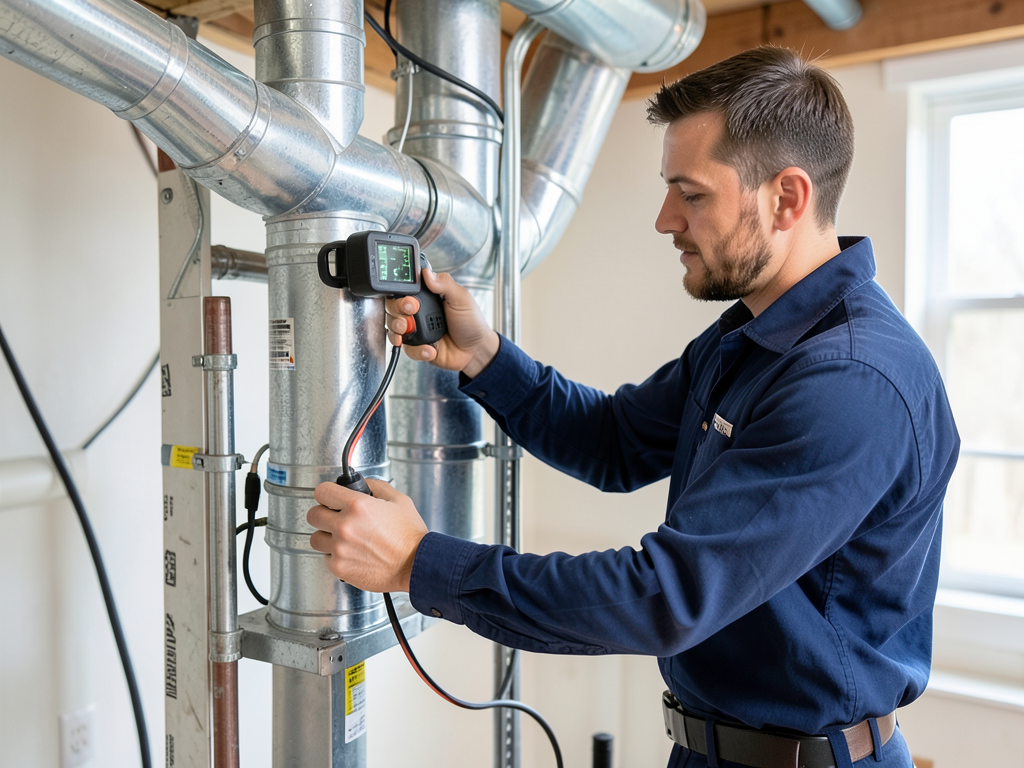
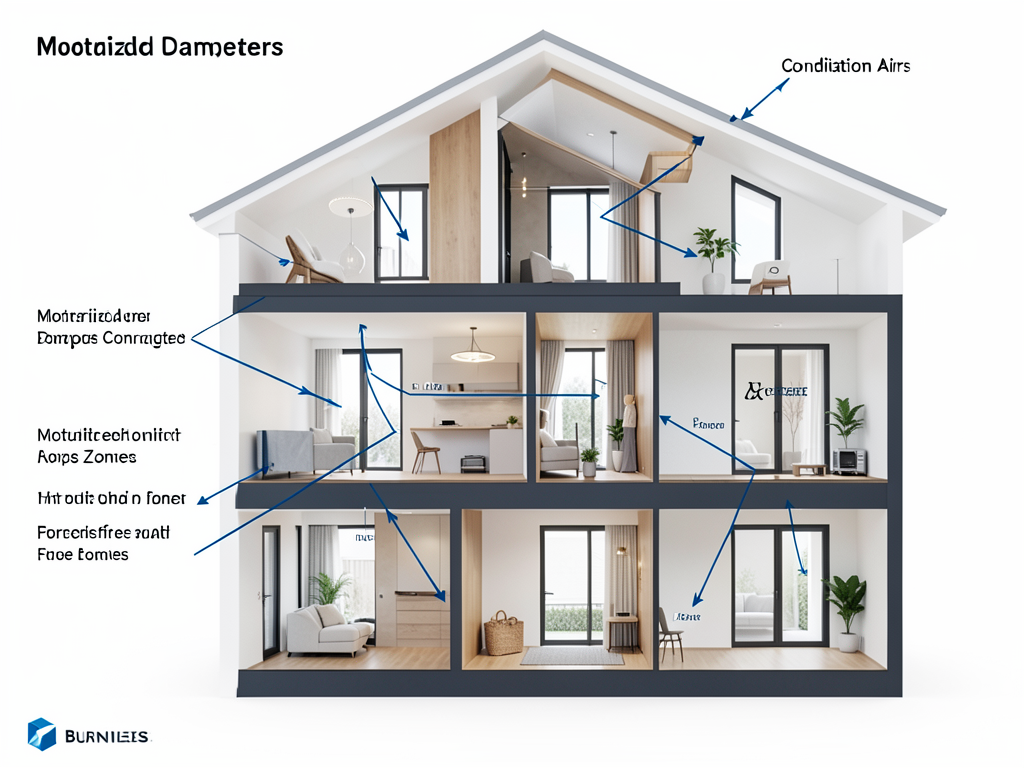
A multi-zone HVAC system uses motorized dampers installed inside your existing ductwork. These dampers open and close automatically based on signals from independent thermostats in each zone. When the upstairs zone calls for cooling, only the dampers serving that area open while others remain closed. A bypass damper prevents dangerous pressure buildup in the ducts when most zones are closed. Modern control panels communicate with all thermostats and dampers to maintain precise temperatures throughout your home. The Best Way to Install Heat Pumps in Historic San Francisco Victorians.
Key Components That Make Zoning Possible
- Motorized zone dampers that control airflow to specific areas
- Independent thermostats for each zone with remote sensors
- Control panel that coordinates all zone operations
- Bypass damper and duct to relieve excess pressure
- Variable-speed air handler that adjusts output based on demand
Why San Francisco Homes Need Zoning More Than Other Cities
San Francisco’s unique combination of historic architecture and microclimates makes zoning essential. Victorian and Edwardian homes built over a century ago were designed for natural ventilation, not modern HVAC. These narrow, multi-story structures create significant temperature differences between floors. Heat naturally rises to upper levels while ground floors stay cold. Add San Francisco’s famous microclimates where the foggy Richmond District can be 15 degrees cooler than sunny Noe Valley, and you have a recipe for constant thermostat battles.. Read more about The Best Spot to Install Your Thermostat for Accurate Readings in an SF Layout.
Energy Savings That Make Zoning Worth the Investment
Multi-zone systems can reduce energy consumption by 20-30% compared to single-zone setups. When you’re not heating or cooling empty rooms, you save money immediately. The U.S. Department of Energy reports that zoning can cut HVAC energy use by up to 30% when properly installed. In San Francisco’s expensive utility market, these savings add up quickly. A typical 2,000 square foot home can save $400-600 annually on energy bills after zoning installation. U.S. Department of Energy HVAC efficiency.
Real Cost-Benefit Analysis for SF Homeowners
The average multi-zone retrofit costs $3,000-5,000 in San Francisco, depending on your home’s size and existing ductwork. Compare this to installing a completely new HVAC system at $8,000-12,000. Zoning typically pays for itself in 3-5 years through energy savings alone. Factor in the priceless benefit of no more family arguments over temperature settings, and the investment becomes even more attractive.
Smart Thermostat Integration for Maximum Control
Modern zoning systems integrate seamlessly with smart thermostats like Nest, Ecobee, and Honeywell. These devices learn your schedule and automatically adjust temperatures in each zone. You can control everything from your smartphone, setting the upstairs to cool down an hour before bedtime while keeping the downstairs comfortable for evening activities. Some systems even integrate with whole-home automation platforms for truly intelligent climate control.
Installation Process: What to Expect in Your San Francisco Home
Professional installation typically takes 1-2 days for a standard retrofit. The process starts with a comprehensive home assessment where technicians evaluate your existing ductwork, calculate proper zone sizes, and determine optimal thermostat locations. Next comes the installation of motorized dampers, control wiring, and new thermostats. Finally, the system undergoes rigorous testing to ensure all zones communicate properly and maintain consistent temperatures. Professional Commercial HVAC Maintenance for SOMA Office Buildings.
- Home Assessment and Load Calculation
Technicians perform Manual J calculations to determine proper zone sizing and evaluate existing ductwork for compatibility.
- Ductwork Modifications
Motorized dampers are installed at zone boundaries, and bypass ducts are added where needed to prevent pressure issues.
- Control System Installation
Zone control panels, thermostats, and communication wiring are installed and configured for your specific home layout.
- System Testing and Calibration
Technicians verify proper airflow, temperature control, and system response across all zones.
California Title 24 Compliance and Energy Efficiency
California’s Title 24 Building Energy Efficiency Standards require specific efficiency levels for HVAC systems. Multi-zone setups often exceed these requirements by allowing precise control over energy usage. The California Energy Commission recognizes zoning as an effective strategy for meeting or exceeding Title 24 standards. When you install a zoned system, you’re not just improving comfort—you’re ensuring your home meets the state’s strict energy efficiency requirements. California Title 24 Building Standards.
Common Zoning Mistakes to Avoid
Improper zoning can actually increase energy costs and reduce comfort. Common mistakes include creating zones that are too large or too small, failing to install proper bypass systems, and using incompatible equipment. Always work with experienced HVAC contractors who understand San Francisco’s unique building challenges. Avoid DIY zoning kits that promise easy installation but often result in poor performance and system damage.. Read more about How to Find a Mitsubishi Diamond Contractor for Your San Francisco Home.
PG&E Rebates and Incentives for Zoning Systems
PG&E offers rebates for high-efficiency HVAC equipment that often apply to multi-zone systems. These rebates can reduce your installation costs by $200-500. Additionally, California’s Self-Generation Incentive Program (SGIP) may provide further incentives for systems that integrate with solar or battery storage. Check with your contractor about current rebate programs, as they change frequently based on available funding.
Maintenance Requirements for Long-Term Performance
Multi-zone systems require regular maintenance to ensure optimal performance. This includes annual inspections of motorized dampers, cleaning of zone control panels, and calibration of thermostats. Most San Francisco homeowners schedule maintenance twice yearly—once before cooling season and once before heating season. Proper maintenance extends system life to 15-20 years and prevents costly repairs. Fast and Affordable AC Repair Services in Daly City and South San Francisco.
Is Your Home a Good Candidate for Zoning?
Multi-story homes with significant temperature differences between floors are ideal candidates. Homes over 2,000 square feet, properties with large open areas combined with private spaces, and houses with varying sun exposure all benefit from zoning. However, homes with very old or damaged ductwork may need repairs before zoning installation. A professional assessment can determine if your specific home layout makes zoning practical.
Frequently Asked Questions
Can I add zoning to my existing HVAC system?
Yes, most forced-air systems can be retrofitted with zoning equipment. The feasibility depends on your ductwork condition, system age, and home layout. A professional assessment will determine if your existing equipment can support zoning or if upgrades are needed.
How many zones does my home need?
Most San Francisco homes benefit from 2-4 zones. Common configurations include upstairs/downstairs, living areas/sleeping areas, or zones based on sun exposure. The optimal number depends on your home’s size, layout, and how different areas are used throughout the day.
Will zoning work with my smart home system?
Modern zoning systems integrate with most major smart home platforms including Google Home, Amazon Alexa, and Apple HomeKit. Many systems also work with dedicated home automation controllers for advanced scheduling and energy management.
Ready to Stop the Thermostat Wars?
Don’t spend another season fighting over the thermostat. Multi-zone HVAC systems provide customized comfort while reducing energy costs in your San Francisco home. The investment pays for itself through lower utility bills and improved quality of life. Call (628) 201-6600 today to schedule your free home assessment and learn how zoning can transform your comfort.
Call (628) 201-6600 Today for Your Zoning Consultation
Our experienced technicians understand San Francisco’s unique HVAC challenges. We’ll evaluate your home’s specific needs and design a zoning solution that eliminates hot and cold spots while maximizing energy efficiency. Don’t wait for the next season of thermostat battles—take control of your home’s comfort now.
You may also find this helpful. Better Air Circulation Tips for High Rise Residents in the Transbay District.
You may also find this helpful. Expert Boiler Replacement and Hydronic Heating for St. Francis Wood Estates.
{
“@context”: “https://schema.org”,
“@type”: “BlogPosting”,
“headline”: “Stop Fighting Over the Thermostat with a Multi Zone HVAC Setup”,
“description”: “Tired of battling over the thermostat in your San Francisco home? Learn how multi-zone HVAC systems deliver custom comfort to every floor and slash energy bills.”,
“wordCount”: 1314,
“datePublished”: “2026-04-03T13:55:00.000Z”,
“dateModified”: “2026-04-03T13:55:00.000Z”,
“inLanguage”: “en-US”,
“mainEntityOfPage”: {
“@type”: “WebPage”,
“@id”: “https://atlashvacsanfrancisco.com”
},
“publisher”: {
“@type”: “LocalBusiness”,
“name”: “Atlas HVAC San Francisco”,
“url”: “https://atlashvacsanfrancisco.com”
},
“author”: {
“@type”: “Organization”,
“name”: “Atlas HVAC San Francisco”,
“url”: “https://atlashvacsanfrancisco.com”
},
“image”: {
“@type”: “ImageObject”,
“url”: “https://atlashvacsanfrancisco.com/wp-content/uploads/2026/03/stop-fighting-over-the-thermostat-with-a-multi-zon-1.png”
}
}
{
“@context”: “https://schema.org”,
“@type”: “HVACBusiness”,
“name”: “Atlas HVAC San Francisco”,
“url”: “https://atlashvacsanfrancisco.com”,
“address”: {
“@type”: “PostalAddress”,
“addressLocality”: “San Francisco”
},
“areaServed”: {
“@type”: “City”,
“name”: “San Francisco”
}
}
{
“@context”: “https://schema.org”,
“@type”: “FAQPage”,
“mainEntity”: [
{
“@type”: “Question”,
“name”: “Is Your Home a Good Candidate for Zoning?”,
“acceptedAnswer”: {
“@type”: “Answer”,
“text”: “Multi-story homes with significant temperature differences between floors are ideal candidates. Homes over 2,000 square feet, properties with large open areas combined with private spaces, and houses with varying sun exposure all benefit from zoning. However, homes with very old or damaged ductwork may need repairs before zoning installation. A professional assessment can determine if your specific home layout makes zoning practical.”
}
},
{
“@type”: “Question”,
“name”: “Can I add zoning to my existing HVAC system?”,
“acceptedAnswer”: {
“@type”: “Answer”,
“text”: “Yes, most forced-air systems can be retrofitted with zoning equipment. The feasibility depends on your ductwork condition, system age, and home layout. A professional assessment will determine if your existing equipment can support zoning or if upgrades are needed.”
}
},
{
“@type”: “Question”,
“name”: “How many zones does my home need?”,
“acceptedAnswer”: {
“@type”: “Answer”,
“text”: “Most San Francisco homes benefit from 2-4 zones. Common configurations include upstairs/downstairs, living areas/sleeping areas, or zones based on sun exposure. The optimal number depends on your home’s size, layout, and how different areas are used throughout the day.”
}
},
{
“@type”: “Question”,
“name”: “Will zoning work with my smart home system?”,
“acceptedAnswer”: {
“@type”: “Answer”,
“text”: “Modern zoning systems integrate with most major smart home platforms including Google Home, Amazon Alexa, and Apple HomeKit. Many systems also work with dedicated home automation controllers for advanced scheduling and energy management.”
}
},
{
“@type”: “Question”,
“name”: “Ready to Stop the Thermostat Wars?”,
“acceptedAnswer”: {
“@type”: “Answer”,
“text”: “Don’t spend another season fighting over the thermostat. Multi-zone HVAC systems provide customized comfort while reducing energy costs in your San Francisco home. The investment pays for itself through lower utility bills and improved quality of life. Call (628) 201-6600 today to schedule your free home assessment and learn how zoning can transform your comfort.”
}
}
]
}
{
“@context”: “https://schema.org”,
“@type”: “HowTo”,
“name”: “Multi Zone HVAC Installation Process”,
“step”: [
{
“@type”: “HowToStep”,
“position”: 1,
“name”: “Home Assessment and Load Calculation”,
“text”: “Technicians perform Manual J calculations to determine proper zone sizing and evaluate existing ductwork for compatibility.”
},
{
“@type”: “HowToStep”,
“position”: 2,
“name”: “Ductwork Modifications”,
“text”: “Motorized dampers are installed at zone boundaries, and bypass ducts are added where needed to prevent pressure issues.”
},
{
“@type”: “HowToStep”,
“position”: 3,
“name”: “Control System Installation”,
“text”: “Zone control panels, thermostats, and communication wiring are installed and configured for your specific home layout.”
},
{
“@type”: “HowToStep”,
“position”: 4,
“name”: “System Testing and Calibration”,
“text”: “Technicians verify proper airflow, temperature control, and system response across all zones.”
}
],
“image”: “https://atlashvacsanfrancisco.com/wp-content/uploads/2026/03/stop-fighting-over-the-thermostat-with-a-multi-zon-1.png”
}
{
“@context”: “https://schema.org”,
“@type”: “BreadcrumbList”,
“itemListElement”: [
{
“@type”: “ListItem”,
“position”: 1,
“name”: “Home”,
“item”: “https://atlashvacsanfrancisco.com”
},
{
“@type”: “ListItem”,
“position”: 2,
“name”: “Blog”,
“item”: “https://atlashvacsanfrancisco.com/blog”
},
{
“@type”: “ListItem”,
“position”: 3,
“name”: “Stop Fighting Over the Thermostat with a Multi Zone HVAC Setup”
}
]
}
{
“@context”: “https://schema.org”,
“@type”: “Service”,
“serviceType”: “HVAC”,
“provider”: {
“@type”: “LocalBusiness”,
“name”: “Atlas HVAC San Francisco”,
“url”: “https://atlashvacsanfrancisco.com”
},
“areaServed”: {
“@type”: “City”,
“name”: “San Francisco”
},
“description”: “Tired of battling over the thermostat in your San Francisco home? Learn how multi-zone HVAC systems deliver custom comfort to every floor and slash energy bills.”
}