
Water Leaking Near Your Furnace? It Might Be a Clogged Condensate Line
Finding water pooling around your furnace can be alarming especially in San Francisco where many homes have tight crawl spaces or basement installations. The good news is that a clogged condensate line is one of the most common and fixable causes of furnace leaks. This article will help you understand why this happens how to identify the problem and when it is time to call a professional. Professional Commercial HVAC Maintenance for SOMA Office Buildings.
Immediate Safety Steps to Take
Before investigating further turn off the power to your furnace at the breaker box. If you have a gas furnace also shut off the gas supply valve. Water near electrical components creates a serious shock hazard and gas leaks can be deadly. Do not touch any standing water with your bare hands. If you smell gas or hear a hissing sound leave your home immediately and call emergency services from outside. Who to Call for 24 Hour Emergency Heating Repair in San Francisco.
Is Your Furnace High-Efficiency or Standard?
The type of furnace you have determines how it handles condensation. High-efficiency furnaces with an Annual Fuel Utilization Efficiency rating of 90% or higher produce significant condensation during operation. These units have a secondary heat exchanger that extracts extra heat from exhaust gases creating water vapor that must be drained away through PVC pipes. Standard furnaces vent hot exhaust through metal pipes and rarely produce condensation unless there is a serious issue with the heat exchanger.. Read more about Keeping Your Furnace Pilot Light from Blowing Out in Windy Twin Peaks Homes.
5 Common Causes of Furnace Water Leaks
Understanding the source of your leak helps determine whether you need a quick fix or professional repair. Here are the five most common culprits in San Francisco homes. EPA Indoor Air Quality.
1. Clogged Condensate Drain Line
Over time algae mold and mineral deposits build up inside the narrow PVC drain line. San Francisco’s coastal humidity accelerates biological growth in these pipes. A clogged line causes water to back up and overflow from the drain pan. You might hear gurgling sounds from the drain or notice water spilling from the furnace cabinet.. Read more about Why Every San Francisco Homeowner Needs a Carbon Monoxide Detector Near Their Furnace.
2. Secondary Heat Exchanger Failure
In high-efficiency furnaces a cracked secondary heat exchanger can allow combustion gases to mix with condensate creating acidic water that eats through metal components. This is a serious issue that can release carbon monoxide into your home. The water from this type of leak often appears rusty or has a distinct chemical odor.
3. Condensate Pump Malfunction
Many San Francisco homes especially those with basement installations use condensate pumps to move water from the furnace to an exterior drain. These pumps can fail due to motor burnout or stuck float switches. When the pump stops working water backs up and overflows the collection pan. You might hear the pump running constantly or not at all. The Best Way to Install Heat Pumps in Historic San Francisco Victorians.
4. Leaking Humidifier
If your furnace has a built-in humidifier a cracked water panel or failed solenoid valve can cause continuous water leakage. The water from a leaking humidifier is usually clean and may pool near the furnace but not directly underneath it. Check for mineral deposits or white scale around the humidifier connections.
5. Internal Drain Pan Cracks
The drain pan underneath your furnace collects condensate from the evaporator coil. Over time these plastic or metal pans can crack especially in older San Francisco homes where temperature fluctuations are common. Water from a cracked pan may leak intermittently appearing worse during high humidity periods or when the system runs continuously.
The Cost of Furnace Repair in San Francisco
Repair costs in the Bay Area typically run higher than national averages due to labor rates and permit requirements. A simple condensate line cleaning usually costs between $150 and $300. Replacing a condensate pump ranges from $250 to $450 installed. More serious repairs like secondary heat exchanger replacement can cost $1,200 to $2,500. Emergency service calls during nights or weekends often include a $100 to $200 premium. Fast and Affordable AC Repair Services in Daly City and South San Francisco.
San Francisco’s building codes require permits for most furnace repairs especially those involving gas lines or electrical modifications. The Department of Building Inspection mandates that all HVAC work meet Title 24 energy efficiency standards. This means even simple repairs must comply with current efficiency requirements which can affect the total cost.. Read more about Should You Repair or Replace That Aging Furnace in Your Forest Hill Home.
DIY vs. Professional Repair
Some furnace issues are safe for homeowners to address while others require professional expertise. Here is what you can safely check yourself versus what needs a technician.
Safe DIY Checks
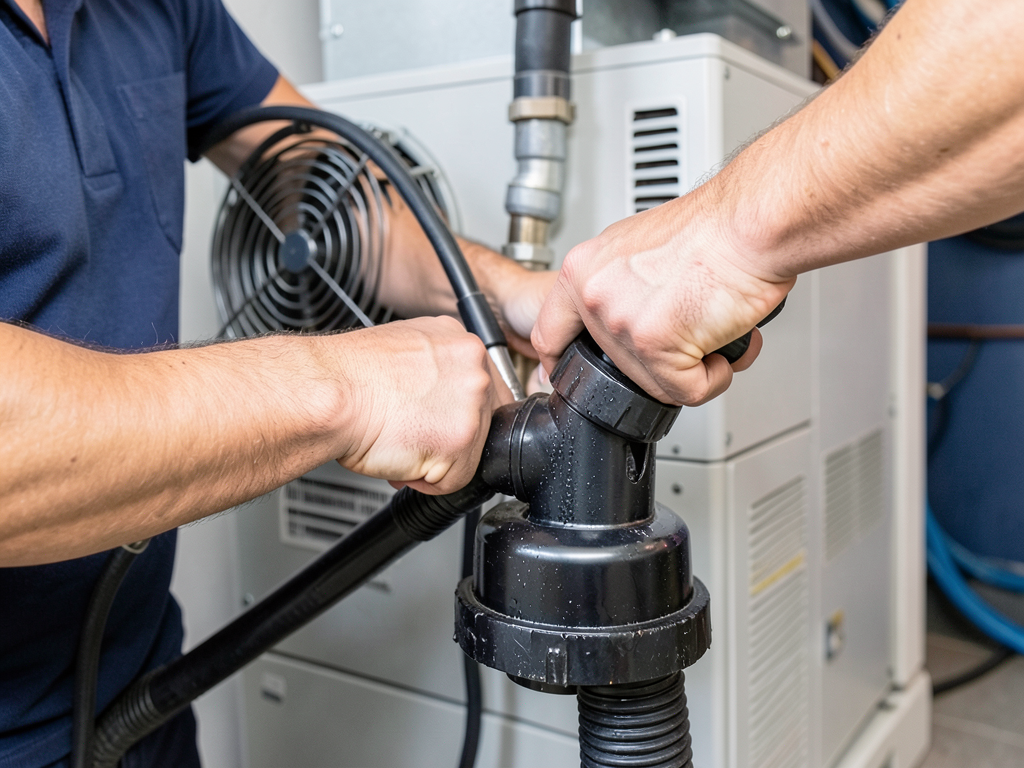
Start by examining the air filter. A clogged filter restricts airflow causing the evaporator coil to freeze and then thaw creating excess water. Replace the filter if it appears dirty. Next locate the condensate drain line usually a white PVC pipe near the furnace. If you can access it safely check for visible blockages or kinks. Some homeowners use a wet-dry vacuum to clear minor clogs but be careful not to damage the pipe.
Professional Repairs Only
Never attempt to repair gas lines electrical components or the heat exchanger yourself. These require specialized tools and knowledge to work safely. If you suspect a cracked heat exchanger or see rust around the furnace cabinet call a professional immediately. Working on these components without proper training can create carbon monoxide hazards or void your furnace warranty.
Annual Maintenance Benefits for Preventing Leaks
Regular maintenance prevents most furnace leaks and extends equipment life. A professional tune-up includes cleaning the condensate line inspecting the drain pan checking the heat exchanger and testing the condensate pump. These services typically cost $150 to $250 annually but can save thousands in emergency repairs.. Read more about Protecting Your HVAC Equipment from Corrosion in the Bayshore and Brisbane Area.
San Francisco’s coastal environment creates unique challenges for furnaces. Salt air accelerates corrosion on metal components while the region’s temperature swings cause expansion and contraction that can stress seals and connections. Annual maintenance addresses these local factors before they cause system failures.
When to Call for Emergency Service
Call for immediate service if you notice any of these warning signs. Water spreading rapidly across your floor especially near electrical outlets. Rusty or discolored water suggesting heat exchanger problems. Strange odors coming from the furnace area. The system shutting down completely and refusing to restart. If your carbon monoxide detector sounds evacuate immediately and call emergency services.
Many San Francisco HVAC companies offer same-day emergency service for water leaks. When you call describe the type of water color smell and location as accurately as possible. This helps the dispatcher send the right technician with appropriate parts.. Read more about Getting Rid of That Damp Basement Smell in Your Excelsior District Home.
Preventing Future Leaks
After fixing the immediate problem take steps to prevent future leaks. Install a condensate overflow switch that automatically shuts off the furnace if the drain line clogs again. Consider upgrading to a larger drain line if your system produces excessive condensation. Keep the area around your furnace clean and dry to make future leaks easier to spot.
For San Francisco homes consider a whole-home water alarm system that alerts you to leaks anywhere in the house. These systems can detect small amounts of water before they cause major damage to hardwood floors or drywall common in many Bay Area homes.
Understanding Your Warranty Coverage
Many furnace leaks are covered under manufacturer warranties but only if performed by licensed technicians. Attempting DIY repairs on covered components can void your warranty leaving you responsible for full repair costs. Check your warranty documentation before authorizing any repairs.
Some home warranty plans cover HVAC repairs but may require using specific service providers. Read your contract carefully to understand coverage limits and exclusions. Emergency service may not be covered or may have waiting periods.
Choosing the Right HVAC Contractor
When selecting a contractor verify their California State License Board number and check for current insurance coverage. Ask about experience with your specific furnace brand and model. A qualified technician should provide a written estimate before starting work and explain the diagnosis in terms you can understand. California Title 24 Energy Standards.
Look for contractors who offer maintenance plans and emergency service. The best companies provide upfront pricing and stand behind their work with satisfaction guarantees. Avoid contractors who pressure you into immediate decisions or recommend replacing equipment that could be repaired.
Local Building Code Considerations
San Francisco’s building codes require specific safety features for furnace installations. All high-efficiency furnaces must have proper venting to prevent carbon monoxide buildup. Condensate lines must drain to approved plumbing connections not directly outside where they could create ice hazards or water damage. The city also requires seismic bracing for all HVAC equipment to prevent tipping during earthquakes.
Permits are required for most furnace repairs especially those involving gas lines electrical modifications or changes to venting systems. Work without permits can result in fines and may complicate future home sales. A reputable contractor will handle permitting as part of the repair process.
Energy Efficiency and Your Furnace
A leaking furnace often indicates reduced efficiency. When water interferes with proper operation your system works harder consuming more energy. Fixing leaks promptly can reduce your utility bills and prevent more expensive repairs down the road.
Consider upgrading to a high-efficiency furnace if your current unit is over 15 years old. Modern furnaces use less energy produce fewer emissions and include advanced diagnostic features that can alert you to problems before they cause leaks. The initial investment often pays for itself through lower utility bills and fewer repairs.
Indoor Air Quality Impact
Water leaks near your furnace can affect indoor air quality in several ways. Standing water creates ideal conditions for mold and mildew growth. If the leak involves the evaporator coil contaminated water can spread throughout your ductwork. Even clean water leaks can increase humidity levels promoting dust mite populations.
After fixing a furnace leak consider having your ductwork cleaned especially if the leak went unnoticed for several days. This removes any contaminants that may have entered the system and ensures your indoor air remains healthy.
Insurance Considerations
Most homeowners insurance policies cover sudden water damage from appliance failures but may not cover damage from neglected maintenance. Document the leak with photos and keep receipts for any emergency repairs. Contact your insurance company promptly if the damage is extensive.
Some policies exclude coverage for HVAC equipment older than a certain age or require specific maintenance records to process claims. Review your policy details to understand your coverage limits and any maintenance requirements.
Preparing for the Next Heating Season
As summer ends and you prepare to use your furnace again take time to check for any signs of previous leaks. Look for water stains on the floor around the furnace clean the area thoroughly and test the system on a mild day before you need consistent heat.
Consider scheduling professional maintenance in early fall before the heating season rush. This ensures your system operates efficiently when you need it most and catches any developing issues before they cause emergency breakdowns. Quiet and Efficient Furnace Replacement Options for Pacific Heights Residents.
Conclusion
Water leaking near your furnace is a warning sign that requires prompt attention. While a clogged condensate line is often the culprit other issues can cause similar symptoms. Understanding the difference helps you respond appropriately whether that means a simple DIY fix or calling for professional service.
San Francisco’s unique climate and building requirements make professional HVAC service particularly important in the Bay Area. When in doubt err on the side of caution and call a licensed technician. The cost of professional diagnosis is small compared to the potential damage from an ignored leak or the danger of carbon monoxide exposure.
Regular maintenance and prompt attention to warning signs keep your furnace operating safely and efficiently for years to come. Do not wait for a small leak to become a major problem. If you notice water around your furnace take action today to protect your home and family.
Frequently Asked Questions
Is a leaking furnace dangerous?
Yes a leaking furnace can be dangerous. Water near electrical components creates shock hazards while certain types of leaks especially those involving the heat exchanger can release carbon monoxide. Always turn off power and gas to a leaking furnace and call a professional immediately.
How much does it cost to fix a clogged condensate line?
In San Francisco cleaning a clogged condensate line typically costs between $150 and $300. The price varies based on the severity of the clog accessibility of the line and whether emergency service is needed. Some companies offer maintenance plans that include annual line cleaning at a discounted rate.
Can I use vinegar to clean my condensate line?
Yes white vinegar can help prevent algae growth in condensate lines. Pour one cup of vinegar into the drain line access point every few months during cooling season. However vinegar will not clear existing clogs and should not be used if you have a condensate pump as it can damage the pump components.
How often should furnace condensate lines be cleaned?
Condensate lines should be cleaned annually as part of routine maintenance. In San Francisco’s humid coastal climate you may need more frequent cleaning especially if you notice reduced system performance or visible algae growth. Some homeowners clean their lines every six months during peak cooling and heating seasons.
What does it mean if my furnace is leaking rusty water?
Rusty or discolored water often indicates a failing heat exchanger. This is a serious issue that can release carbon monoxide into your home. Turn off the system immediately and call for emergency service. Do not attempt to use the furnace until a professional has inspected and repaired it.
Call for Professional Help
Water leaking from your furnace requires immediate attention to prevent damage and ensure your family’s safety. Do not wait for a small problem to become a major emergency. Call (628) 201-6600 today to schedule your inspection. Our licensed technicians understand San Francisco’s unique HVAC challenges and can diagnose and repair your furnace quickly and safely.
Pick up the phone and call (628) 201-6600 before the next storm hits. We offer same-day service for emergency leaks and can help you prevent future problems with our comprehensive maintenance plans. Your home’s safety and comfort are too important to leave to chance.
{
“@context”: “https://schema.org”,
“@type”: “BlogPosting”,
“headline”: “Water Leaking Near Your Furnace? It Might Be a Clogged Condensate Line”,
“description”: “If your furnace is leaking water in San Francisco, it could be a clogged condensate line. Learn how to identify the problem and when to call a professional.”,
“wordCount”: 2390,
“datePublished”: “2026-04-04T11:57:00.000Z”,
“dateModified”: “2026-04-04T11:57:00.000Z”,
“inLanguage”: “en-US”,
“mainEntityOfPage”: {
“@type”: “WebPage”,
“@id”: “https://atlashvacsanfrancisco.com”
},
“publisher”: {
“@type”: “LocalBusiness”,
“name”: “Atlas HVAC San Francisco”,
“url”: “https://atlashvacsanfrancisco.com”
},
“author”: {
“@type”: “Organization”,
“name”: “Atlas HVAC San Francisco”,
“url”: “https://atlashvacsanfrancisco.com”
},
“image”: {
“@type”: “ImageObject”,
“url”: “https://atlashvacsanfrancisco.com/wp-content/uploads/2026/03/water-leaking-near-your-furnace-it-might-be-a-clog-1.png”
}
}
{
“@context”: “https://schema.org”,
“@type”: “HVACBusiness”,
“name”: “Atlas HVAC San Francisco”,
“url”: “https://atlashvacsanfrancisco.com”,
“address”: {
“@type”: “PostalAddress”,
“addressLocality”: “San Francisco”
},
“areaServed”: {
“@type”: “City”,
“name”: “San Francisco”
}
}
{
“@context”: “https://schema.org”,
“@type”: “FAQPage”,
“mainEntity”: [
{
“@type”: “Question”,
“name”: “Is Your Furnace High-Efficiency or Standard?”,
“acceptedAnswer”: {
“@type”: “Answer”,
“text”: “The type of furnace you have determines how it handles condensation. High-efficiency furnaces with an Annual Fuel Utilization Efficiency rating of 90% or higher produce significant condensation during operation. These units have a secondary heat exchanger that extracts extra heat from exhaust gases creating water vapor that must be drained away through PVC pipes. Standard furnaces vent hot exhaust through metal pipes and rarely produce condensation unless there is a serious issue with the heat exchanger.”
}
},
{
“@type”: “Question”,
“name”: “Is a leaking furnace dangerous?”,
“acceptedAnswer”: {
“@type”: “Answer”,
“text”: “Yes a leaking furnace can be dangerous. Water near electrical components creates shock hazards while certain types of leaks especially those involving the heat exchanger can release carbon monoxide. Always turn off power and gas to a leaking furnace and call a professional immediately.”
}
},
{
“@type”: “Question”,
“name”: “How much does it cost to fix a clogged condensate line?”,
“acceptedAnswer”: {
“@type”: “Answer”,
“text”: “In San Francisco cleaning a clogged condensate line typically costs between $150 and $300. The price varies based on the severity of the clog accessibility of the line and whether emergency service is needed. Some companies offer maintenance plans that include annual line cleaning at a discounted rate.”
}
},
{
“@type”: “Question”,
“name”: “Can I use vinegar to clean my condensate line?”,
“acceptedAnswer”: {
“@type”: “Answer”,
“text”: “Yes white vinegar can help prevent algae growth in condensate lines. Pour one cup of vinegar into the drain line access point every few months during cooling season. However vinegar will not clear existing clogs and should not be used if you have a condensate pump as it can damage the pump components.”
}
},
{
“@type”: “Question”,
“name”: “How often should furnace condensate lines be cleaned?”,
“acceptedAnswer”: {
“@type”: “Answer”,
“text”: “Condensate lines should be cleaned annually as part of routine maintenance. In San Francisco’s humid coastal climate you may need more frequent cleaning especially if you notice reduced system performance or visible algae growth. Some homeowners clean their lines every six months during peak cooling and heating seasons.”
}
},
{
“@type”: “Question”,
“name”: “What does it mean if my furnace is leaking rusty water?”,
“acceptedAnswer”: {
“@type”: “Answer”,
“text”: “Rusty or discolored water often indicates a failing heat exchanger. This is a serious issue that can release carbon monoxide into your home. Turn off the system immediately and call for emergency service. Do not attempt to use the furnace until a professional has inspected and repaired it.”
}
}
]
}
{
“@context”: “https://schema.org”,
“@type”: “BreadcrumbList”,
“itemListElement”: [
{
“@type”: “ListItem”,
“position”: 1,
“name”: “Home”,
“item”: “https://atlashvacsanfrancisco.com”
},
{
“@type”: “ListItem”,
“position”: 2,
“name”: “Blog”,
“item”: “https://atlashvacsanfrancisco.com/blog”
},
{
“@type”: “ListItem”,
“position”: 3,
“name”: “Water Leaking Near Your Furnace? It Might Be a Clogged Condensate Line”
}
]
}
{
“@context”: “https://schema.org”,
“@type”: “Service”,
“serviceType”: “HVAC”,
“provider”: {
“@type”: “LocalBusiness”,
“name”: “Atlas HVAC San Francisco”,
“url”: “https://atlashvacsanfrancisco.com”
},
“areaServed”: {
“@type”: “City”,
“name”: “San Francisco”
},
“description”: “If your furnace is leaking water in San Francisco, it could be a clogged condensate line. Learn how to identify the problem and when to call a professional.”
}