
Why West Portal Homes Often Feel Damp Even When the Heater is On
West Portal homeowners know the frustration. You crank up the heat during San Francisco’s cool, foggy months, but the air still feels clammy and uncomfortable. That damp sensation isn’t in your head—it’s a real HVAC challenge specific to West Portal’s unique microclimate and older home construction.. Read more about What to Do with Your HVAC When San Francisco Weather Changes Five Times a Day.
The problem stems from San Francisco’s marine layer meeting West Portal’s bowl-shaped geography. Cold ocean air funnels through the Sunset Tunnel and settles in this neighborhood, creating pockets of high humidity that standard heating systems struggle to address. When your furnace runs, it warms the air but doesn’t remove moisture, leaving you with warm, damp air that feels worse than cold, dry air. Who to Call for 24 Hour Emergency Heating Repair in San Francisco.
Understanding why West Portal homes stay damp requires looking at three factors: the neighborhood’s fog-trapping topography, the age of local housing stock, and the limitations of conventional heating systems in coastal climates. Let’s examine what’s really happening inside your walls and how to fix it.
How West Portal’s Microclimate Creates Indoor Humidity Problems
West Portal sits in a natural depression surrounded by the Sunset District, St. Francis Wood, and Mount Davidson. This geography creates what meteorologists call a “cold air pool” where dense, moist air settles and lingers. The neighborhood experiences higher average humidity levels than surrounding areas—often 70-80% during summer mornings when the marine layer is thickest.
According to the National Weather Service, West Portal’s average morning relative humidity exceeds 75% from June through September. That’s significantly higher than downtown San Francisco or the Mission District, which benefit from more wind circulation and urban heat island effects.
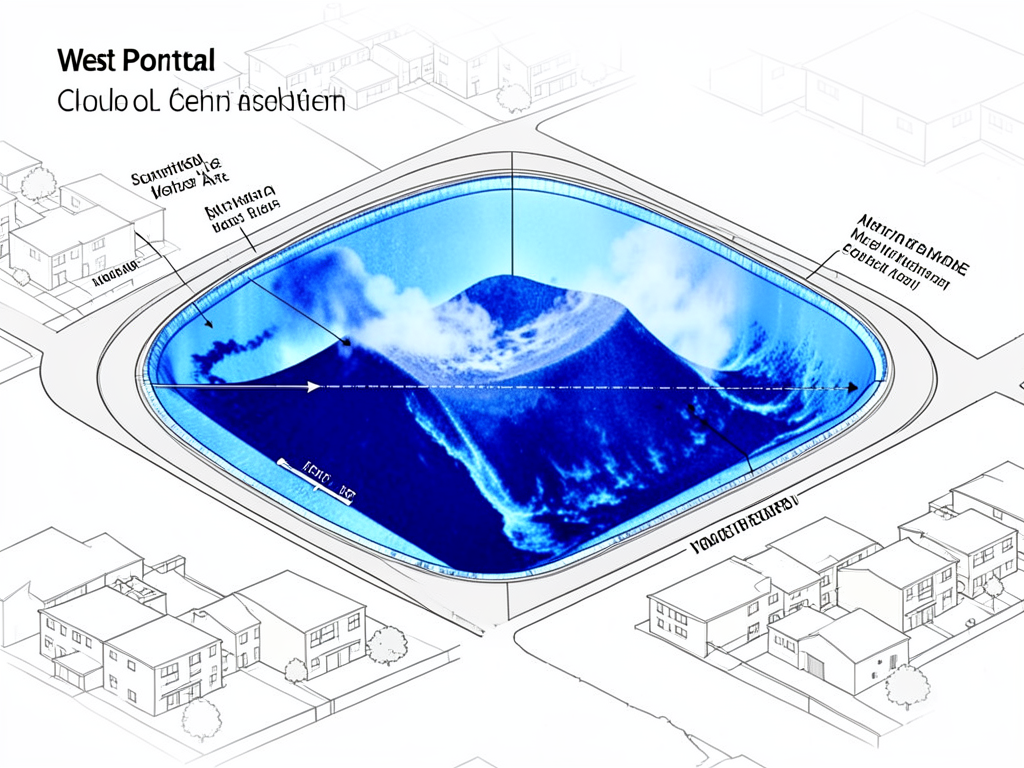
A thermal imaging diagram showing how West Portal’s bowl-shaped topography traps cold, moist air compared to surrounding neighborhoods.
The Age Factor: West Portal’s Construction Challenges
Most West Portal homes were built between 1920 and 1950, featuring construction methods that predate modern vapor barriers and moisture management. These houses typically have:
- Single-pane windows that allow moisture infiltration
- Uninsulated walls that create cold surface areas
- Limited or no vapor barriers in exterior walls
- Older HVAC systems not designed for today’s energy efficiency standards
The San Francisco Department of Building Inspection reports that homes built before 1950 in West Portal commonly lack the moisture control features now required by California Title 24 energy standards. This means humid outdoor air can penetrate walls and create condensation points inside your home. EPA indoor air quality guidelines.
Why Standard Heating Doesn’t Solve Dampness
Here’s the critical misunderstanding: heating air doesn’t remove moisture—it only changes how we perceive it. When your furnace heats humid air, the relative humidity percentage drops, but the actual moisture content stays the same. You end up with warm, damp air that feels uncomfortable and can promote mold growth.
The American Society of Heating, Refrigerating and Air-Conditioning Engineers (ASHRAE) recommends indoor relative humidity between 30-50% for comfort and health. In West Portal, outdoor humidity often exceeds this range for 6-8 months per year, making dedicated dehumidification necessary. ASHRAE indoor humidity recommendations.

A side-by-side comparison showing moisture content in air before and after standard heating versus air after proper dehumidification.
Warning Signs Your West Portal Home Has a Humidity Problem
How do you know if humidity is affecting your comfort? Watch for these specific indicators:
| Symptom | What It Means | Common in West Portal? |
|---|---|---|
| Window condensation on cold mornings | Indoor humidity exceeds dew point | Yes – due to older windows |
| Musty odors that persist after cleaning | Hidden mold or mildew growth | Yes – common in wall cavities |
| Peeling paint or wallpaper | Moisture damage to surfaces | Yes – older construction methods |
| Wooden floors cupping or warping | Moisture absorption by wood | Yes – older hardwood floors |
| Increased allergy symptoms indoors | Dust mites thrive in humid conditions | Yes – year-round humidity issues |
Professional Solutions for West Portal Humidity Control
Solving West Portal’s dampness requires a comprehensive approach that addresses both symptoms and root causes. Here are the most effective solutions we’ve implemented for local homes:
Whole-Home Dehumidification Systems
Unlike portable units, whole-home dehumidifiers integrate with your existing HVAC system to remove moisture throughout your entire house. These systems can extract 70-100 pints of water per day—enough to handle West Portal’s persistent humidity.. Read more about Why You Might Need a Dedicated Dehumidifier for Your San Francisco Garage or Workspace.
Modern units feature smart controls that maintain optimal humidity levels automatically. The Aprilaire E100 Pro, for example, includes sensors that monitor both temperature and humidity, adjusting operation based on real-time conditions.
HRV/ERV Ventilation Upgrades
Heat Recovery Ventilators (HRV) and Energy Recovery Ventilators (ERV) exchange stale indoor air with fresh outdoor air while transferring heat and managing moisture. These systems are particularly effective in West Portal because they:
- Remove indoor pollutants and excess moisture
- Pre-condition incoming air to reduce HVAC load
- Maintain consistent indoor air quality year-round
The California Energy Commission estimates HRV/ERV systems can reduce heating and cooling costs by 15-20% while improving indoor air quality.. Read more about Improving Kitchen Ventilation in Tight San Francisco Floor Plans.
Smart Thermostat Integration
Modern smart thermostats do more than schedule heating—they can actively manage humidity. Systems like the Ecobee SmartThermostat with voice control include remote sensors that monitor temperature and humidity in multiple rooms, creating custom comfort profiles.
These devices can automatically activate auxiliary dehumidification when humidity exceeds set points, even if the main heating system isn’t running. This targeted approach prevents the “warm and damp” feeling that plagues West Portal homes.
A technician installing a whole-home dehumidifier system, showing the integration with existing HVAC ductwork. The Best Way to Install Heat Pumps in Historic San Francisco Victorians.
DIY Steps to Reduce Indoor Humidity
While professional solutions provide the best results, several DIY measures can help manage humidity in the short term: Professional Commercial HVAC Maintenance for SOMA Office Buildings.
- Monitor Humidity Levels
Use a hygrometer to track indoor relative humidity. Target 30-50% for comfort and health.
- Improve Ventilation in Moisture-Prone Areas
Run bathroom exhaust fans for 30 minutes after showers. Use kitchen range hoods when cooking.
- Seal Air Leaks
Apply weatherstripping to windows and doors. Use caulk around plumbing penetrations and electrical outlets on exterior walls.
- Maintain Your HVAC System
Replace air filters monthly. Schedule annual professional maintenance to ensure proper system operation.
- Reduce Indoor Moisture Sources
Fix plumbing leaks promptly. Use lids on pots when cooking. Avoid indoor clothes drying during humid months.
When to Call a Professional
Some humidity problems require expert diagnosis and equipment. Call a professional if you experience:
- Persistent condensation on windows despite DIY efforts
- Visible mold growth or musty odors that won’t go away
- Water stains on walls or ceilings
- High energy bills with poor comfort levels
- Health symptoms that improve when away from home
A qualified HVAC technician can perform diagnostic tests including:
- Moisture content analysis in walls and floors
- Airflow measurements to identify ventilation problems
- Duct leakage testing to find hidden moisture sources
- HVAC system efficiency evaluation
Cost Considerations for West Portal Homes
Investing in humidity control pays dividends through improved comfort, better health, and protected property values. Here’s what to expect:
| Solution | Typical West Portal Cost Range | Expected Benefits |
|---|---|---|
| Whole-home dehumidifier | $2,500 – $4,500 | Year-round humidity control |
| HRV/ERV system | $3,000 – $5,000 | Improved air quality and energy savings |
| Smart thermostat upgrade | $200 – $400 | Better humidity management and comfort |
| Professional duct sealing | $800 – $1,500 | Reduced moisture infiltration |
Many West Portal homeowners find that addressing humidity problems also resolves other comfort issues, making these upgrades particularly cost-effective.
Protecting Your Investment: Long-Term Benefits
Beyond immediate comfort improvements, controlling indoor humidity protects your West Portal home investment. High humidity causes:
- Structural damage to wood framing and flooring
- Accelerated deterioration of paint and finishes
- Reduced HVAC system efficiency and lifespan
- Potential health issues from mold and dust mites
The Environmental Protection Agency estimates that controlling indoor humidity can extend the life of building materials by 15-25% while reducing energy costs by up to 30% through improved HVAC efficiency.
Frequently Asked Questions
Why does my house feel damp even when the heat is on?
Standard heating warms air but doesn’t remove moisture. In humid climates like West Portal, this creates warm, damp conditions that feel uncomfortable. You need dedicated dehumidification to address the moisture problem.
How do I know if my humidity is too high?
Signs include window condensation, musty odors, peeling paint, warped wood floors, and increased allergy symptoms. Use a hygrometer to measure indoor relative humidity—levels above 50% indicate a problem.
Are portable dehumidifiers enough for West Portal homes?
Portable units can help in specific rooms but rarely address whole-house humidity issues. West Portal’s persistent moisture problems typically require whole-home systems integrated with your HVAC equipment.
How much does professional humidity control cost?
Whole-home dehumidification systems range from $2,500 to $4,500 installed. HRV/ERV systems cost $3,000 to $5,000. Many homeowners find these investments pay for themselves through improved comfort and energy savings.
Can humidity problems cause health issues?
Yes. High humidity promotes mold growth and dust mite populations, which can trigger allergies and respiratory problems. The CDC recommends maintaining indoor humidity between 30-50% for optimal health.
Don’t let another foggy West Portal season leave you feeling damp and uncomfortable. Call (628) 201-6600 today to schedule your humidity assessment and discover how we can transform your home’s comfort. Our team understands the unique challenges of West Portal’s microclimate and can recommend solutions that actually work for your specific situation.
Pick up the phone and call (628) 201-6600 before the next marine layer settles in. Your comfort—and your home’s health—depend on addressing humidity problems now, not later.
{
“@context”: “https://schema.org”,
“@type”: “BlogPosting”,
“headline”: “Why West Portal Homes Often Feel Damp Even When the Heater is On”,
“description”: “Discover why West Portal homes stay damp despite heating and learn proven HVAC solutions to improve indoor air quality and comfort in San Francisco’s foggy climate.”,
“wordCount”: 1570,
“datePublished”: “2026-05-17T07:19:00.000Z”,
“dateModified”: “2026-05-17T07:19:00.000Z”,
“inLanguage”: “en-US”,
“mainEntityOfPage”: {
“@type”: “WebPage”,
“@id”: “https://atlashvacsanfrancisco.com”
},
“publisher”: {
“@type”: “LocalBusiness”,
“name”: “Atlas HVAC San Francisco”,
“url”: “https://atlashvacsanfrancisco.com”
},
“author”: {
“@type”: “Organization”,
“name”: “Atlas HVAC San Francisco”,
“url”: “https://atlashvacsanfrancisco.com”
},
“image”: {
“@type”: “ImageObject”,
“url”: “https://atlashvacsanfrancisco.com/wp-content/uploads/2026/03/why-west-portal-homes-often-feel-damp-even-when-th-1.png”
}
}
{
“@context”: “https://schema.org”,
“@type”: “HVACBusiness”,
“name”: “Atlas HVAC San Francisco”,
“url”: “https://atlashvacsanfrancisco.com”,
“address”: {
“@type”: “PostalAddress”,
“addressLocality”: “San Francisco”
},
“areaServed”: {
“@type”: “City”,
“name”: “San Francisco”
}
}
{
“@context”: “https://schema.org”,
“@type”: “FAQPage”,
“mainEntity”: [
{
“@type”: “Question”,
“name”: “Why does my house feel damp even when the heat is on?”,
“acceptedAnswer”: {
“@type”: “Answer”,
“text”: “Standard heating warms air but doesn’t remove moisture. In humid climates like West Portal, this creates warm, damp conditions that feel uncomfortable. You need dedicated dehumidification to address the moisture problem.”
}
},
{
“@type”: “Question”,
“name”: “Are portable dehumidifiers enough for West Portal homes?”,
“acceptedAnswer”: {
“@type”: “Answer”,
“text”: “Portable units can help in specific rooms but rarely address whole-house humidity issues. West Portal’s persistent moisture problems typically require whole-home systems integrated with your HVAC equipment.”
}
},
{
“@type”: “Question”,
“name”: “How much does professional humidity control cost?”,
“acceptedAnswer”: {
“@type”: “Answer”,
“text”: “Whole-home dehumidification systems range from $2,500 to $4,500 installed. HRV/ERV systems cost $3,000 to $5,000. Many homeowners find these investments pay for themselves through improved comfort and energy savings.”
}
},
{
“@type”: “Question”,
“name”: “Can humidity problems cause health issues?”,
“acceptedAnswer”: {
“@type”: “Answer”,
“text”: “Yes. High humidity promotes mold growth and dust mite populations, which can trigger allergies and respiratory problems. The CDC recommends maintaining indoor humidity between 30-50% for optimal health.”
}
}
]
}
{
“@context”: “https://schema.org”,
“@type”: “HowTo”,
“name”: “How to Reduce Indoor Humidity”,
“step”: [
{
“@type”: “HowToStep”,
“position”: 1,
“name”: “Monitor Humidity Levels”,
“text”: “Use a hygrometer to track indoor relative humidity. Target 30-50% for comfort and health.”
},
{
“@type”: “HowToStep”,
“position”: 2,
“name”: “Improve Ventilation in Moisture-Prone Areas”,
“text”: “Run bathroom exhaust fans for 30 minutes after showers. Use kitchen range hoods when cooking.”
},
{
“@type”: “HowToStep”,
“position”: 3,
“name”: “Seal Air Leaks”,
“text”: “Apply weatherstripping to windows and doors. Use caulk around plumbing penetrations and electrical outlets on exterior walls.”
},
{
“@type”: “HowToStep”,
“position”: 4,
“name”: “Maintain Your HVAC System”,
“text”: “Replace air filters monthly. Schedule annual professional maintenance to ensure proper system operation.”
},
{
“@type”: “HowToStep”,
“position”: 5,
“name”: “Reduce Indoor Moisture Sources”,
“text”: “Fix plumbing leaks promptly. Use lids on pots when cooking. Avoid indoor clothes drying during humid months.”
}
],
“image”: “https://atlashvacsanfrancisco.com/wp-content/uploads/2026/03/why-west-portal-homes-often-feel-damp-even-when-th-1.png”
}
{
“@context”: “https://schema.org”,
“@type”: “BreadcrumbList”,
“itemListElement”: [
{
“@type”: “ListItem”,
“position”: 1,
“name”: “Home”,
“item”: “https://atlashvacsanfrancisco.com”
},
{
“@type”: “ListItem”,
“position”: 2,
“name”: “Blog”,
“item”: “https://atlashvacsanfrancisco.com/blog”
},
{
“@type”: “ListItem”,
“position”: 3,
“name”: “Why West Portal Homes Often Feel Damp Even When the Heater is On”
}
]
}
{
“@context”: “https://schema.org”,
“@type”: “Service”,
“serviceType”: “HVAC”,
“provider”: {
“@type”: “LocalBusiness”,
“name”: “Atlas HVAC San Francisco”,
“url”: “https://atlashvacsanfrancisco.com”
},
“areaServed”: {
“@type”: “City”,
“name”: “San Francisco”
},
“description”: “Discover why West Portal homes stay damp despite heating and learn proven HVAC solutions to improve indoor air quality and comfort in San Francisco’s foggy climate.”
}