





Santa Clara sits in the heart of Silicon Valley with a Mediterranean climate that creates specific challenges for heating and cooling systems. Summer temperatures regularly climb into the upper 80s and low 90s from June through September, putting serious strain on air conditioning units. The valley's unique geography traps heat, and older neighborhoods near Stevens Creek and the Central Expressway see even higher temperatures due to reduced tree canopy and dense development.
Winter brings its own concerns. While mild compared to other parts of the country, overnight lows drop into the 30s and 40s from November through February. Furnaces that sit dormant for months suddenly need to fire up, and that's when most breakdowns happen. The clay-heavy soil throughout Santa Clara also affects outdoor HVAC units, causing settling and misalignment that reduces efficiency.
Add in air quality concerns from wildfire smoke during late summer and fall, and your HVAC system works harder than systems in many other California cities. Homes near Mission College Boulevard and the Great America area face additional dust from construction and traffic, clogging filters faster and reducing system lifespan. Regular maintenance isn't optional here. It's the difference between comfort and emergency breakdowns during the worst possible times.
We built our business on a simple promise that most HVAC companies break within the first phone call. We show up when we say we will, we tell you exactly what's wrong before we start work, and we give you a fixed price that doesn't balloon once we're in your home. No diagnostic fees that magically become part of a bigger bill. No pressure tactics to replace equipment that just needs a $200 repair.
Our technicians average 12 years of experience each. They hold current certifications for all major HVAC brands and complete ongoing training on new refrigerants, smart thermostats, and high-efficiency systems. When you call Atlas HVAC San Francisco, you get someone who has seen your exact problem dozens of times and knows the fastest path to fixing it.
We stock our trucks with parts for the most common repairs in Santa Clara homes. That means same-day fixes for capacitor failures, blower motor issues, thermostat problems, and refrigerant leaks. Other companies schedule a diagnostic visit, then order parts, then schedule the actual repair days later. You're sweating or freezing while they're coordinating their supply chain. We carry the parts because we know what breaks in this climate.
Our service area focuses exclusively on the greater San Francisco Bay Area, with deep roots in Santa Clara. We understand the quirks of older Eichler homes with radiant heating, the challenges of multi-story buildings near Santa Clara University, and the specific needs of tech campuses that require precision climate control. We're not a national franchise reading from a script. We're local technicians who know these systems and this community.

Most emergency calls get a technician on-site within two hours. We run multiple service vehicles across Santa Clara throughout the day and keep evening crews available for after-hours breakdowns. When your system fails, waiting until tomorrow isn't an option. We dispatch immediately and communicate arrival times by text so you're not stuck waiting around.

You get a complete diagnosis and firm price before we touch anything. No surprises, no hourly rates that spiral out of control, no add-ons discovered midway through the job. If you decline the repair, you pay nothing for the diagnostic visit. That's how confident we are that our pricing is fair and our recommendations are honest.
Our technicians hold factory certifications for Carrier, Trane, Lennox, Rheem, Goodman, and Bryant systems. We work on everything from basic builder-grade units to high-efficiency variable-speed systems. Whether you have a 20-year-old furnace or a brand new heat pump, we have the training and experience to repair it correctly without voiding manufacturer warranties.
We've worked in every neighborhood from Old Quad to Rivermark, from the Adobe headquarters campus to single-family homes near Agnew. We know which systems perform best in different parts of the city, which local contractors install quality ductwork, and how to navigate Santa Clara's permitting requirements when equipment replacement is necessary.
Atlas HVAC San Francisco handles everything from emergency breakdowns to planned system replacements. We separate our services into three main categories because different situations require different approaches and urgency levels. Emergency repairs get immediate dispatch and focus on restoring comfort as quickly as possible. Maintenance services prevent those emergencies and extend equipment life through regular tune-ups and inspections. System replacements happen when repair costs exceed the value of keeping old equipment running, and we guide you through efficiency options, rebate programs, and financing to make the transition smooth.
Every service category uses the same certified technicians, maintains the same quality standards, and follows the same transparent pricing model. Whether you need a blower motor replaced today or want to schedule annual maintenance for next month, you work with experienced professionals who treat your home with respect and your time as valuable. We don't upsell maintenance customers on unnecessary replacements, and we don't tell emergency callers to wait for a scheduled appointment when they need help now.
When your air conditioner quits during a September heat wave or your furnace goes out at midnight in January, you need help now, not next Tuesday. Our emergency service prioritizes speed without sacrificing quality. We diagnose the failure, explain your options clearly, and complete most repairs the same day using parts stocked in our service vehicles. Common emergency repairs include compressor failures, refrigerant leaks, ignition problems, blower motor burnout, and thermostat malfunctions. We're available around the clock because HVAC emergencies don't wait for business hours.
Regular maintenance prevents expensive breakdowns and keeps your energy bills manageable. Our tune-up service includes complete system inspection, cleaning of coils and blower assemblies, refrigerant level checks, electrical connection testing, and filter replacement. We catch small problems before they become emergency repairs and optimize your system for maximum efficiency. Most Santa Clara homes benefit from twice-yearly service, once before cooling season and once before heating season. We offer maintenance plans that lock in priority scheduling and discounted service rates for customers who want to protect their investment year-round.
Old equipment eventually costs more to repair than replace. When you reach that point, we provide honest assessments and multiple options at different price points and efficiency levels. We handle everything from basic like-for-like replacements to complete system upgrades with smart thermostats, zoned climate control, and high-efficiency heat pumps. Our installation crews follow manufacturer specifications exactly, pull proper permits with the city of Santa Clara, and arrange inspections to keep your warranty valid. We also help you navigate utility rebates and financing options to reduce upfront costs.
Santa Clara's climate and housing stock create predictable HVAC challenges. The combination of hot, dry summers and the region's hard water affects system components in specific ways. Older neighborhoods feature HVAC equipment installed during the building boom of the 1960s and 1970s, much of it undersized by modern standards or running on outdated refrigerants. Newer developments near North First Street and Tasman Drive have modern equipment but often suffer from poor installation by volume builders who prioritize speed over quality.
Air quality issues compound during wildfire season, typically August through October. Smoke particulates clog filters rapidly and force systems to work harder to maintain airflow. Homes without whole-house filtration see the worst effects, with some homeowners changing filters weekly during bad smoke events. The clay soil throughout the valley also creates foundation settling that throws outdoor condenser units off-level, reducing efficiency and causing premature compressor wear. These aren't problems you can ignore. They cost you money every month through higher energy bills and shorten your equipment's lifespan by years.
Air conditioners work hardest when outdoor temperatures exceed 90 degrees, which happens regularly from June through September in Santa Clara. Capacitors fail under heat stress, compressors overheat, and refrigerant leaks become apparent when the system can't keep up with demand. Most summer breakdowns happen during multi-day heat waves when your AC runs continuously without the relief of cooler nighttime temperatures.
Furnaces sit unused for six to eight months in Santa Clara's mild climate. When temperatures finally drop in November, ignition systems that worked fine last winter suddenly fail. Flame sensors corrode, gas valves stick, and pilot assemblies clog with dust. The first cold night of the season generates the most furnace repair calls because homeowners discover problems only when they actually need heat.
Wildfire smoke from the Santa Cruz Mountains and Sierra foothills settles in the valley during late summer and fall. Standard HVAC filters capture large particles but allow fine smoke particulates to circulate through your home. Without upgraded filtration, your system spreads contaminated air while filters clog faster than normal, reducing airflow and forcing your equipment to work harder.
Many homes built before 1980 have HVAC systems sized for smaller square footage or fewer occupants. Additions, finished garages, and converted attics add cooling and heating load that the original equipment can't handle. The system runs constantly, never quite reaches the thermostat setting, and wears out faster from overwork. Proper load calculation often reveals the need for larger capacity or supplemental systems.
You shouldn't need a degree in mechanical engineering to get your HVAC fixed. Our process focuses on clear communication, respect for your time, and transparency about what we find and what it costs. From the moment you call until the technician leaves your property, you know exactly what's happening and why.
We answer our phone during business hours, not an answering service in another state. You talk to someone who understands HVAC and can often diagnose simple problems over the phone. If you need a technician visit, we give you a arrival window and send text updates with the technician's name, photo, and GPS-tracked arrival time. No waiting around all day wondering if anyone's coming.
Our technicians arrive in marked vehicles, wear company uniforms with photo ID, and treat your home like their own. They use drop cloths, wear shoe covers, and clean up completely before leaving. After the repair, you get a detailed invoice explaining exactly what was done and why, along with recommendations for preventing future problems. We follow up a few days later to make sure everything still works correctly. That's standard procedure, not special treatment.
Emergency calls get prioritized based on severity and your household situation. A complete AC failure with elderly residents or young children in the home during a heat wave goes to the top of the dispatch list. We communicate realistic arrival times and keep you updated if anything changes. Non-emergency appointments get scheduled at your convenience with confirmation calls the day before and text updates the day of service. You're never left wondering when help is coming.
Our technicians test the entire system, not just the obvious problem. A tripped breaker might indicate a deeper electrical issue. Low refrigerant points to a leak that needs finding. We explain what we found, what caused it, and what it takes to fix it properly. You receive options at different price points when they exist, along with our honest recommendation. The choice is always yours, and declining the repair means you pay nothing for the diagnostic visit.
We warranty all repairs for one year on parts and labor. If something we fixed breaks again within that timeframe, we come back and make it right at no charge. Our technicians also check for related issues that could cause problems down the road. Replacing a failed capacitor is quick, but if the compressor is drawing too much current and will likely fail soon, you deserve to know that before spending money on a temporary fix.
We've eliminated the confusion and delays that make HVAC repair frustrating. Our process moves quickly from problem to solution without unnecessary steps or hidden charges.
Call (628) 201-6600 and describe what's happening with your heating or cooling system. We gather basic information about your equipment and symptoms, then dispatch the nearest available technician. You receive a text message with the technician's name, credentials, and estimated arrival time. Emergency calls during business hours typically get same-day service. After-hours emergencies get dispatched immediately to our on-call crew. We confirm your appointment and send reminders so you're never caught off guard.
The technician inspects your system, runs diagnostic tests, and identifies the problem. You get a clear explanation of what failed, why it failed, and what's required to fix it. We provide a firm price for the repair before starting any work. If you have an older system, we also give you honest feedback about whether repair makes sense or if you're throwing money at equipment that's near the end of its useful life. You make the final decision with all the information you need.
Once you approve the work, we complete the repair using quality parts and proper techniques. The technician tests the system thoroughly, checks for any related issues, and makes sure everything operates correctly before leaving. You receive detailed documentation of the work performed, warranty information, and maintenance recommendations to prevent future breakdowns. We follow up within a few days to confirm your system is still running properly and answer any questions that come up.
Professional HVAC service requires more than a truck and some tools. California maintains strict licensing requirements, refrigerant handling regulations, and installation standards that protect homeowners and ensure system longevity. Atlas HVAC San Francisco holds a current C-20 HVAC contractor license with the California Contractors State License Board, maintains EPA Section 608 certification for refrigerant handling, and carries full liability insurance and workers compensation coverage.
Santa Clara follows California Title 24 energy efficiency standards, which set minimum efficiency requirements for new equipment and replacement installations. These standards get updated every three years, with the most recent revision in 2022 pushing minimum SEER ratings higher and requiring improved duct sealing for forced-air systems. Any system replacement requires a permit from the Santa Clara Building Division, proper load calculation using ACCA Manual J methodology, and final inspection to verify code compliance.
Refrigerant regulations have changed significantly in recent years. R-22 refrigerant, common in systems installed before 2010, is no longer manufactured in the United States. Recharging R-22 systems costs substantially more than it did five years ago, making repair economics favor replacement in many cases. Newer refrigerants like R-410A and R-32 require different handling procedures, recovery equipment, and safety protocols. Technicians must hold current certification and use proper recovery methods to prevent refrigerant release into the atmosphere.
Ductwork quality dramatically affects system performance, but most homeowners never see their ducts after installation. Leaky ductwork wastes 20 to 30 percent of conditioned air in typical installations. California now requires duct testing for new construction and whole-system replacements, with maximum leakage rates of six percent for new ducts and 15 percent for existing ducts. Proper duct sealing uses mastic or approved metal-backed tape, not the cloth "duct tape" sold in hardware stores, which fails within months. Our installations meet or exceed these standards because we know shortcuts cost you money every month through wasted energy.
California requires C-20 HVAC contractor licensing for anyone installing, repairing, or modifying heating and cooling systems. Licensed contractors must pass trade examinations, maintain insurance, and complete continuing education. EPA Section 608 certification proves competency in refrigerant handling and recovery. Always verify your HVAC contractor holds current licenses and certifications. Unlicensed work voids equipment warranties and may violate local building codes, creating liability if problems arise.
Repair costs depend on the failed component, labor time required, and refrigerant type. Simple repairs like thermostat replacement or filter changes cost less than compressor replacement or complete refrigerant system overhaul. System replacement costs vary based on equipment efficiency, capacity sizing, ductwork condition, and installation complexity. Higher SEER ratings cost more upfront but reduce monthly operating costs. Proper sizing requires load calculation, not guessing based on the old system. Financing and utility rebates often reduce the real cost of high-efficiency replacements.
Most repairs complete within two to four hours once the technician arrives. Complex diagnostics or hard-to-reach components take longer. System replacements typically require one to two days for complete installation, including ductwork modifications, electrical upgrades, and permit inspections. Custom installations with zone control or extensive duct replacement may take three to five days. We provide realistic timelines during the estimate process and communicate any delays immediately if complications arise during the work.
Santa Clara requires building permits for HVAC equipment replacement, duct modifications, and electrical upgrades related to HVAC work. Permits ensure installations meet current building codes, energy standards, and safety requirements. Final inspection verifies proper installation and activates manufacturer warranties. Skipping permits saves a few hundred dollars but creates serious problems if you sell your home or file an insurance claim. We pull permits for all work that requires them and schedule inspections as part of standard service.
Educational video explaining common HVAC problems in Santa Clara, California, including air conditioning failures during summer heat, furnace issues in winter, and air quality challenges from wildfire smoke. Covers what homeowners should expect from professional HVAC repair service, how Santa Clara's Mediterranean climate affects heating and cooling systems, and specific challenges in different Santa Clara neighborhoods. Provides guidance on selecting qualified HVAC contractors and understanding repair versus replacement decisions for residential heating and air conditioning equipment.
Atlas HVAC San Francisco provides complete heating and cooling services throughout Santa Clara and the greater South Bay region. Our service territory covers established neighborhoods like Old Quad near the university, where mid-century homes feature original HVAC systems that require careful retrofitting when replacement time arrives. We work extensively in the Rivermark area off Montague Expressway, where newer construction from the 2000s building boom often suffers from undersized ductwork and poorly designed zone systems.
The Central Park neighborhood sees high service demand during summer months when older window units and aging central systems struggle with Santa Clara's heat island effect. Homes near El Camino Real and the Lawrence Expressway face additional challenges from traffic pollution and dust that clogs filters faster than residential areas farther from major roads. We've installed countless high-efficiency filtration systems in this corridor to address air quality concerns while maintaining proper airflow.
North Santa Clara near the Great America area and Tasman Drive tech campuses includes both single-family housing and multi-tenant buildings. Commercial HVAC needs differ from residential, requiring different equipment sizing, redundancy planning, and maintenance schedules. Our commercial division handles office buildings, retail spaces, and light industrial facilities throughout the Lafayette Street and Bowers Avenue corridors.
South toward San Tomas Aquino Creek and the border with San Jose, we service everything from dense apartment complexes to sprawling single-family homes in Ponderosa and Briarwood. The Pruneridge Avenue corridor features a mix of housing ages and styles, each with unique HVAC configurations. Eichler homes with radiant floor heating require specialized knowledge when homeowners want to add central air conditioning without destroying the architectural integrity.
We also serve Campbell, Cupertino, Sunnyvale, and Mountain View. Stevens Creek Boulevard forms a natural service boundary where equipment needs shift from the warmer Santa Clara valley floor to slightly cooler areas near the foothills. Understanding these microclimates helps us recommend properly sized equipment and set realistic expectations for system performance. A three-ton unit sufficient for a home in Sunnyvale might struggle with a similar-sized house in central Santa Clara where afternoon temperatures run five degrees hotter.
The $5000 rule is a simple calculation to decide repair versus replacement. Multiply your system's age by the repair cost. If the total exceeds $5000, replacement makes more financial sense than fixing it. For example, a 12-year-old system needing a $500 repair equals $6000, which suggests replacement. In Santa Clara, where cooling demands stress aging equipment, this rule helps you avoid throwing money at a failing system. Your technician should explain remaining lifespan and efficiency losses. This guideline is not absolute, but it gives you a practical framework for making smart decisions about your home comfort investment.
A complete HVAC system replacement in Santa Clara typically ranges from mid-range to higher investment depending on your home size, ductwork condition, and efficiency rating. Factors include tonnage requirements, SEER rating, brand choice, and installation complexity. Santa Clara's moderate climate allows flexibility in efficiency selection, but higher SEER units lower monthly bills. Ductwork modifications, permit fees, and removal of old equipment add to base costs. Two-stage or variable-speed systems cost more upfront but deliver better comfort and efficiency. Get three written estimates from licensed contractors who inspect your home, not phone quotes. Financing options make upgrades accessible for most budgets.
HVAC job costs vary widely based on scope. A simple thermostat replacement might run low hundreds, while duct sealing or refrigerant leak repairs fall mid-range. Furnace or air handler replacements land higher. In Santa Clara, labor rates reflect Silicon Valley's cost of living. Always get itemized estimates showing parts, labor, permits, and warranty details. Emergency after-hours service costs more. Preventive maintenance visits are your lowest-cost investment, catching small issues before they become expensive failures. Beware of unusually low bids, which often indicate unlicensed work or shortcuts. Quality installation directly impacts system performance and longevity. Ask about financing for larger projects.
The $5000 rule is a simple calculation to decide repair versus replacement. Multiply your system's age by the repair cost. If the total exceeds $5000, replacement makes more financial sense than fixing it. For example, a 12-year-old system needing a $500 repair equals $6000, which suggests replacement. In Santa Clara, where cooling demands stress aging equipment, this rule helps you avoid throwing money at a failing system. Your technician should explain remaining lifespan and efficiency losses. This guideline is not absolute, but it gives you a practical framework for making smart decisions about your home comfort investment.
A complete HVAC system replacement in Santa Clara typically ranges from mid-range to higher investment depending on your home size, ductwork condition, and efficiency rating. Factors include tonnage requirements, SEER rating, brand choice, and installation complexity. Santa Clara's moderate climate allows flexibility in efficiency selection, but higher SEER units lower monthly bills. Ductwork modifications, permit fees, and removal of old equipment add to base costs. Two-stage or variable-speed systems cost more upfront but deliver better comfort and efficiency. Get three written estimates from licensed contractors who inspect your home, not phone quotes. Financing options make upgrades accessible for most budgets.
HVAC job costs vary widely based on scope. A simple thermostat replacement might run low hundreds, while duct sealing or refrigerant leak repairs fall mid-range. Furnace or air handler replacements land higher. In Santa Clara, labor rates reflect Silicon Valley's cost of living. Always get itemized estimates showing parts, labor, permits, and warranty details. Emergency after-hours service costs more. Preventive maintenance visits are your lowest-cost investment, catching small issues before they become expensive failures. Beware of unusually low bids, which often indicate unlicensed work or shortcuts. Quality installation directly impacts system performance and longevity. Ask about financing for larger projects.
Replacing HVAC in a 2000 square foot Santa Clara home typically requires a three to four-ton system. Total investment depends on efficiency tier, ductwork condition, and equipment brand. Single-stage systems cost less than two-stage or variable-speed models. Your home's insulation, window quality, and sun exposure affect sizing requirements. Oversized systems cycle inefficiently, while undersized units run constantly. Santa Clara's mild winters mean heat pump systems often make financial sense, eliminating separate furnace costs. Professional load calculations ensure proper sizing. Permits, duct modifications, and electrical upgrades can add to base equipment and installation costs. Quality installation matters more than brand name.
HVAC tax incentives for 2025 depend on federal energy efficiency credits and equipment specifications. High-efficiency systems meeting ENERGY STAR criteria may qualify for federal tax credits. Heat pumps often receive larger credits than traditional split systems. California sometimes offers state rebates or utility company incentives for efficiency upgrades. You need manufacturer certification statements and proper documentation for tax filing. Credits reduce tax liability but do not provide direct refunds. Consult a tax professional about your specific situation, as rules change annually. Your contractor should provide necessary documentation if equipment qualifies. Incentives can offset several hundred to over a thousand in costs.
A properly maintained HVAC system lasts 15 to 20 years in Santa Clara's moderate climate. Furnaces often reach 20 years, while air conditioners typically last 15 to 18 years. Heat pumps handle both heating and cooling, which shortens lifespan to 12 to 15 years due to year-round use. Factors affecting longevity include installation quality, maintenance frequency, usage patterns, and equipment tier. Budget brands fail sooner than premium lines. Skipping annual tune-ups accelerates wear. Dirty filters force components to work harder. Coastal moisture in nearby areas can corrode outdoor units faster. If your system approaches 15 years and needs major repairs, replacement usually makes more sense.
Fall and early spring offer the best HVAC buying windows in Santa Clara. Contractors are less busy between peak cooling and heating seasons, giving you better scheduling and sometimes lower prices. October through November and March through April are ideal. You avoid the desperation premium of summer failures when everyone needs air conditioning immediately. Manufacturers often release new models in spring, discounting previous-year inventory. You have time for proper research, multiple bids, and thoughtful decisions rather than emergency replacements. Plan ahead if your system shows warning signs. Installation takes one to three days, so schedule before extreme weather hits and demand spikes.
A quality air conditioner for a 2000 square foot California home typically requires three to four tons of cooling capacity. Costs vary based on SEER rating, brand, and installation complexity. California's Title 24 energy standards require minimum 14 SEER, but 16 to 18 SEER units deliver better efficiency in Santa Clara's climate. Central AC costs more than ductless mini-splits but works with existing ductwork. Two-stage compressors improve comfort and efficiency over single-stage units. Proper sizing requires professional load calculations. Installation includes refrigerant lines, electrical connections, condensate drainage, and permits. Upgrading old ductwork or electrical panels adds costs. Compare written estimates from three licensed contractors.
Watch for these replacement signals in your Santa Clara home. Age over 15 years combined with declining performance means limited remaining life. Rising energy bills indicate efficiency loss. Frequent repairs that add up suggest the system is failing progressively. Uneven temperatures between rooms point to capacity problems. Strange noises like grinding, squealing, or banging signal mechanical failure. Excessive dust or poor air quality means filtration issues. The system runs constantly without reaching set temperatures. You smell burning or musty odors. Refrigerant leaks require expensive repairs on older units. If repairs exceed half the replacement cost, invest in new equipment for reliability and efficiency.
The three-minute rule prevents compressor damage by requiring a three-minute wait between shutdown and restart. Your air conditioner's compressor needs time for refrigerant pressures to equalize after cycling off. Restarting too quickly forces the compressor to start against high pressure, causing electrical stress and potential failure. Modern thermostats include built-in delay features. If you manually adjust your thermostat, wait three minutes before restarting. This applies after power outages too. In Santa Clara's moderate climate, short-cycling indicates problems like oversized equipment, refrigerant issues, or thermostat malfunctions. If your system cycles on and off rapidly, call a technician to diagnose the underlying cause.
Replacing HVAC in a 2000 square foot Santa Clara home typically requires a three to four-ton system. Total investment depends on efficiency tier, ductwork condition, and equipment brand. Single-stage systems cost less than two-stage or variable-speed models. Your home's insulation, window quality, and sun exposure affect sizing requirements. Oversized systems cycle inefficiently, while undersized units run constantly. Santa Clara's mild winters mean heat pump systems often make financial sense, eliminating separate furnace costs. Professional load calculations ensure proper sizing. Permits, duct modifications, and electrical upgrades can add to base equipment and installation costs. Quality installation matters more than brand name.
HVAC tax incentives for 2025 depend on federal energy efficiency credits and equipment specifications. High-efficiency systems meeting ENERGY STAR criteria may qualify for federal tax credits. Heat pumps often receive larger credits than traditional split systems. California sometimes offers state rebates or utility company incentives for efficiency upgrades. You need manufacturer certification statements and proper documentation for tax filing. Credits reduce tax liability but do not provide direct refunds. Consult a tax professional about your specific situation, as rules change annually. Your contractor should provide necessary documentation if equipment qualifies. Incentives can offset several hundred to over a thousand in costs.
A properly maintained HVAC system lasts 15 to 20 years in Santa Clara's moderate climate. Furnaces often reach 20 years, while air conditioners typically last 15 to 18 years. Heat pumps handle both heating and cooling, which shortens lifespan to 12 to 15 years due to year-round use. Factors affecting longevity include installation quality, maintenance frequency, usage patterns, and equipment tier. Budget brands fail sooner than premium lines. Skipping annual tune-ups accelerates wear. Dirty filters force components to work harder. Coastal moisture in nearby areas can corrode outdoor units faster. If your system approaches 15 years and needs major repairs, replacement usually makes more sense.
Fall and early spring offer the best HVAC buying windows in Santa Clara. Contractors are less busy between peak cooling and heating seasons, giving you better scheduling and sometimes lower prices. October through November and March through April are ideal. You avoid the desperation premium of summer failures when everyone needs air conditioning immediately. Manufacturers often release new models in spring, discounting previous-year inventory. You have time for proper research, multiple bids, and thoughtful decisions rather than emergency replacements. Plan ahead if your system shows warning signs. Installation takes one to three days, so schedule before extreme weather hits and demand spikes.
A quality air conditioner for a 2000 square foot California home typically requires three to four tons of cooling capacity. Costs vary based on SEER rating, brand, and installation complexity. California's Title 24 energy standards require minimum 14 SEER, but 16 to 18 SEER units deliver better efficiency in Santa Clara's climate. Central AC costs more than ductless mini-splits but works with existing ductwork. Two-stage compressors improve comfort and efficiency over single-stage units. Proper sizing requires professional load calculations. Installation includes refrigerant lines, electrical connections, condensate drainage, and permits. Upgrading old ductwork or electrical panels adds costs. Compare written estimates from three licensed contractors.
Watch for these replacement signals in your Santa Clara home. Age over 15 years combined with declining performance means limited remaining life. Rising energy bills indicate efficiency loss. Frequent repairs that add up suggest the system is failing progressively. Uneven temperatures between rooms point to capacity problems. Strange noises like grinding, squealing, or banging signal mechanical failure. Excessive dust or poor air quality means filtration issues. The system runs constantly without reaching set temperatures. You smell burning or musty odors. Refrigerant leaks require expensive repairs on older units. If repairs exceed half the replacement cost, invest in new equipment for reliability and efficiency.
The three-minute rule prevents compressor damage by requiring a three-minute wait between shutdown and restart. Your air conditioner's compressor needs time for refrigerant pressures to equalize after cycling off. Restarting too quickly forces the compressor to start against high pressure, causing electrical stress and potential failure. Modern thermostats include built-in delay features. If you manually adjust your thermostat, wait three minutes before restarting. This applies after power outages too. In Santa Clara's moderate climate, short-cycling indicates problems like oversized equipment, refrigerant issues, or thermostat malfunctions. If your system cycles on and off rapidly, call a technician to diagnose the underlying cause.
While we provide mobile service across the entire San Francisco area, you can locate our main office and service dispatch hub on the map below. We are proud to serve all neighborhoods, from the Financial District to the Sunset and Richmond areas, ensuring swift response times for all your heating and cooling needs. Feel free to stop by our location or easily invite our professional team to your residential or commercial property for a consultation.
Address:
Santa Clara, CA, 95051
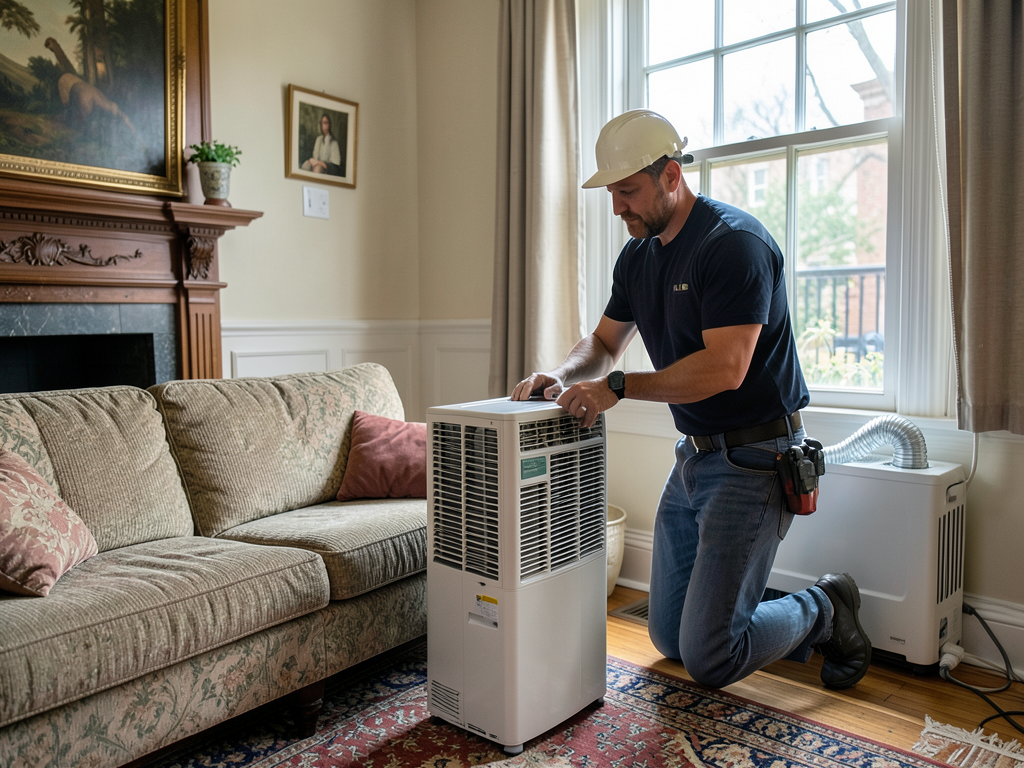
Non-Permanent Cooling Solutions for Renters in the Lower Haight Living in a classic Lower Haight Victorian or Edwardian apartment means dealing with beautiful architecture but often outdated cooling systems. Most renters face the same dilemma:…
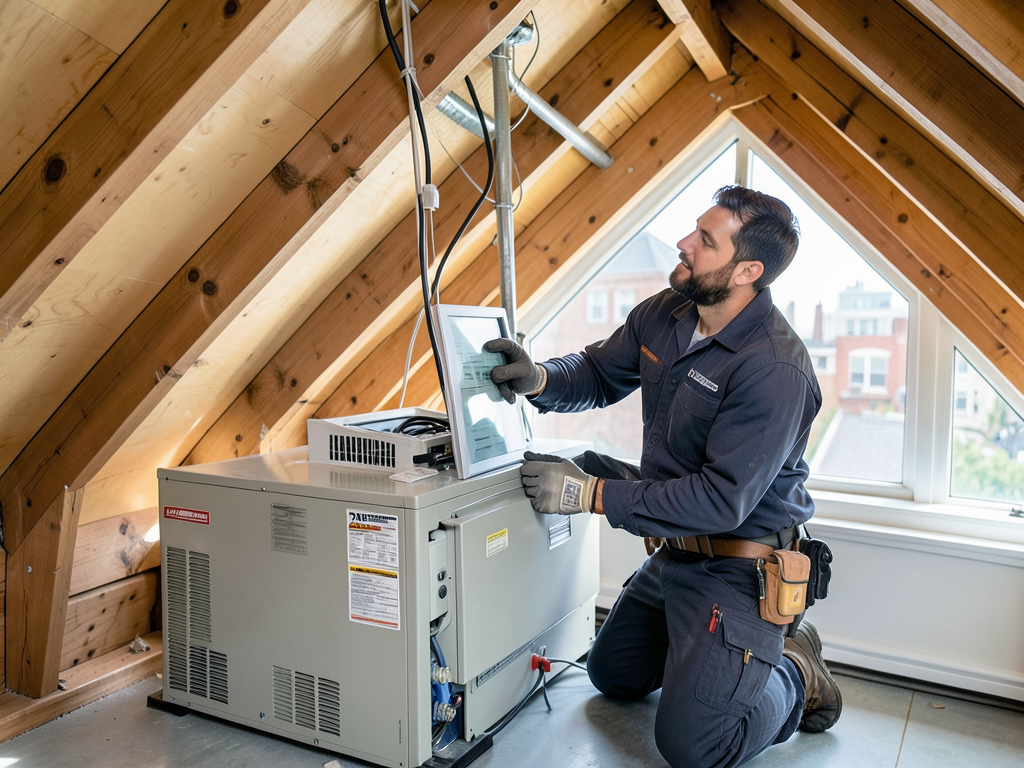
Heating and Cooling Solutions for Sunnyside Attic and Basement Conversions Converting your Sunnyside attic or…
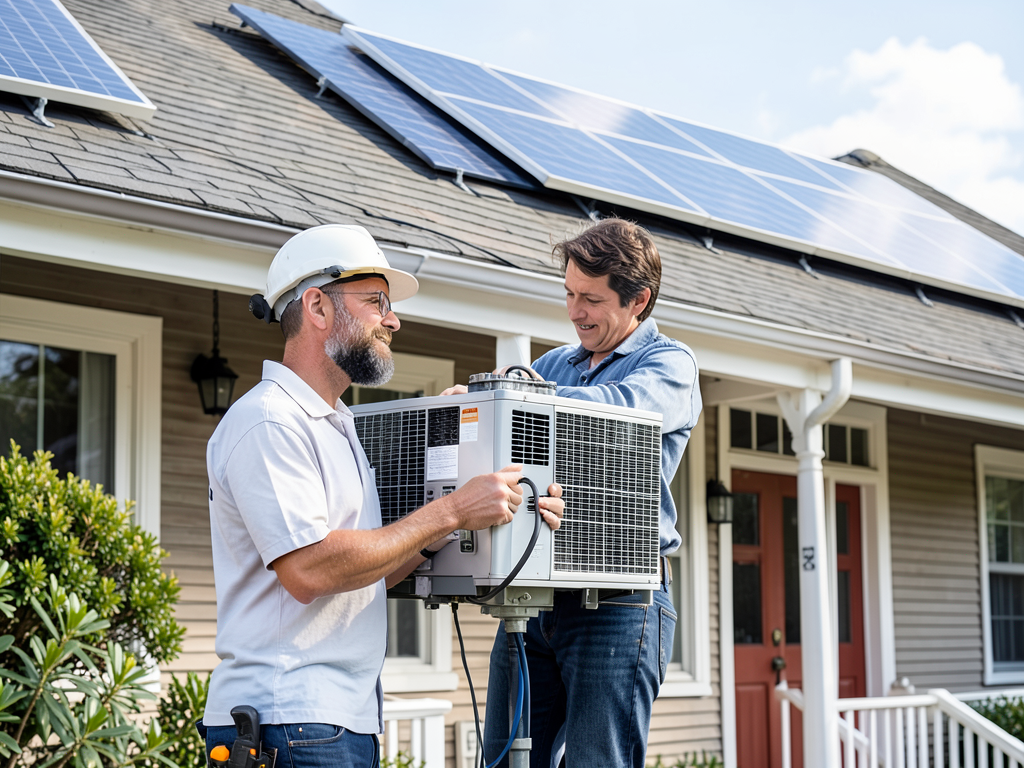
Pairing Your San Francisco Solar Panels with a High Efficiency Heat Pump If you have…
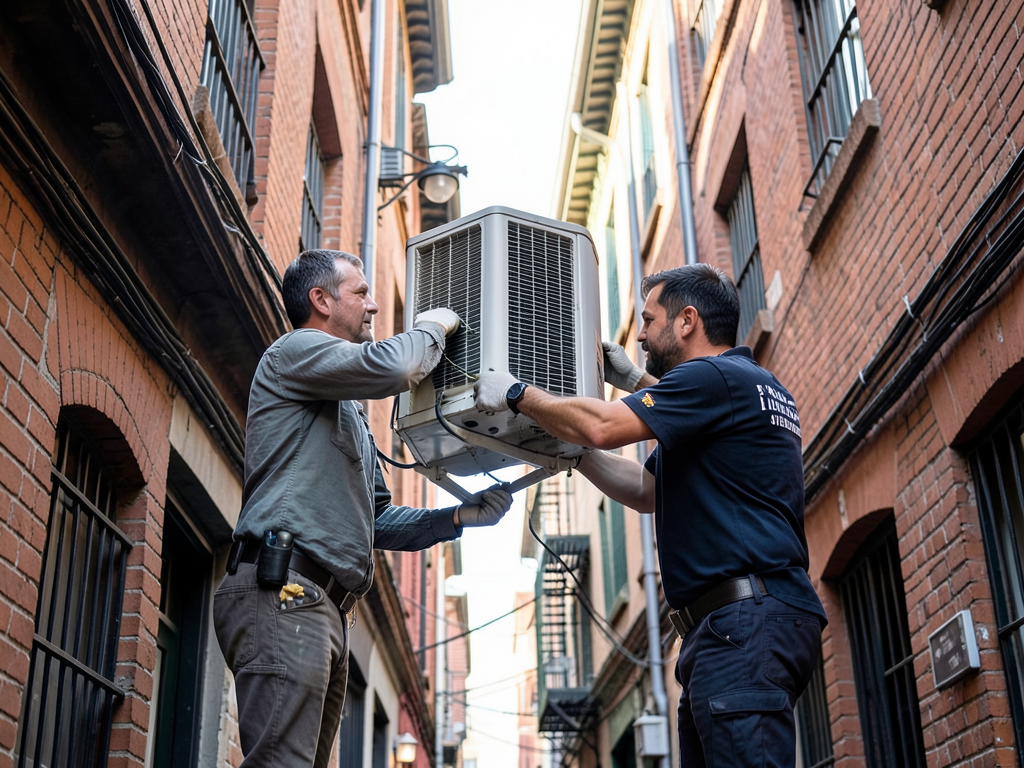
Energy Efficient HVAC Upgrades for Small Businesses in Chinatown Small businesses in San Francisco's Chinatown…
Your comfort can't wait. Call Atlas HVAC San Francisco at (628) 201-6600 right now for same-day service on most repairs. We answer the phone, show up on time, and fix it right the first time with transparent pricing and guaranteed work.