





Hayward sits in the East Bay microclimates where summer temperatures climb into the 90s and marine fog brings humidity that strains air conditioning systems. Homes near the bayfront in neighborhoods like Eden Shores face salt air corrosion on outdoor condenser units. Properties in the hills toward Fairview experience wider temperature swings that force HVAC systems to work harder.
The region's mix of older homes built in the 1950s through 1970s and newer developments means Hayward has everything from original furnaces pushing 40 years to modern heat pump systems. Many older units lack proper insulation, forcing heating and cooling equipment to run constantly. Bay Area PG&E rates make inefficient systems expensive to operate.
California Title 24 energy codes require specific efficiency ratings for HVAC replacements, and Alameda County permitting demands proper load calculations before installation. When your system fails, you need technicians who understand these requirements and can restore comfort without code violations or failed inspections.
Atlas HVAC San Francisco has served the Bay Area for over a decade, building a reputation on fast response and permanent repairs. We stock parts for major brands in our service vehicles, which means most repairs happen during the first visit. You do not wait three days for an ordered part while your family sweats through another hot night.
Our technicians hold NATE certifications and complete ongoing factory training on residential and light commercial systems. They diagnose problems correctly the first time instead of guessing and replacing parts until something works. We provide written estimates before starting work, so you know the exact cost before we touch your system.
We understand Hayward's housing stock. Technicians have worked on everything from mid-century ranch homes in Fairview to newer townhomes near Southland Mall. They know which systems perform well in Bay Area conditions and which chronic problems plague specific models. This experience translates to faster diagnosis and repairs that last.
Atlas HVAC San Francisco maintains A+ ratings with the Better Business Bureau and posts real customer reviews. We do not hide behind fake testimonials or paid placements. Our work speaks through satisfied customers who call us first when problems arise. We earn trust through performance, not promises.

We dispatch technicians to Hayward addresses within hours of your call, not days. Our trucks carry diagnostic equipment and common parts for immediate repairs. You get working climate control today, not after suffering through a weekend waiting for Monday appointments.

We diagnose the problem and provide written estimates before performing repairs. No hidden fees, no surprise charges when the work finishes. You approve the cost before we start, giving you control over your budget and decisions about your system.
Every technician holds North American Technician Excellence certification, the industry standard for HVAC competence. They complete continuing education on new refrigerants, California energy codes, and diagnostic techniques. You get current expertise, not outdated methods from decades past.
We have serviced thousands of Hayward homes across all neighborhoods and housing types. Our technicians know the common problems with systems in your area and arrive prepared with the right parts and solutions for Bay Area climate challenges.
Atlas HVAC San Francisco handles every aspect of residential heating and cooling in Hayward. We repair broken systems, maintain equipment to prevent failures, and replace units that have reached the end of their service life. Our technicians work on all major brands including Carrier, Trane, Lennox, Rheem, Goodman, and York.
We service both central air systems and heat pumps, forced air furnaces and wall heaters, ductwork and thermostats. Whether you need emergency AC repair on a hot summer day or furnace service before winter arrives, we have the parts and expertise to restore comfort. Our comprehensive approach means one call handles all your climate control needs instead of juggling multiple contractors for different problems.
Air conditioner blowing warm air? Furnace not lighting? We dispatch technicians with fully stocked trucks to diagnose and repair your system the same day you call. Most repairs complete during the first visit because we carry parts for common failures. Our emergency service restores your comfort quickly without making you wait days for appointments or parts orders to arrive.
Scheduled maintenance catches small problems before they become expensive failures. We clean coils, check refrigerant levels, test electrical components, and inspect heat exchangers during seasonal tune-ups. Regular service extends equipment life and maintains efficiency, saving money on energy bills. Maintenance customers receive priority scheduling and discounted repair rates when problems do arise.
Old systems break down repeatedly and waste energy running inefficiently. We perform load calculations to size new equipment correctly for your home, pull Alameda County permits, and install systems that meet California Title 24 efficiency requirements. You get reliable climate control with lower energy bills and manufacturer warranties that protect your investment for years.
Hayward's Bay Area climate creates specific challenges for heating and cooling systems. Summer heat stresses air conditioners while marine air brings humidity and salt corrosion. Older homes lack proper insulation, forcing systems to run constantly. Temperature swings between coastal fog and inland heat make equipment work harder than systems in stable climates.
These conditions lead to predictable failures. Capacitors wear out from frequent cycling. Condenser coils corrode from salt air exposure. Ductwork leaks because settling foundations pull joints apart. Recognizing these patterns helps homeowners address problems before complete system failure leaves them uncomfortable and facing emergency replacement costs.
Low refrigerant from leaks, dirty coils blocking airflow, or failed compressors cause weak cooling. Your system runs constantly but never reaches the thermostat setting. High energy bills and uncomfortable rooms signal problems that need diagnosis before the compressor fails completely and requires expensive replacement.
Dirty flame sensors, failing limit switches, or blocked vents cause furnaces to shut down after brief cycles. Your home never warms properly and constant starting stresses components. This short cycling wastes energy and damages heat exchangers, potentially creating dangerous carbon monoxide cracks in older furnaces.
Grinding sounds signal motor bearing failures. Banging indicates loose components or failed mounts. Squealing suggests belt problems. These noises warn of impending failures that leave you without heating or cooling. Addressing strange sounds early prevents complete breakdowns and limits damage to expensive components like compressors and blower motors.
Inefficient operation from dirty filters, refrigerant leaks, or aging equipment drives up PG&E costs. Your system runs longer to maintain temperature, wasting electricity or gas. A tune-up or strategic repairs restore efficiency and lower monthly bills, often paying for the service within a few billing cycles.
We built our service around eliminating the frustrations homeowners face with HVAC contractors. You will not wait days for callbacks or sit through vague four-hour service windows. We do not diagnose problems then disappear for a week to order parts. Our process focuses on clear communication, fast response, and permanent repairs that restore your comfort without games or surprises.
From your first call through completed repairs, you know what happens next. Technicians arrive when promised, explain problems in plain language, and provide written estimates before starting work. This transparency gives you control over decisions about your system and budget.
Our dispatch team answers calls quickly and schedules service appointments within hours for emergencies. We provide arrival time estimates and call ahead when the technician is on the way. You receive the technician's name and photo so you know who to expect. No generic four-hour windows forcing you to waste your day waiting.
Technicians examine your entire system, not just the obvious problem. They test components, check refrigerant levels, inspect electrical connections, and measure airflow. You receive a written estimate explaining the problem, repair options, and exact costs before any work begins. This transparency lets you make informed decisions about repairs versus replacement.
We stock parts in service vehicles and complete most repairs during the initial visit. Technicians test systems thoroughly after repairs to confirm proper operation. You receive documentation of work performed and guidance on maintaining your system. Our repairs come with parts and labor warranties that protect you if problems recur.
We designed our service process for speed and clarity. You get expert help without delays, confusion, or surprise charges.
Contact us by phone at (628) 201-6600 and describe your HVAC problem. Our team schedules a service appointment, usually the same day for emergencies. We provide an estimated arrival time and confirm your Hayward address. You receive a confirmation call when the technician is on the way to your home.
The technician inspects your system, tests components, and identifies the problem. You receive a clear explanation of what failed and why, plus a written estimate for repairs. We discuss options if multiple solutions exist. Once you approve the estimate, we proceed with repairs immediately in most cases.
We complete repairs using quality parts and test your system thoroughly to confirm proper operation. The technician walks you through what was fixed and answers questions about maintenance or operation. You receive documentation and warranty information. We follow up after service to ensure your system performs correctly.
Professional HVAC service in California requires strict adherence to state energy codes and safety regulations. California Title 24 mandates minimum SEER ratings of 14 for air conditioners and 8.2 HSPF for heat pumps installed in Hayward. These efficiency standards reduce energy consumption but require proper equipment selection and installation techniques.
Alameda County requires permits for HVAC system replacements and major repairs involving refrigerant lines or gas connections. Permitted work must include Manual J load calculations to size equipment correctly for your home's square footage, insulation levels, and window area. Oversized systems short cycle and waste energy. Undersized equipment runs constantly without maintaining comfort.
Refrigerant handling follows EPA Section 608 regulations requiring certified technicians and proper recovery procedures. California banned R-22 refrigerant, so older systems need conversion to approved alternatives or complete replacement. Technicians must verify refrigerant charge by superheat or subcooling measurements, not just pressure readings that vary with outdoor temperature.
Combustion safety testing on furnaces checks for carbon monoxide leaks and proper venting. We measure draft pressure, combustion air supply, and flue gas temperature to confirm safe operation. Heat exchangers get visual inspection for cracks that leak exhaust into living spaces. Natural draft furnaces require minimum clearances to combustibles specified in manufacturer installation manuals and enforced during inspections.
Ductwork affects system performance as much as equipment quality. We measure static pressure to identify restrictions from undersized ducts or blocked returns. Leaky ducts waste 20 to 40 percent of conditioned air in attics or crawlspaces. Proper sealing with mastic or metal-backed tape, not standard duct tape that fails quickly, improves efficiency and comfort. Return air sizing follows Manual D calculations ensuring adequate airflow across coils for proper dehumidification and equipment longevity.
New HVAC installations must meet state energy efficiency standards including minimum SEER ratings, programmable thermostats, and proper duct sealing. We pull permits and coordinate inspections to ensure your system passes without delays or code violations that delay occupancy or affect home sales.
Refrigerant type, part availability, system age, and labor complexity determine repair costs. Simple fixes like capacitor replacement cost less than compressor failures. Obsolete systems with discontinued parts often make replacement more economical than repairs. We provide repair versus replacement analysis so you make cost-effective decisions.
Most repairs complete within two to four hours during the first visit. System replacements take one to three days depending on equipment complexity and permit requirements. We provide accurate time estimates upfront so you can plan accordingly. Rush service is available for emergencies when standard scheduling does not meet your needs.
Manual J calculations determine correct equipment size for your home's specific characteristics. This engineering analysis accounts for insulation, windows, orientation, and occupancy. Properly sized systems maintain comfort efficiently without the short cycling and humidity problems caused by oversized equipment commonly installed by contractors who guess at sizing.
Atlas HVAC San Francisco provides heating and cooling service throughout Hayward and the greater East Bay. We work extensively in the Eden Shores and Fairview neighborhoods where bayfront homes face salt air corrosion on outdoor units. Our technicians service properties throughout the Southland district near Hayward City Center, handling both older single-family homes and newer townhouse developments.
The neighborhoods east of Mission Boulevard including Mt. Eden and Schafer Park feature many mid-century ranch homes with original HVAC systems nearing replacement age. We have installed hundreds of new systems in these areas and understand the ductwork configurations common to that era's construction. Properties in the hills toward Hayward Hills and Five Canyons experience wider temperature swings that stress equipment, making preventive maintenance especially important.
We serve the industrial and commercial corridor along West Winton Avenue and the residential areas surrounding Kennedy Park and Hayward Memorial Park. Our service area extends to nearby communities including San Lorenzo, Castro Valley, and Union City where Bay Area climate creates similar HVAC challenges. Properties near the Hayward Executive Airport and the Alameda County Fairgrounds receive the same fast response times as central Hayward addresses.
The diversity of Hayward's housing stock from post-war bungalows to modern construction means our technicians encounter every type of residential HVAC system. This experience helps us diagnose problems quickly regardless of your home's age or equipment brand. We stock parts for systems commonly installed throughout the East Bay and maintain relationships with suppliers for rapid access to specialized components when needed.
Whether you live near Garin Regional Park in the eastern hills or along the bay near the Hayward Shoreline, we provide the same quality service and fast response times. Our technicians know Hayward's streets and arrive quickly without getting lost or delayed. This local knowledge translates to faster service when your system fails and you need immediate help.
While we provide mobile service across the entire San Francisco area, you can locate our main office and service dispatch hub on the map below. We are proud to serve all neighborhoods, from the Financial District to the Sunset and Richmond areas, ensuring swift response times for all your heating and cooling needs. Feel free to stop by our location or easily invite our professional team to your residential or commercial property for a consultation.
Address:
Hayward, CA, 94544
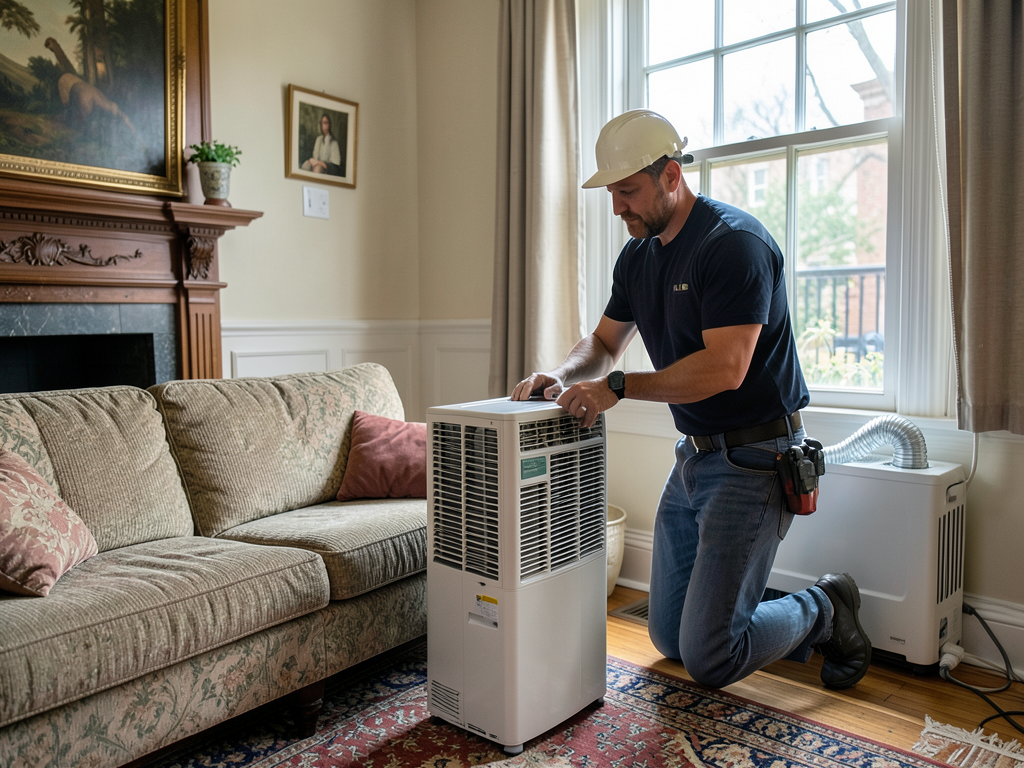
Non-Permanent Cooling Solutions for Renters in the Lower Haight Living in a classic Lower Haight Victorian or Edwardian apartment means dealing with beautiful architecture but often outdated cooling systems. Most renters face the same dilemma:…
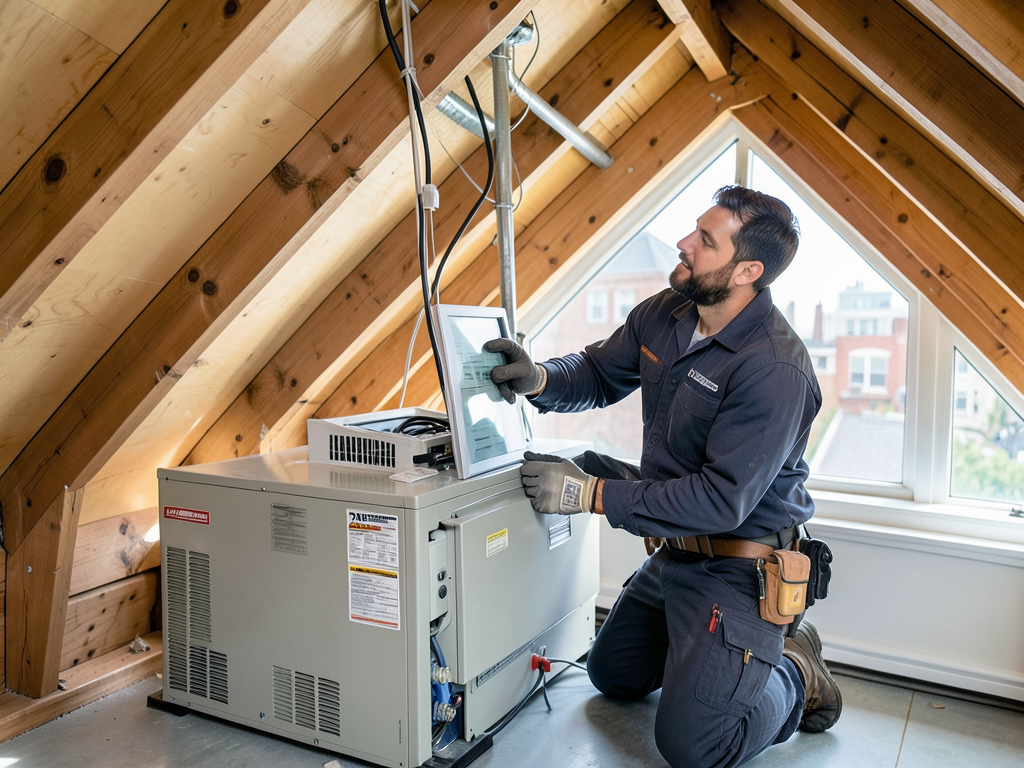
Heating and Cooling Solutions for Sunnyside Attic and Basement Conversions Converting your Sunnyside attic or…
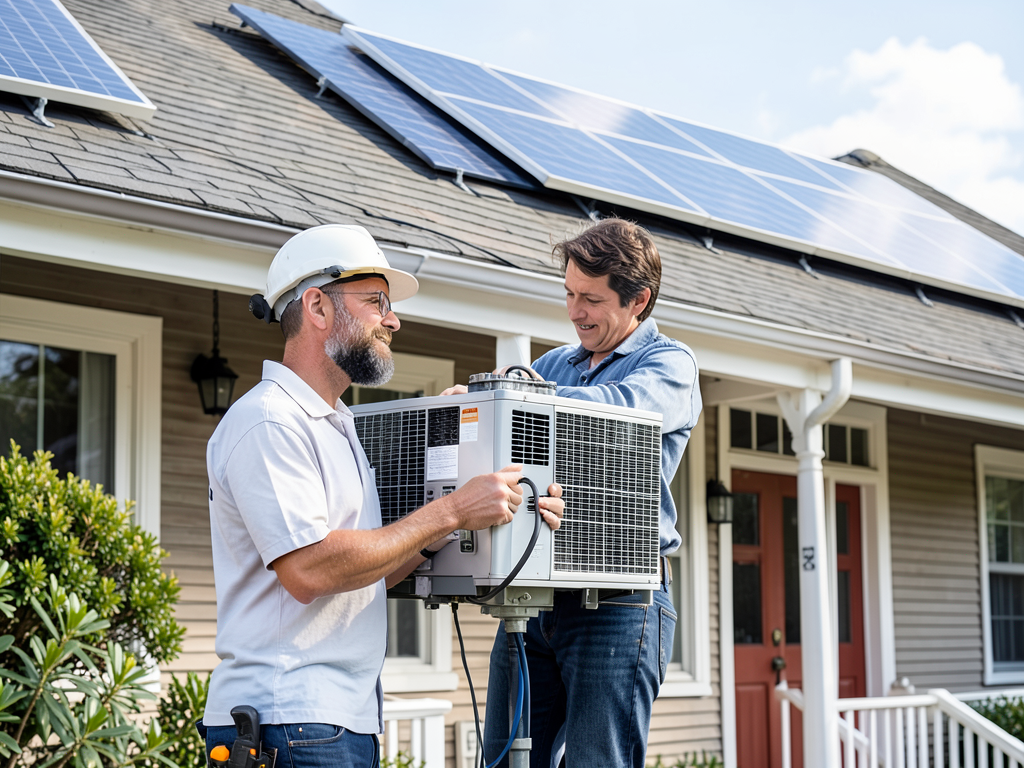
Pairing Your San Francisco Solar Panels with a High Efficiency Heat Pump If you have…
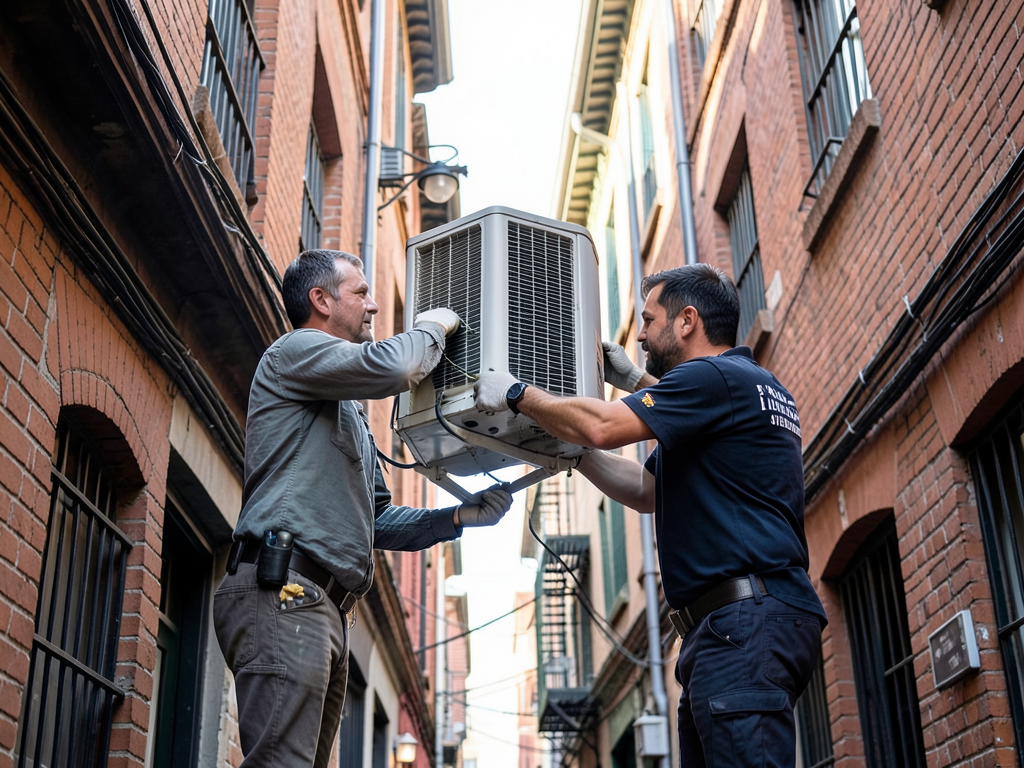
Energy Efficient HVAC Upgrades for Small Businesses in Chinatown Small businesses in San Francisco's Chinatown…
Your comfort matters. Call Atlas HVAC San Francisco now at (628) 201-6600 for same-day service in Hayward. Our certified technicians arrive equipped to diagnose and repair most systems during the first visit. Stop suffering through temperature extremes and get expert help today.