





Livermore sits in the Tri-Valley region where temperature swings test HVAC systems harder than most Bay Area cities. Summer highs routinely hit 95 to 100 degrees while winter nights drop into the low 30s. This 70-degree annual range forces your heating and cooling equipment to work overtime in both directions.
The dry heat and low humidity create specific challenges. Dust from nearby vineyards and open spaces clogs filters faster. AC condensers work harder in sustained heat. Older homes in neighborhoods like South Livermore and downtown often have undersized ductwork designed before modern efficiency standards.
Livermore's building codes require specific SEER ratings for new installations and replacements. Title 24 energy compliance means your system must meet California's strict efficiency standards. Many homes built before 2000 need ductwork modifications to pass inspection during equipment upgrades.
Wind patterns from the Altamont Pass carry debris that damages outdoor units. Homes near vineyards face additional particulate exposure. Your HVAC system filters air constantly in these conditions, and when it fails, indoor air quality drops fast. Quick response matters because a broken AC in Livermore summer heat isn't just uncomfortable, it's a health risk for children and elderly residents.
Atlas HVAC San Francisco built its reputation on fast response and honest pricing across the Bay Area. We serve Livermore with the same approach that earned trust in San Francisco: show up fast, diagnose accurately, fix it right, and charge fairly.
Our technicians carry extensive parts inventory on every truck. We stock components for major brands including Carrier, Trane, Lennox, Rheem, and Goodman. This means we complete most repairs in a single visit without waiting days for parts orders. When your AC dies on a Friday afternoon, we fix it that day instead of leaving you sweating through the weekend.
We provide upfront pricing before starting work. You see the cost, approve it, and we proceed. No surprise charges when the job finishes. Our diagnostic fee applies toward repair costs, so you're not paying twice for the same service call.
Every technician at Atlas HVAC San Francisco holds current certifications for refrigerant handling and California Title 24 compliance. We understand local code requirements for Livermore installations and work directly with city inspectors when permits are required. This expertise prevents the callbacks and corrections that waste your time with less experienced companies.
We focus on fixes that last. Band-aid repairs that fail in three months don't serve anyone. When a repair isn't cost-effective, we tell you honestly and explain your options. Our goal is your long-term comfort and system reliability, not maximizing today's invoice.

HVAC emergencies don't wait for business hours. Atlas HVAC San Francisco responds to Livermore calls seven days a week with same-day service availability. Our dispatch system routes the nearest available technician to minimize your wait time. Most emergency calls receive response within two hours.

Our trucks carry the parts needed for most residential and commercial HVAC repairs. Capacitors, contactors, thermostats, fan motors, and refrigerant stay on board. This inventory lets us complete repairs immediately instead of scheduling follow-up visits. You get your system running the same day we diagnose the problem.
You receive a clear price quote before we start any repair work. Our technicians explain what failed, what fixing it requires, and exactly what it costs. The final bill matches the approved estimate. We don't inflate invoices after completing work or add hidden fees during payment.
We understand Livermore's specific HVAC challenges from years serving the Tri-Valley. Our technicians know how dust affects equipment longevity, which neighborhoods have hard water issues, and how local temperature extremes stress systems. This regional knowledge leads to better diagnostics and longer-lasting repairs.
Atlas HVAC San Francisco provides complete heating, ventilation, and air conditioning services throughout Livermore. We handle everything from emergency repairs on broken systems to planned maintenance that prevents failures. Our service range covers residential homes, commercial buildings, and light industrial facilities.
We work on all major HVAC brands and system types. Central air conditioning, heat pumps, furnaces, ductless mini-splits, and packaged rooftop units all receive the same expert attention. Our technicians diagnose problems across mechanical, electrical, and refrigerant systems to identify root causes instead of treating symptoms.
Livermore's climate demands year-round HVAC capability. Your air conditioner works hard from May through October. Heating systems run from November through March. We maintain expertise in both disciplines because Tri-Valley residents need both working reliably. Our service categories reflect how customers actually use HVAC systems and what problems arise most often in this region.
When your air conditioner fails during Livermore's brutal summer heat, we respond fast. Our technicians diagnose refrigerant leaks, failed compressors, broken capacitors, frozen evaporator coils, and electrical failures. We repair or replace damaged components and test system performance before leaving. Most AC repairs complete the same day you call. We service all residential and light commercial cooling systems including central air, heat pumps, and ductless mini-splits.
Livermore winter nights require dependable heat. Atlas HVAC San Francisco repairs gas furnaces, electric furnaces, and heat pump systems when they stop working. We fix ignition failures, blower motor problems, thermostat issues, and heat exchanger cracks. Our technicians perform combustion analysis on gas systems to ensure safe operation and proper efficiency. We restore heat quickly so your family stays comfortable through cold snaps and overnight temperature drops.
Regular maintenance prevents the emergency breakdowns that happen at the worst times. Our tune-up service includes filter replacement, refrigerant level checks, electrical connection testing, condenser cleaning, and airflow measurement. We identify wearing components before they fail and alert you to developing problems. Scheduled maintenance twice yearly keeps your system running efficiently and extends equipment life. Most breakdowns we see could have been prevented with proper maintenance.
Livermore's unique climate and environmental conditions create specific HVAC challenges. The extreme temperature range between summer and winter stresses equipment. Dust from surrounding agricultural areas and Altamont Pass wind accelerates filter clogging and reduces indoor air quality. Hard water in some neighborhoods causes mineral buildup in humidifiers and evaporative coolers.
Older homes in downtown Livermore and South Livermore often have undersized ductwork that restricts airflow. New energy-efficient equipment can't perform properly when ducts weren't designed for modern airflow requirements. We see refrigerant leaks in aging systems that used older R-22 refrigerant, now expensive and difficult to source.
These problems show up as specific symptoms. Your energy bills climb without explanation. Some rooms stay hot while others freeze. Strange noises come from vents or outdoor units. Understanding these common issues helps you recognize when your system needs professional attention before minor problems become expensive failures.
Refrigerant doesn't deplete through normal use. When levels drop, you have a leak. Low refrigerant causes weak cooling, frozen evaporator coils, and compressor damage if ignored. Livermore's temperature extremes stress refrigerant lines. We locate leaks using electronic detectors, repair the source, and recharge to proper levels with the correct refrigerant type.
Dust accumulation happens faster in Livermore than coastal areas. Clogged filters force your system to work harder, increase energy costs, and reduce cooling or heating capacity. Restricted airflow causes frozen coils in summer and overheating in winter. We recommend filter changes every 30 to 60 days during heavy use seasons.
Capacitors start compressor and fan motors. They fail frequently in Livermore's heat because high temperatures degrade electrical components faster. A failed capacitor prevents your AC from starting or causes it to shut down mid-cycle. We carry replacement capacitors on every truck because this ranks among the most common summer repair calls.
Incorrect thermostat readings cause comfort problems and wasted energy. Your system runs too long or shuts off early. Modern programmable and smart thermostats occasionally lose calibration or connectivity. We test thermostat accuracy, check wiring connections, and verify communication between the thermostat and HVAC equipment to restore proper system control.
We understand HVAC emergencies create stress. Your home is too hot or too cold. You're worried about costs. You need answers fast. Atlas HVAC San Francisco makes the repair process straightforward and transparent.
When you call, our dispatcher asks specific questions about your problem. What symptoms are you experiencing? When did it start? What type of system do you have? These questions help us route the right technician with the right parts. We provide an arrival window and text you when the technician is 30 minutes away.
Our technicians arrive in marked vehicles with company identification. They assess your problem, explain what failed and why, and provide repair options with clear pricing. You approve the work before we start. We complete the repair, test system performance, and walk you through what we did. You receive documentation of all work performed and parts installed. This process removes uncertainty and keeps you informed every step.
You speak with knowledgeable dispatch staff who understand HVAC problems, not generic call center workers reading scripts. We explain arrival times honestly and update you if delays occur. Our technicians call before arriving and introduce themselves at your door. They explain technical issues in plain language without condescension. You stay informed about what's happening with your system and why repairs are necessary.
Our technicians wear shoe covers inside your home and use drop cloths when working in finished spaces. We don't track dirt through your house or damage landscaping accessing outdoor units. Tools and parts stay organized. We clean up completely after finishing work. Your property receives the same care we'd want in our own homes. This attention to cleanliness is standard procedure, not optional.
Atlas HVAC San Francisco guarantees all repair work. If the same problem recurs within our warranty period, we return and fix it at no additional charge. We stand behind our diagnostics and workmanship. Our goal is solving your problem permanently, not generating repeat service calls. Quality parts and proper installation techniques prevent the callbacks that frustrate customers and waste everyone's time.
Atlas HVAC San Francisco follows a proven diagnostic and repair process designed for speed and accuracy. We don't guess. We test, measure, and verify before recommending repairs. This systematic approach prevents misdiagnosis and unnecessary part replacements.
When you call with an HVAC emergency, we dispatch a certified technician immediately. Our routing system sends the nearest available truck to minimize response time. You receive a call when the technician is 30 minutes away. The technician arrives with diagnostic tools and common replacement parts already on board. Most Livermore customers see a truck within two hours of their initial call.
Our technician performs systematic testing to identify the root cause of your HVAC failure. We check electrical components, measure refrigerant pressures, test airflow, and inspect mechanical parts. Once we identify the problem, we explain what failed and what fixing it requires. You receive a written price quote before we start repairs. This quote includes parts and labor with no hidden fees.
After you approve the repair quote, we complete the work efficiently. We install quality replacement parts designed for your specific equipment. Once repairs finish, we test full system operation. We measure airflow, verify proper refrigerant charge, check electrical draws, and confirm your thermostat controls the system correctly. You see your HVAC system working properly before the technician leaves your property.
Professional HVAC service requires understanding the technical standards that govern equipment installation and repair in California. Livermore falls under Title 24 energy code requirements that mandate specific efficiency ratings for new equipment and replacement systems. Any system over 10 years old being replaced must meet current SEER and HSPF minimums, which typically means 14 SEER or higher for air conditioners and 8.2 HSPF for heat pumps.
Refrigerant regulations create additional complexity. Older R-22 refrigerant faced production phaseouts, making it expensive and limited. Most systems installed after 2010 use R-410A refrigerant, which operates at higher pressures and requires different handling procedures. EPA Section 608 certification is mandatory for anyone handling refrigerants. Our technicians maintain current certifications and use recovery equipment to prevent refrigerant release.
Ductwork modifications require building permits in Livermore when they involve structural changes or significant capacity increases. Proper duct sizing follows Manual D calculations based on room volume, window area, insulation values, and sun exposure. Undersized ducts restrict airflow and reduce system efficiency regardless of how good your equipment is.
Combustion safety matters for gas furnaces and water heaters. California requires combustion appliance safety testing during HVAC work. We measure carbon monoxide levels, verify proper draft, and confirm adequate combustion air supply. These tests protect your family from dangerous gas exposure that invisible symptoms make hard to detect without proper equipment.
All HVAC installations and replacements in Livermore must comply with California Title 24 energy standards. These regulations mandate minimum efficiency ratings, duct testing requirements, and installation documentation. We handle permitting, testing, and inspection coordination to ensure your system meets current code without requiring your involvement in technical compliance issues.
Repair costs depend on which component failed and labor complexity. A simple capacitor replacement costs far less than compressor replacement. System age matters because older equipment uses discontinued parts that cost more. Complete system replacement depends on equipment efficiency rating, required ductwork modifications, and permit fees. We provide detailed breakdowns explaining cost factors.
Most repairs complete in two to four hours including diagnosis and testing. Simple component swaps take less time while refrigerant leak repairs require more. Complete system replacements typically take one to two days depending on ductwork modifications needed. Permit approval adds three to five business days before installation can start on new equipment jobs.
New HVAC equipment includes manufacturer warranties covering parts for five to ten years depending on brand and model. Compressors often carry longer warranties. These warranties require professional installation and regular maintenance to remain valid. Atlas HVAC San Francisco guarantees all labor for one year and helps you navigate manufacturer warranty claims when covered components fail.
Atlas HVAC San Francisco provides complete heating and cooling service throughout Livermore and the surrounding Tri-Valley region. We serve residential neighborhoods from South Livermore near the vineyards to the North Livermore hills, from downtown's historic districts to newer developments in East Livermore near Isabel Avenue.
Each area of Livermore presents unique HVAC challenges. Older homes in South Livermore and the downtown core often have aging ductwork and HVAC systems installed before modern efficiency standards existed. These neighborhoods feature homes built in the 1950s through 1980s with original equipment reaching end of life. We frequently help homeowners in these areas decide between repairing aging systems and upgrading to modern high-efficiency equipment.
North Livermore hillside homes face different challenges. Elevation changes affect duct design and airflow. Homes with significant vertical distance between floors need properly balanced systems to maintain even temperatures. Wind exposure from the Altamont Pass affects outdoor unit placement and performance. We account for these factors when servicing equipment in elevated locations.
East Livermore developments near Isabel Avenue and Vasco Road feature newer construction with modern HVAC systems, but rapid growth means some neighborhoods have homes from the 1990s now requiring major component replacements. These areas see AC compressor failures, heat exchanger cracks, and blower motor issues as original equipment ages past 20 years. We help residents make informed decisions about repair versus replacement based on remaining equipment life and efficiency gains available with new systems.
Commercial properties along First Street and the downtown business district require reliable climate control for customer comfort and business operations. We service retail spaces, restaurants, and office buildings where HVAC downtime directly impacts revenue. Our commercial service includes rooftop package units, split systems, and light industrial applications.
We also serve surrounding communities including Pleasanton, Dublin, and San Ramon. The Tri-Valley's interconnected neighborhoods mean we're never far from your location. Our service area extends throughout Alameda County and into Contra Costa County where the Bay Area's eastern communities need fast, reliable HVAC service from a company that understands regional climate challenges and local building requirements.
While we provide mobile service across the entire San Francisco area, you can locate our main office and service dispatch hub on the map below. We are proud to serve all neighborhoods, from the Financial District to the Sunset and Richmond areas, ensuring swift response times for all your heating and cooling needs. Feel free to stop by our location or easily invite our professional team to your residential or commercial property for a consultation.
Address:
Livermore, CA, 94551
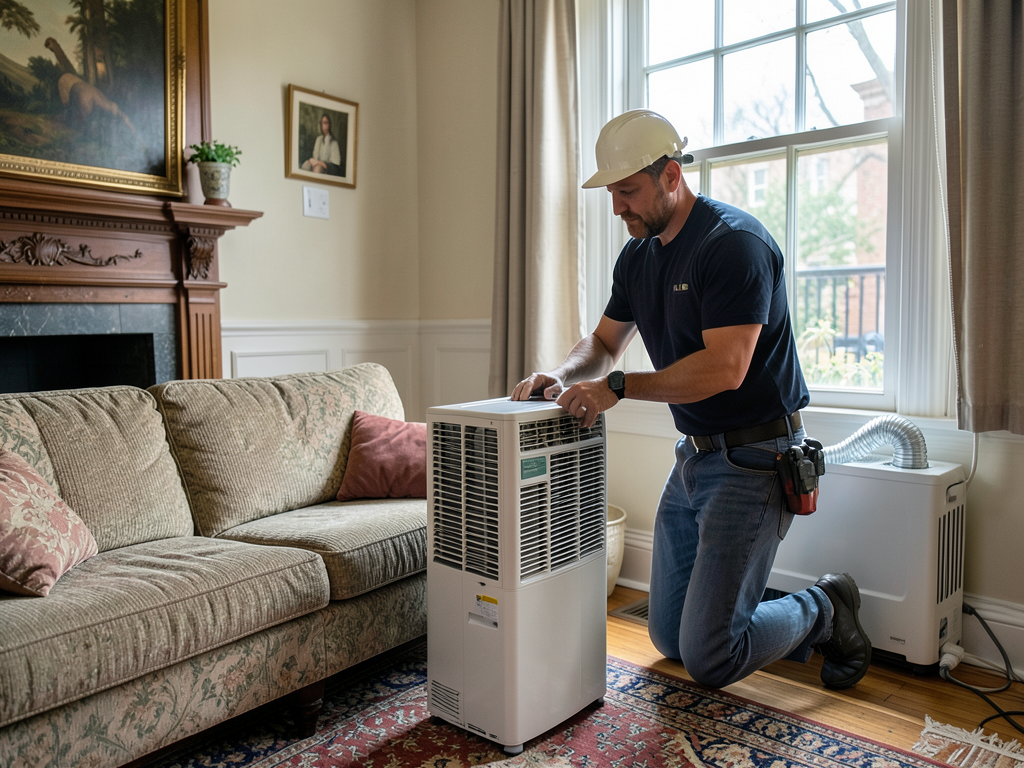
Non-Permanent Cooling Solutions for Renters in the Lower Haight Living in a classic Lower Haight Victorian or Edwardian apartment means dealing with beautiful architecture but often outdated cooling systems. Most renters face the same dilemma:…
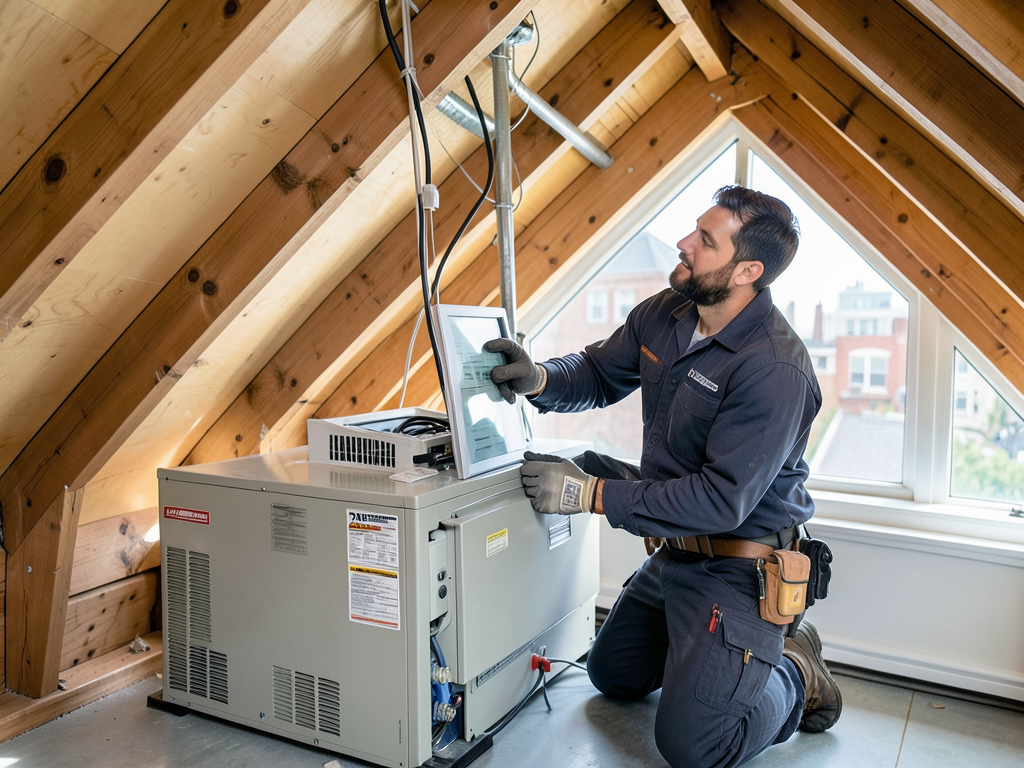
Heating and Cooling Solutions for Sunnyside Attic and Basement Conversions Converting your Sunnyside attic or…
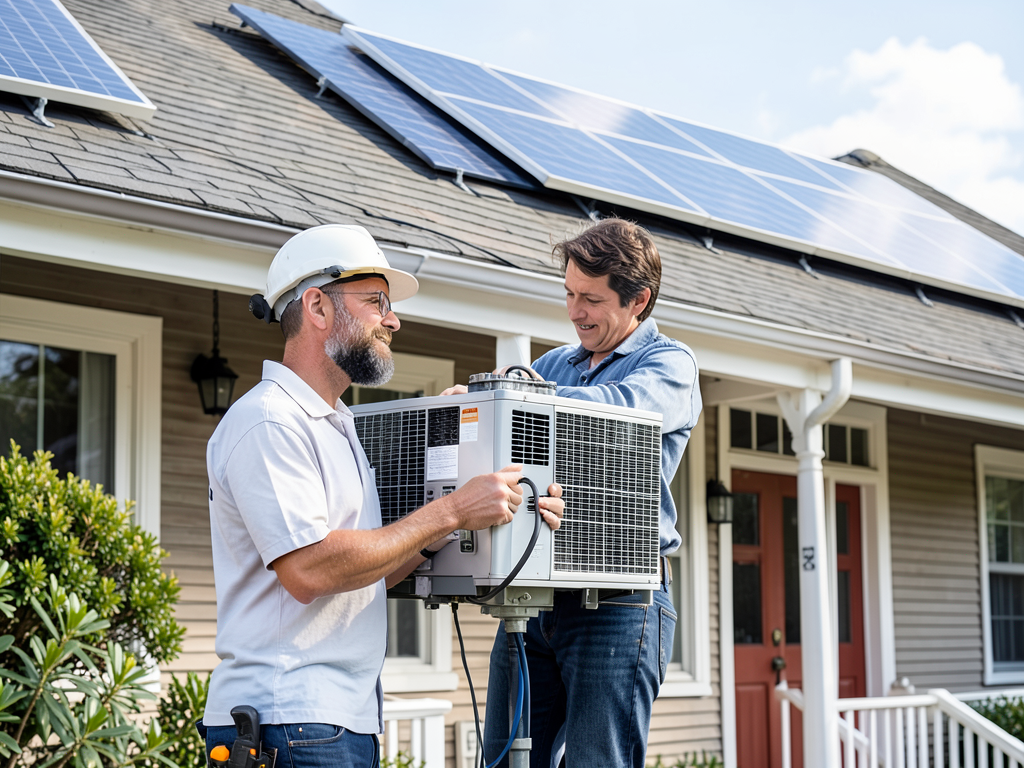
Pairing Your San Francisco Solar Panels with a High Efficiency Heat Pump If you have…
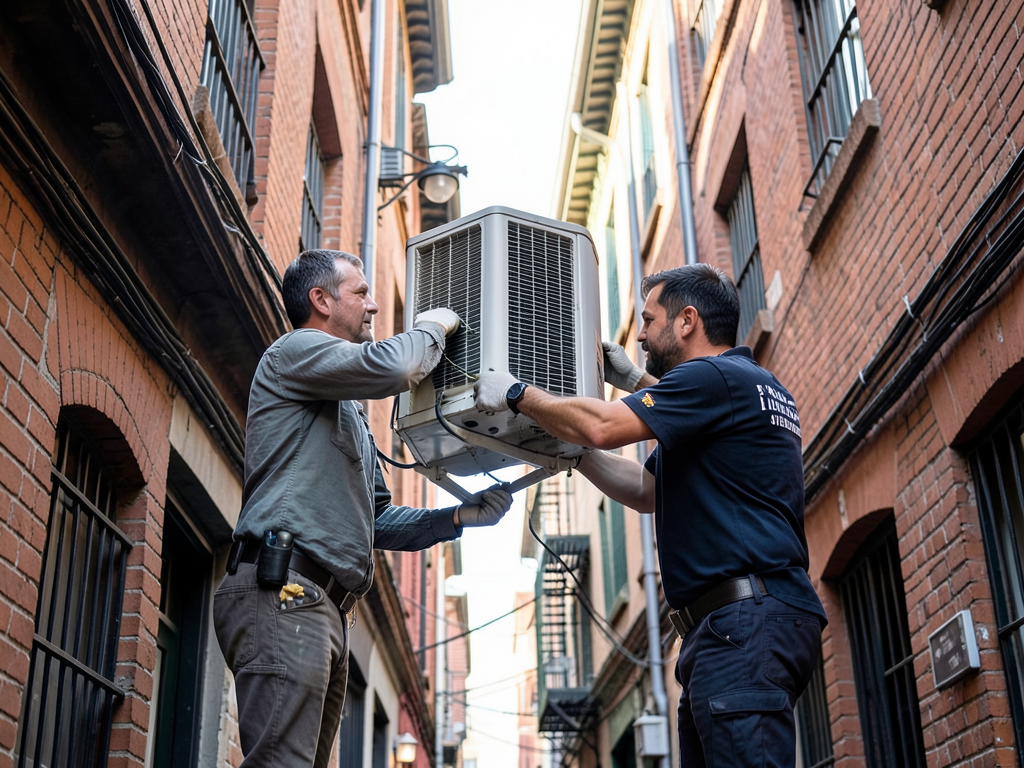
Energy Efficient HVAC Upgrades for Small Businesses in Chinatown Small businesses in San Francisco's Chinatown…
Your comfort can't wait. Call Atlas HVAC San Francisco at (628) 201-6600 now for same-day HVAC repair service in Livermore. Our technicians are ready to respond to your emergency with the parts and expertise to fix your system today.