




menu

Boiler Services in San Francisco | Comprehensive Repair, Maintenance, and Installation for Residential and Commercial Properties

United HVAC Kansas City delivers complete boiler solutions for San Francisco homes and businesses, from emergency repairs and precision diagnostics to full system replacements and seasonal maintenance plans.

Slider Image 1
Slider Image 2
Slider Image 3
Slider Image 4
Slider Image 5
Slider Image 7
Slider Image 8
Slider Image 9
Slider Image 10
Slider Image 11

Why San Francisco's Marine Climate Demands Specialized Boiler Care

San Francisco's persistent fog and salt air create unique challenges for boiler systems. The moisture-laden marine layer accelerates corrosion on heat exchangers, flue pipes, and control components. You might notice rust stains around the boiler cabinet, or a pilot light that keeps extinguishing without explanation. These are not random failures. The salt particles carried inland from the Pacific Ocean create electrochemical reactions that deteriorate metal surfaces faster than in drier climates.

The city's narrow temperature swings mean your boiler cycles more frequently than units in regions with extreme winters. This constant on-off operation stresses igniters, gas valves, and circulator pumps. Many Victorian and Edwardian homes in neighborhoods like the Mission and Noe Valley still rely on cast iron radiator systems connected to aging boilers. The thermal expansion and contraction in these closed-loop systems can develop leaks at threaded connections, especially when the original black iron piping shows its age.

Commercial properties face additional pressure. Multi-unit buildings in SoMa and the Financial District require consistent hot water delivery for dozens of tenants. A single boiler failure can cascade into tenant complaints, emergency calls, and potential code violations. The San Francisco Department of Building Inspection requires annual inspections for commercial boiler installations, and deferred maintenance creates compliance risks.

Whether you need boiler repair after a breakdown, preventive boiler maintenance before winter fog season, or complete boiler installation for a seismic retrofit project, understanding these local factors prevents costly emergency calls. Proper boiler servicing addresses salt corrosion before it penetrates critical components.

Why San Francisco's Marine Climate Demands Specialized Boiler Care
How We Diagnose and Resolve Boiler Problems

How We Diagnose and Resolve Boiler Problems

We start every service call with combustion analysis. A digital analyzer measures flue gas composition, draft pressure, and carbon monoxide levels. This tells us whether your burner is running lean or rich, which affects efficiency and safety. Most homeowners never see this step, but it reveals problems invisible to visual inspection. A yellow flame instead of blue indicates incomplete combustion. Soot accumulation on the heat exchanger surfaces reduces thermal transfer and raises your gas bills.

Next, we test system pressure and temperature differentials. Hydronic boiler systems should maintain 12 to 15 psi when cold. If pressure drops below this range, you have a leak somewhere in the closed loop. We use thermal imaging to trace piping runs behind walls and under floors, identifying hot spots that indicate circulation problems or cold zones that signal air locks. The temperature differential between supply and return lines should fall within a specific range based on your system design. Deviations point to pump failure or zone valve malfunctions.

For boiler replacement projects, we calculate heat loss for each room using Manual J protocols. San Francisco's mild climate means many existing boilers are oversized by 30 to 40 percent. An oversized unit short-cycles, which wastes fuel and reduces equipment lifespan. We match boiler output to actual load requirements, factoring in building envelope improvements like updated windows or added insulation.

Control system verification comes last. Modern boilers use integrated circuit boards that manage ignition sequences, flame sensing, and safety lockouts. We test these components under load conditions, not just at idle. A control board might pass basic diagnostic checks but fail when the system calls for heat repeatedly. This explains intermittent problems that disappear when a technician arrives.

What Happens During Your Boiler Service Visit

Boiler Services in San Francisco | Comprehensive Repair, Maintenance, and Installation for Residential and Commercial Properties
01

Initial System Assessment

Our technician arrives with diagnostic equipment and reviews your service history. We ask about recent performance issues, strange sounds, or changes in heating patterns. The visual inspection covers the boiler cabinet, venting system, and piping connections. We check for active leaks, rust formation, and proper clearances around the unit. Gas pressure readings at the meter and manifold confirm adequate supply. This assessment takes 15 to 20 minutes and identifies immediate safety concerns.
02

Component Testing and Repair

We cycle the boiler through multiple ignition sequences while monitoring flame characteristics and safety controls. Circulator pumps get amp draw testing to verify motor health. Zone valves receive manual operation checks to confirm proper actuation. If we find failed components, we explain the problem, show you the defective part, and provide replacement options. Most repairs finish during the same visit. Complex issues like heat exchanger replacement require ordering specific parts and scheduling a follow-up appointment.
03

Performance Verification and Documentation

After repairs or maintenance, we run the system through a complete heating cycle. Temperature measurements at radiators or baseboard units confirm proper heat distribution. The final combustion analysis ensures efficient, safe operation. You receive a detailed service report showing all test results, work performed, and recommended maintenance intervals. For commercial properties, we provide documentation that satisfies San Francisco inspection requirements. We also set up optional reminder notifications for your next scheduled boiler maintenance visit.

Why San Francisco Properties Trust Our Boiler Expertise

We understand the specific challenges of maintaining heating systems in San Francisco's coastal microclimate. Our technicians carry parts inventory for the boiler brands most common in the Bay Area, including older models still running in pre-1950 buildings. When you call about a Weil-McLain, Burnham, or Peerless boiler that other companies consider obsolete, we know where to source components and how to adapt modern controls to vintage systems.

The city's seismic codes affect boiler installation requirements. Units must have proper bracing and flexible gas connections that accommodate ground movement. We follow the California Mechanical Code amendments specific to San Francisco, including enhanced venting requirements for buildings over three stories. These details matter during permit inspections and protect your property investment.

Commercial clients value our capacity to service large-capacity boilers in multi-family buildings and business properties. We schedule work during low-occupancy hours to minimize disruption. Our team coordinates with property managers to notify tenants and maintain heat during repairs. For buildings with dual boiler configurations, we can isolate and service one unit while the backup maintains building heat.

The relationship continues after installation or repair. We track service histories digitally, so every technician who visits your property knows exactly what work happened previously. This prevents redundant diagnostics and speeds up problem resolution. Annual boiler maintenance contracts include priority scheduling, which matters when you need service during the busiest months.

You also get straightforward communication. We explain problems in plain terms, show you what needs attention, and distinguish between urgent repairs and items you can defer. This transparency helps you make informed decisions about boiler replacement timing versus continued repairs on aging equipment.

What to Expect from Our Boiler Services

Response Times and Availability

Emergency boiler repair calls get same-day response in most San Francisco neighborhoods. We dispatch technicians based on location to minimize your wait time. During business hours, you can typically expect arrival within three to four hours. After-hours emergency service is available for critical failures, though response times extend to four to six hours depending on call volume. Scheduled maintenance appointments offer flexible timing, including early morning and evening slots for residential clients. Commercial properties can arrange weekend service to avoid business interruption. We confirm appointments the day before and provide a two-hour arrival window, then call 30 minutes out so you are not waiting around.

Diagnostic Process and Estimates

The initial diagnostic fee covers the first hour of labor and all testing procedures. If you approve recommended repairs during that visit, we apply the diagnostic fee toward the total service cost. Written estimates break down parts and labor separately, with clear descriptions of each line item. For complex projects like boiler installation, we provide detailed proposals that specify equipment models, efficiency ratings, and projected completion timelines. You receive options at different price points when multiple solutions exist. We never start work beyond basic diagnostics without your explicit approval. Emergency repairs that prevent property damage or restore heat get verbal authorization, followed by written documentation.

Quality Standards and Workmanship

Every boiler repair and installation meets current mechanical codes and manufacturer specifications. We use OEM parts for all major components, which maintains equipment warranties and ensures proper fit. Soldered copper joints on hydronic systems get cleaned and fluxed properly, not rushed. Gas piping connections receive bubble testing to verify leak-free operation. New boiler installations include system flushing to remove installation debris, proper venting with sealed combustion where applicable, and complete control calibration. You receive documentation of all work performed, including permit numbers for installations requiring city approval. Our work area gets cleaned before we leave, with all packaging and old parts removed unless you request otherwise.

Maintenance Plans and Follow-Up

Annual boiler maintenance contracts include a complete inspection and tune-up before each heating season. We clean the heat exchanger, test all safety controls, verify proper combustion, and check system pressure. Contract customers receive priority scheduling and discounted repair rates. We send reminder notifications when your service date approaches and can schedule automatically based on your preferences. For new boiler installations, we recommend a follow-up visit 30 days after startup to verify proper operation and adjust controls if needed. This catch-any issues before the manufacturer warranty period expires. Commercial properties can arrange quarterly inspections to maintain optimal performance and document regulatory compliance.

Frequently Asked Questions

You Have Questions,
We Have Answers

How much should a full boiler service cost? +

A full boiler service in San Francisco typically costs between $150 and $350, depending on system type and complexity. Costs vary based on boiler size, fuel source (gas or oil), and accessibility. San Francisco's older building stock, especially in neighborhoods like Noe Valley and Pacific Heights, can require additional time due to tight mechanical rooms or dated equipment. Annual service contracts often reduce per-visit costs. Factors affecting price include necessary part replacements, the technician's travel time across the city's challenging terrain, and whether your system requires specialized tools. Get multiple quotes and confirm the scope of work before scheduling.

What is included in a boiler service? +

A comprehensive boiler service includes inspecting the heat exchanger, burner, and flue for carbon buildup or corrosion. Technicians test safety controls like pressure relief valves and low-water cutoffs, check combustion efficiency, and clean components to maintain peak performance. They inspect the circulator pump, expansion tank, and pressure gauge, plus examine venting systems for blockages or leaks. In San Francisco's fog-prone climate, moisture-related issues like corroded connections receive extra attention. The technician also checks for gas leaks, adjusts burner settings, and verifies proper flame pattern. You receive a detailed report identifying any concerns and recommended repairs.

How much should boiler maintenance cost? +

Boiler maintenance in San Francisco generally costs $150 to $300 for annual service. Preventive maintenance is less expensive than emergency repairs and extends equipment life. Many contractors offer maintenance plans that bundle annual service with priority scheduling and discounted repairs. Costs depend on boiler type, fuel source, and system age. Older cast-iron boilers common in San Francisco's Victorian and Edwardian homes may require more extensive cleaning. Regular maintenance prevents costly breakdowns during cold snaps and maintains efficiency, reducing monthly energy bills. Factor in potential savings from improved fuel efficiency when evaluating maintenance costs.

How often does a boiler need to be serviced? +

You should service your boiler annually, ideally before heating season begins in late fall. San Francisco's mild climate can tempt homeowners to skip service, but annual maintenance remains critical for safety and efficiency. Older systems or boilers running constantly may benefit from biannual service. Regular inspections catch small issues before they become expensive failures. Annual service ensures carbon monoxide safety, maintains warranty coverage, and optimizes fuel efficiency. Buildings in coastal neighborhoods like the Sunset District face accelerated corrosion from salt air and need consistent monitoring. Schedule service in September or October to avoid the rush and ensure your system operates safely.

What are signs my boiler needs a service? +

Warning signs include unusual noises like banging, whistling, or gurgling, which indicate air in the system or failing components. Watch for inconsistent heating, yellow or flickering flames instead of blue, and unexplained increases in energy bills. Visible leaks, frequent pressure drops, or the system cycling on and off repeatedly signal problems. In San Francisco's damp climate, rust or corrosion around the unit demands immediate attention. A sulfur or rotten egg smell suggests a gas leak requiring emergency service. Black soot around the boiler or staining on walls indicates incomplete combustion and potential carbon monoxide risk. Address these signs immediately.

What is the lifespan of a boiler? +

A well-maintained boiler lasts 15 to 30 years, depending on type and usage. Cast-iron boilers common in San Francisco's historic homes often reach 25 to 30 years with proper care. Modern condensing boilers typically last 15 to 20 years but offer superior efficiency. Factors affecting lifespan include water quality, maintenance frequency, and installation quality. San Francisco's moderate climate reduces thermal stress compared to extreme-weather regions, potentially extending life. However, coastal moisture accelerates corrosion in poorly maintained systems. Annual service, water treatment, and addressing minor issues promptly maximize your investment. Plan for replacement when repairs exceed half the cost of a new unit.

What are common boiler problems? +

Common boiler problems include pressure loss from leaks or faulty pressure relief valves, thermostat malfunctions causing erratic heating, and circulator pump failures preventing water circulation. Pilot light or ignition issues stop the system from firing, while sediment buildup reduces efficiency and causes overheating. Frozen or blocked condensate lines affect condensing boilers. In San Francisco, corrosion from coastal humidity damages heat exchangers and piping connections. Expansion tank failures cause pressure spikes, and air trapped in radiators creates cold spots. Delayed maintenance worsens most issues. Strange noises often indicate scaling, trapped air, or pump problems requiring professional diagnosis and repair.

How much is an ideal boiler service? +

An ideal boiler service costs $175 to $300 in San Francisco and includes comprehensive inspection, cleaning, and safety testing. This price reflects thorough work by qualified technicians using proper diagnostic tools. Beware of unusually low prices that cut corners on safety checks or combustion analysis. Quality service includes checking all safety controls, testing for gas leaks, measuring combustion efficiency, and cleaning critical components. The technician should provide a detailed report with photos and recommendations. Consider value beyond price. Skilled technicians catch problems early, preventing expensive emergency repairs. Annual maintenance contracts often provide the best value with predictable costs and priority service.

Do you really need a boiler service? +

Yes. Annual boiler service is essential for safety, efficiency, and longevity. Boilers produce carbon monoxide, a deadly gas undetectable without proper equipment. Service confirms venting works correctly and combustion is complete. Regular maintenance prevents small issues from becoming expensive failures, especially in San Francisco's older building stock where original boilers may still operate. Skipping service voids most manufacturer warranties and allows efficiency to decline, wasting fuel. San Francisco's coastal environment accelerates corrosion, making inspection critical. The cost of annual service is minimal compared to emergency repairs or premature replacement. Professional service protects your family and your investment.

What is the $5000 rule for HVAC? +

The $5,000 rule suggests replacing HVAC equipment when repair costs exceed half the price of new equipment. If your boiler repair estimate is $2,500 and a new boiler costs $5,000, replacement makes better financial sense. This guideline considers the age and efficiency of existing equipment. Older boilers use more fuel and lack modern safety features. Factor in potential energy savings from high-efficiency models, available rebates through PG&E, and the likelihood of future repairs. In San Francisco's older homes, upgrading to a condensing boiler can significantly reduce heating costs. Consult a qualified technician to evaluate your specific situation before deciding.

How San Francisco's Building Stock Affects Boiler Service Requirements

The concentration of buildings constructed before 1950 creates specific challenges for boiler services in San Francisco. Original heating systems in Victorian and Edwardian structures used gravity-fed hot water or steam radiators designed for coal-fired boilers. Converting these systems to modern gas boilers requires careful sizing and pressure management. The cast iron radiators and oversized piping in these homes dissipate heat differently than modern baseboard systems. Proper boiler replacement must account for these legacy components. Many Richmond District and Sunset District properties still have original radiators that need specific flow rates and supply temperatures. Forcing modern high-efficiency boilers into old distribution systems without proper adjustments leads to short-cycling and comfort complaints.

San Francisco's mandatory seismic retrofit requirements affect boiler installation procedures throughout the city. Soft-story buildings and unreinforced masonry structures require additional bracing for mechanical equipment. The Department of Building Inspection enforces strict compliance with California Mechanical Code Chapter 16, which specifies earthquake-resistant construction for HVAC systems. We maintain current knowledge of these local amendments because generic installation practices do not satisfy San Francisco inspectors. Commercial boiler servicing in multi-family buildings also requires coordination with HOA boards and property managers familiar with local regulations. This local expertise prevents failed inspections and ensures your heating system meets safety standards specific to the Bay Area's seismic zone.
HVAC Services in The San Francisco Area

While we provide mobile service across the entire San Francisco area, you can locate our main office and service dispatch hub on the map below. We are proud to serve all neighborhoods, from the Financial District to the Sunset and Richmond areas, ensuring swift response times for all your heating and cooling needs. Feel free to stop by our location or easily invite our professional team to your residential or commercial property for a consultation.

Address:
Atlas HVAC San Francisco, 1390 Market St, San Francisco, CA, 94102

Additional Services We Offer

Our news updates

Latest Articles & News from The Blogs

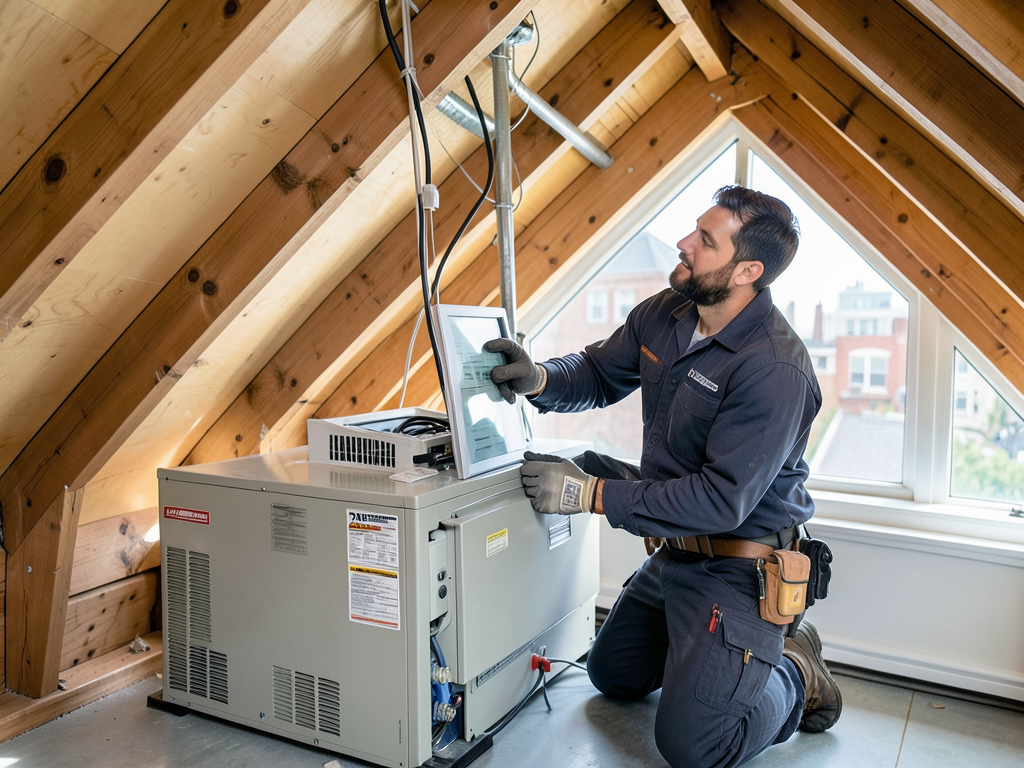
Heating and Cooling Solutions for Sunnyside Attic and Basement Conversions Converting your Sunnyside attic or basement into livable space requires…

Heating and Cooling Solutions for Sunnyside Attic and Basement Conversions

Heating and Cooling Solutions for Sunnyside Attic and Basement Conversions Converting your Sunnyside attic or basement into livable space requires…

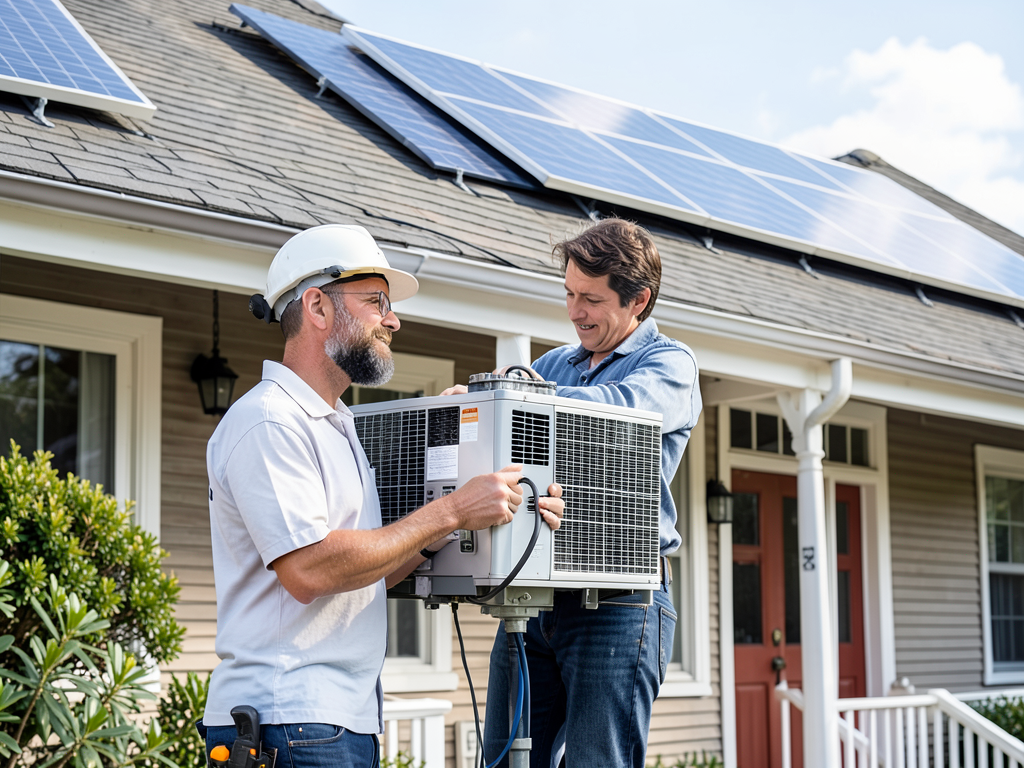
Pairing Your San Francisco Solar Panels with a High Efficiency Heat Pump

Pairing Your San Francisco Solar Panels with a High Efficiency Heat Pump If you have solar panels on your San…

Energy Efficient HVAC Upgrades for Small Businesses in Chinatown

Energy Efficient HVAC Upgrades for Small Businesses in Chinatown Small businesses in San Francisco's Chinatown face unique challenges when it…

Contact Us

Your boiler keeps your property comfortable and your business running. Call United HVAC Kansas City at (628) 201-6600 for expert diagnosis and repair. We respond quickly and fix it right the first time.