




menu

Commercial Refrigeration Services in San Francisco – Protecting Your Revenue Stream with Minimal Business Disruption

Atlas HVAC San Francisco delivers commercial refrigeration repair, maintenance, and installation solutions engineered to keep your operation running while meeting California Title 24 energy compliance standards.

Slider Image 1
Slider Image 2
Slider Image 3
Slider Image 4
Slider Image 5
Slider Image 7
Slider Image 8
Slider Image 9
Slider Image 10
Slider Image 11

Why Commercial Refrigeration Failure Costs San Francisco Businesses More Than Equipment Replacement

Your commercial refrigeration system represents a direct link to operational revenue. When walk-in coolers, display cases, or refrigerated storage units fail, you face product loss, health department violations, and immediate business interruption. In San Francisco, the stakes climb higher due to stringent San Francisco Department of Public Health protocols and California's aggressive energy compliance mandates under Title 24.

San Francisco's marine layer creates unique humidity challenges for commercial refrigeration systems. Coastal moisture accelerates evaporator coil corrosion, degrades door gaskets faster, and increases compressor workload. Facilities in the Financial District, Mission Bay, and Fisherman's Wharf operate in microclimates where salt air compounds these effects. A refrigeration failure in a restaurant means lost inventory, potential health code citations from SF Environmental Health, and revenue loss during peak tourist seasons.

Commercial refrigeration contractors must understand the intersection of California Energy Code requirements, refrigerant phaseout schedules under CARB regulations, and local permitting through San Francisco's Department of Building Inspection. Systems installed before 2020 often use refrigerants now restricted or phased out, requiring proactive commercial refrigeration maintenance planning to avoid emergency shutdowns. Your business cannot afford reactive approaches when compliance violations carry closure risk.

Commercial refrigeration installation and repair demand expertise in glycol systems, rack refrigeration, and specialized applications from pharmaceutical-grade storage to high-volume food service. The equipment protecting your inventory requires commercial refrigeration companies that treat downtime as the operational emergency it represents. Every hour offline translates to quantifiable loss.

Why Commercial Refrigeration Failure Costs San Francisco Businesses More Than Equipment Replacement
How Atlas HVAC San Francisco Executes Commercial Refrigeration Solutions

How Atlas HVAC San Francisco Executes Commercial Refrigeration Solutions

Commercial refrigeration repair begins with system diagnostics that identify failure points before they cascade. We measure superheat and subcooling across compressor stages, analyze discharge pressures, and evaluate electronic expansion valve response times. This diagnostic protocol isolates compressor inefficiency, refrigerant charge issues, or controls failures that cause temperature drift. For businesses, this means we identify the actual problem rather than replacing components through trial and error.

Our commercial refrigeration maintenance protocols address the specific wear patterns San Francisco's climate creates. We schedule evaporator coil cleaning to remove the salt and mineral buildup that restricts airflow and reduces heat transfer efficiency. Door gasket replacement happens on documented intervals because coastal humidity degrades seal integrity faster than inland locations. We test defrost cycle timing because San Francisco's temperature swings between microclimates mean systems cycle differently than manufacturer baselines assume.

Commercial refrigeration installation projects require load calculations that account for California's aggressive energy efficiency standards. We size compressor racks for actual heat load, not manufacturer recommendations, because undersized systems run continuously and oversized systems short-cycle. Both scenarios waste energy and violate Title 24 compliance margins. We specify scroll compressors for sound-sensitive locations, semi-hermetic compressors for serviceability, and screw compressors for large-tonnage applications. Equipment selection directly impacts operating cost and reliability.

Refrigerant management follows EPA Section 608 protocols and California's stricter CARB standards. We document refrigerant recovery, track system charge weights, and plan phaseout transitions for R-22 and R-404A systems. This administrative discipline protects your business from compliance penalties while maintaining operational continuity through industry transitions.

What Happens During Commercial Refrigeration Service

Commercial Refrigeration Services in San Francisco – Protecting Your Revenue Stream with Minimal Business Disruption
01

System Evaluation

We assess current refrigeration performance through pressure-temperature analysis, amperage draws on compressor motors, and temperature differential measurements across evaporator coils. This diagnostic phase identifies whether you face imminent failure, efficiency degradation, or compliance gaps. We document findings with thermal imaging and pressure logs that quantify system health. You receive actionable data on whether to repair, retrofit, or replace based on operating cost projections and remaining equipment service life.
02

Corrective Implementation

Commercial refrigeration repair work happens during your lowest-traffic hours to minimize business impact. We stage replacement components before shutdown, coordinate with your staff on product transfer protocols, and execute repairs with the system offline for the shortest possible window. For installations, we prefabricate refrigerant piping, pre-wire control panels, and pressure-test systems before commissioning. Our approach treats your operational schedule as the primary constraint. Downtime costs you money, we engineer solutions around that reality.
03

Performance Verification

We monitor system performance across complete refrigeration cycles before closing service tickets. Temperature pull-down times must meet specifications. Compressor discharge temperatures must fall within operating ranges. We verify defrost cycles complete properly and door heaters function correctly. You receive documentation showing system performance meets manufacturer specifications and California energy code requirements. This verification protects you from callbacks and confirms the equipment will perform as required. We do not consider work complete until measurable performance standards are met.

Why San Francisco Businesses Choose Atlas HVAC for Commercial Refrigeration

Commercial refrigeration failures create immediate business risk. You need commercial refrigeration contractors who respond to emergency calls and execute repairs correctly the first time. Atlas HVAC San Francisco maintains component inventory for common commercial systems because waiting for parts extends your downtime and compounds losses. We stock compressors, expansion valves, pressure controls, and evaporator fans for the equipment types dominant in San Francisco's commercial sector.

Our technicians hold EPA Universal certification for refrigerant handling and complete ongoing training on evolving refrigerant regulations. California's phaseout schedules and CARB compliance requirements change frequently. We track these regulatory shifts so your business maintains compliance without dedicating internal resources to monitoring environmental codes. When San Francisco Department of Building Inspection requires permits for refrigeration work, we manage that administrative process as part of service delivery.

We understand the operational tempo of San Francisco businesses. Restaurants in North Beach face different demands than biotech cold storage facilities in Mission Bay or grocery operations in the Sunset District. Your refrigeration needs vary by application, and we calibrate our approach accordingly. High-volume food service requires redundancy planning. Pharmaceutical storage demands temperature mapping and validation protocols. Retail refrigeration focuses on display case efficiency and product visibility. We match technical solutions to business requirements rather than applying generic approaches.

Commercial refrigeration maintenance contracts provide scheduled service that reduces emergency failures. Planned maintenance costs less than emergency repairs, and scheduled downtime happens when you choose rather than when equipment fails. We build maintenance schedules around your peak seasons and low-traffic periods. Your business continuity drives our service timing.

What You Should Expect from Commercial Refrigeration Service

Emergency Response and Scheduling

Commercial refrigeration emergencies receive priority response because equipment failure threatens inventory and creates health code violations. We dispatch technicians to assess system failures and determine whether repairs can restore operation or if temporary refrigeration is needed while sourcing components. For non-emergency service, we schedule work during your specified low-traffic windows. Installation projects receive project timelines with milestone dates for equipment delivery, rough-in work, and final commissioning. You know when work starts, what disruption to expect, and when systems will be operational. Transparency in scheduling lets you plan around service work rather than reacting to uncertain timelines.

Diagnostic Process and Repair Recommendations

Commercial refrigeration diagnostics identify root causes rather than symptoms. A system that cannot maintain temperature might have compressor failure, refrigerant leaks, failed expansion valves, or controls issues. We test each component systematically, measure actual performance against specifications, and provide findings with supporting data. You receive repair recommendations with cost-benefit analysis. If a compressor replacement costs 60 percent of new equipment value and the system is 12 years old, that context matters for your capital planning. We present technical findings and cost implications so you make informed decisions about repair versus replacement investments.

System Performance and Compliance Documentation

Completed commercial refrigeration work includes performance verification documentation. You receive records showing system pressures, temperatures, and operating parameters meet specifications. For new installations, we provide Title 24 compliance documentation required for San Francisco building permits. Refrigerant management records document charge weights and recovery procedures per EPA requirements. This documentation protects your business during health department inspections and provides maintenance history for future service needs. Performance data also establishes baseline metrics for monitoring system degradation over time. When efficiency drops, historical records reveal the decline rate and inform maintenance timing decisions.

Maintenance Agreements and Preventive Service

Commercial refrigeration maintenance contracts provide scheduled service that addresses wear before failures occur. Contracts include evaporator coil cleaning, refrigerant charge verification, controls calibration, and door gasket inspection. Scheduled maintenance reduces emergency service calls by identifying problems during planned visits. You receive service reports after each maintenance visit documenting work performed and any developing issues that require attention. Maintenance agreements also provide priority scheduling for emergency calls and preferred pricing on repairs. For businesses dependent on refrigeration, planned maintenance reduces total operating cost compared to reactive repair approaches.

Frequently Asked Questions

You Have Questions,
We Have Answers

How San Francisco's Marine Climate Accelerates Commercial Refrigeration Deterioration

San Francisco's coastal location exposes commercial refrigeration equipment to salt air that corrodes evaporator coils and condenser fins faster than inland environments. Businesses in Fisherman's Wharf, the Embarcadero, and Marina District face accelerated equipment degradation because salt deposits reduce heat transfer efficiency and create pinhole leaks in copper tubing. The marine layer's persistent moisture also compromises electrical components and control boards. Commercial refrigeration contractors familiar with coastal wear patterns adjust maintenance intervals and specify corrosion-resistant materials during installations. Equipment that might last 15 years in Sacramento faces a 10-year service life in San Francisco without aggressive preventive maintenance.

California's Title 24 energy code and San Francisco's local environmental ordinances create compliance requirements that exceed federal standards. Commercial refrigeration installation projects must meet minimum efficiency ratings, use approved refrigerants, and include commissioning reports. San Francisco Department of Building Inspection requires permits for refrigeration work involving refrigerant quantities above threshold limits. Working with commercial refrigeration companies that understand local permitting saves project time and avoids compliance delays. We maintain relationships with San Francisco plan reviewers and understand the documentation requirements that expedite permit approval. Local expertise translates to faster project completion and fewer administrative complications.
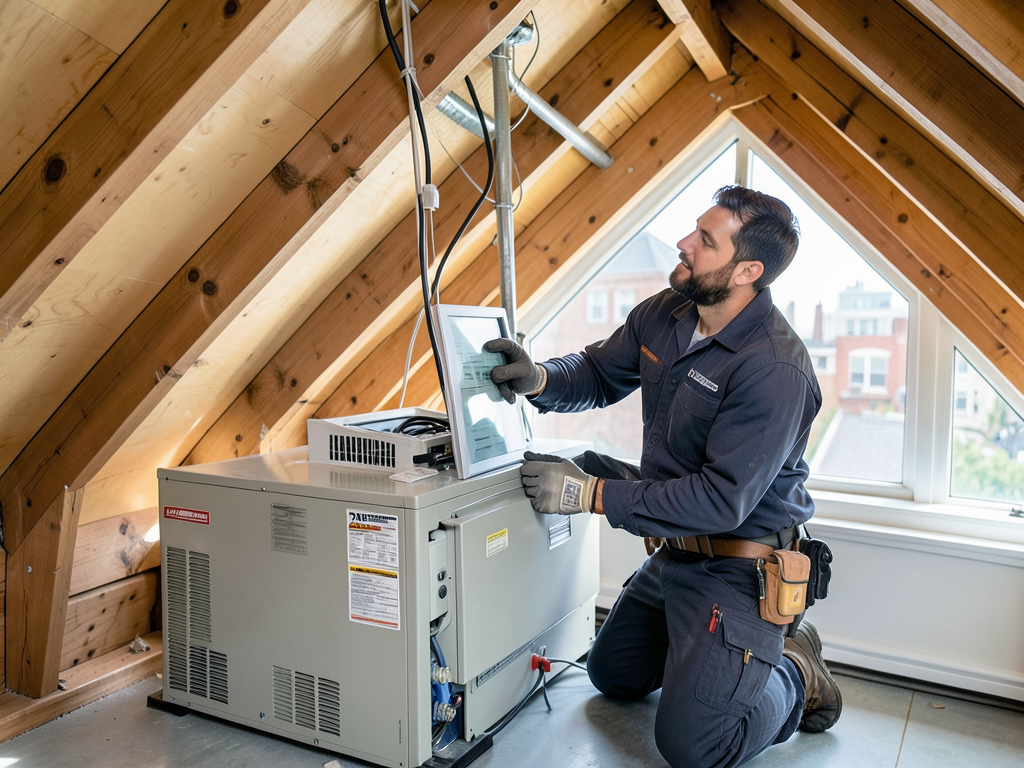

HVAC Services in The San Francisco Area

While we provide mobile service across the entire San Francisco area, you can locate our main office and service dispatch hub on the map below. We are proud to serve all neighborhoods, from the Financial District to the Sunset and Richmond areas, ensuring swift response times for all your heating and cooling needs. Feel free to stop by our location or easily invite our professional team to your residential or commercial property for a consultation.

Address:
Atlas HVAC San Francisco, 1390 Market St, San Francisco, CA, 94102

Additional Services We Offer

Our news updates

Latest Articles & News from The Blogs

Whole House Air Scrubber vs HEPA Filter (Which is Better for San Francisco Smog) San Francisco’s unique coastal climate and…

Whole House Air Scrubber vs HEPA Filter (Which is Better for San Francisco Smog)

Whole House Air Scrubber vs HEPA Filter (Which is Better for San Francisco Smog) San Francisco’s unique coastal climate and…

Comparing Daikin and Fujitsu Heat Pumps for the San Francisco Climate

Comparing Daikin and Fujitsu Heat Pumps for the San Francisco Climate San Francisco homeowners face unique challenges when selecting heat…

How High Velocity HVAC Fits Into San Francisco Homes with No Duct Space

How High Velocity HVAC Fits Into San Francisco Homes with No Duct Space San Francisco’s historic Victorian and Edwardian homes…

Contact Us

Equipment failure costs you inventory, revenue, and compliance risk. Atlas HVAC San Francisco provides commercial refrigeration solutions that keep your operation running. Call (628) 201-6600 now for emergency service or to schedule a system evaluation.