



menu

Smart Thermostat Benefits in San Francisco – Cut Energy Costs and Gain Total Climate Control

Discover how wifi-enabled thermostats reduce your heating bills, adapt to microclimates across neighborhoods like the Mission and Sunset, and give you remote control over comfort in one of the most temperature-variable cities in the country.

Slider Image 1
Slider Image 2
Slider Image 3
Slider Image 4
Slider Image 5
Slider Image 7
Slider Image 8
Slider Image 9
Slider Image 10
Slider Image 11

Why San Francisco Homes Need Smarter Climate Control

San Francisco presents a climate control puzzle that confuses traditional thermostats. You can wake up to 52 degrees in the Outer Sunset, drive to 78 degrees in the Mission by noon, then shiver through 58-degree fog rolling in by dinner. Your old analog thermostat cannot anticipate these swings. It heats when you do not need it, runs the furnace while you are stuck in traffic on the 101, and leaves you cold when marine layer fog blankets your neighborhood at 4 PM.

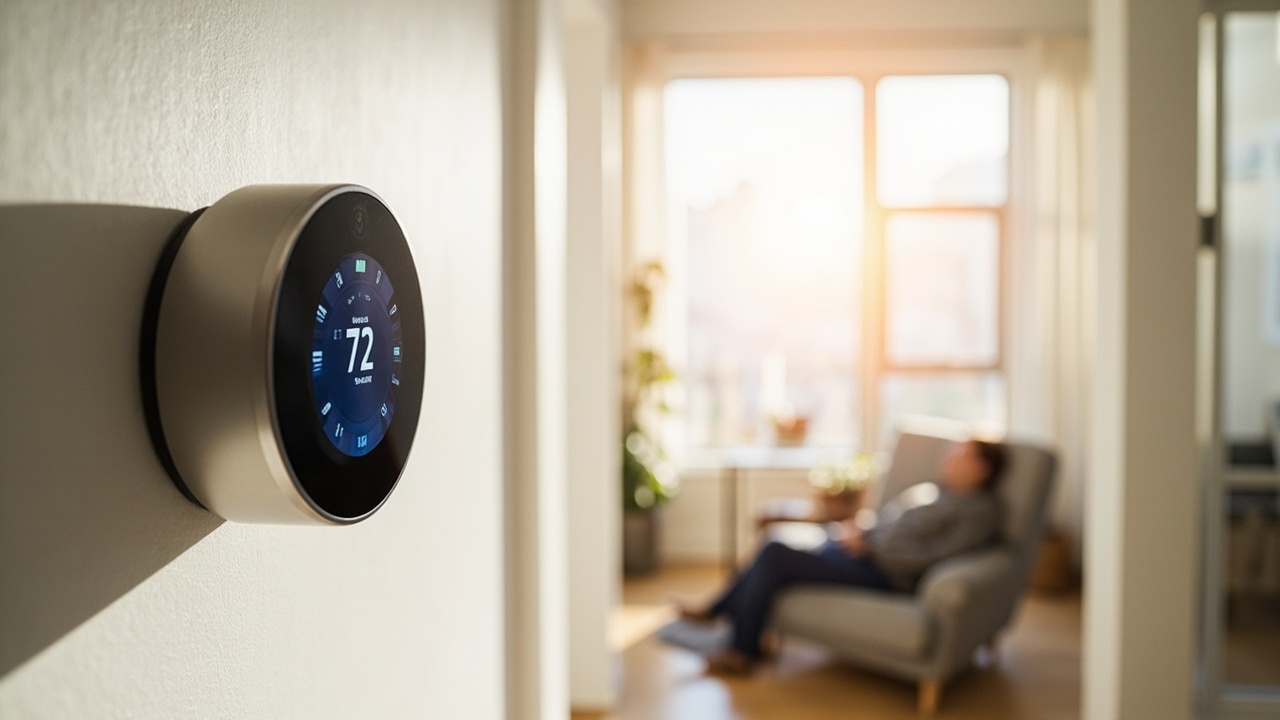
The advantages of smart thermostats become clear when you live in a city with 200 microclimates. A connected thermostat learns your schedule, tracks local weather patterns specific to your zip code, and adjusts heating cycles before the temperature drops. You stop paying to heat an empty house during your commute to SoMa or while you are walking the dog at Fort Funston.

The value of smart thermostats extends beyond convenience. San Francisco's aging housing stock, much of it built before 1950, leaks conditioned air through single-pane windows and uninsulated walls. A wifi thermostat compensates by running your HVAC system more efficiently, reducing runtime without sacrificing comfort. You gain data on exactly when your system works hardest, which helps identify insulation problems or duct leaks before they cost you hundreds in wasted energy. The pros of wifi thermostats show up on your PG&E bill within the first month.

Why San Francisco Homes Need Smarter Climate Control
How Connected Thermostats Optimize Your HVAC System

How Connected Thermostats Optimize Your HVAC System

Smart thermostats work by integrating three core technologies: occupancy sensors, geofencing, and machine learning algorithms. Occupancy sensors detect when rooms are empty and prevent your furnace from heating vacant spaces. Geofencing uses your smartphone's location to trigger heating cycles 20 minutes before you arrive home, so you walk into a warm house without running the system all day.

The machine learning component studies your behavior over two to three weeks. It tracks when you adjust the temperature, correlates those changes with outdoor conditions, and builds a heating profile unique to your household. If you always bump the thermostat up on foggy mornings in Noe Valley, the system learns that pattern and automates it. You stop micromanaging your comfort.

Atlas HVAC San Francisco installs smart thermostats with zone control integration, which matters in multi-story San Francisco Victorians where heat rises and leaves the first floor cold. We wire the thermostat to modulating furnaces that adjust flame height based on real-time demand, not just on/off cycling like older systems. This prevents the temperature swings you get with standard thermostats that overshoot your setpoint by three or four degrees.

The reasons to upgrade to a smart thermostat include compatibility with variable-speed blowers and two-stage furnaces common in newer HVAC installs. These systems require precise control to function efficiently. A basic thermostat cannot modulate airflow or adjust gas valve position. You lose 20 to 30 percent efficiency by pairing advanced equipment with outdated controls.

What Happens During a Smart Thermostat Installation

Smart Thermostat Benefits in San Francisco – Cut Energy Costs and Gain Total Climate Control
01

System Compatibility Check

We inspect your existing HVAC system and wiring at the air handler or furnace. Many San Francisco homes have two-wire systems that lack a common wire, which powers most smart thermostats. We determine whether your setup needs a power adapter or requires new wiring run from the furnace to the thermostat location. This step prevents installation failures and ensures your new thermostat communicates properly with your heating equipment.
02

Network Configuration and Zoning

We connect the thermostat to your home wifi network and configure zone settings if you have multiple heating zones. For homes with forced-air systems and dampers, we program the thermostat to control individual zones based on occupancy and temperature differentials. We test geofencing parameters and adjust the arrival buffer time based on your typical commute distance. You get hands-on training on the mobile app and voice control integration with Alexa or Google Assistant.
03

Calibration and Learning Period

We calibrate temperature sensors and set baseline schedules for weekdays and weekends. The thermostat enters a learning mode where it observes your manual adjustments for two weeks. During this period, it refines heating cycles and builds predictive models. We schedule a follow-up call after 30 days to review energy reports, adjust setpoints if needed, and verify the system is reducing runtime as expected. You receive guidance on reading energy usage data and identifying efficiency improvements.

Why Local HVAC Knowledge Matters for Thermostat Upgrades

San Francisco's building codes and housing diversity require installers who understand local construction. Homes in the Richmond District have different heating demands than lofts in the Dogpatch. We work daily with everything from 1920s Edwardians with radiator systems to modern condos in Mission Bay with heat pumps. That experience informs how we configure thermostat settings for your specific building type.

Many smart thermostats fail because installers do not account for San Francisco's radiant heating systems. Radiant heat has a slow response time. If you set a smart thermostat to auto-adjust based on occupancy, it will shut off too early, leaving floors cold when you wake up. We program longer preheat times and adjust temperature swing tolerances to match the thermal mass of radiant floors. You avoid the frustration of a system that works against your comfort.

Atlas HVAC San Francisco also understands PG&E's time-of-use rates and peak demand periods. We configure your thermostat to shift heating loads away from expensive peak hours, typically 4 PM to 9 PM. This reduces energy costs without requiring you to manually adjust settings. The benefits of connected thermostats multiply when paired with utility rate optimization.

We also navigate the quirks of San Francisco's older electrical systems. Many homes have limited electrical capacity, and adding a power-hungry thermostat or upgrading to a common wire requires coordination with your electrical panel. We identify these issues during the compatibility check and handle any electrical work needed to support the new thermostat safely.

What to Expect After Installing a Smart Thermostat

Installation Timing and Scheduling

Most smart thermostat installations take 90 minutes to two hours, depending on your existing wiring. If we need to run a new common wire or integrate with zone dampers, the job may extend to three hours. We schedule installations at your convenience, including evenings and weekends. You do not need to shut off power to your entire home. We isolate the HVAC circuit at the breaker panel, perform the install, and restore heating functionality before we leave. Same-day installations are available for straightforward replacements.

Initial Walkthrough and App Setup

We walk you through the mobile app interface and demonstrate how to create heating schedules, set temperature holds, and enable geofencing. You learn how to view energy usage reports, adjust humidity settings if your system supports it, and troubleshoot common issues like wifi connectivity drops. We explain what each alert means, from filter change reminders to system malfunction warnings. You receive printed quick-start guides and access to manufacturer support resources. We also provide our direct contact information for any post-installation questions.

Energy Savings and Performance Data

You start seeing energy reports within the first billing cycle. Most San Francisco homeowners reduce heating costs by 15 to 25 percent in the first year, depending on previous thermostat habits and home insulation quality. The app displays daily runtime data, temperature trends, and comparisons to similar homes in your area. You can track how outdoor temperature swings affect your system efficiency and identify days when your furnace worked harder than expected. This data helps you make informed decisions about insulation upgrades or HVAC maintenance.

Ongoing Support and Updates

Smart thermostats receive firmware updates from manufacturers that improve algorithms and add new features. We help you enable automatic updates or manually update the device if needed. If you experience connectivity issues or sensor malfunctions, we provide troubleshooting support and coordinate warranty service with the manufacturer. You also get access to seasonal optimization tips, like adjusting schedules for daylight saving time or preparing the system for San Francisco's rare heat waves. We recommend an annual HVAC tune-up to ensure your heating equipment works efficiently with the smart controls.

Frequently Asked Questions

You Have Questions,
We Have Answers

Which is the main benefit of the smart thermostat? +

The main benefit is precise control over your heating and cooling, which cuts energy waste. A smart thermostat learns your schedule and adjusts temperatures when you're away or asleep. In San Francisco, where microclimates shift dramatically between neighborhoods, this matters. The Sunset District may need heat while Potrero Hill stays mild. Remote control via smartphone lets you adjust before returning home, preventing unnecessary heating during those unpredictable fog rolls. You save 10-23% on energy costs annually while maintaining comfort. The device pays for itself through lower PG&E bills within two years.

What are the disadvantages of a smart thermostat? +

Smart thermostats require stable Wi-Fi and occasional software updates, which can frustrate less tech-savvy homeowners. Installation may need professional help if your existing wiring lacks a C-wire for continuous power. Older San Francisco homes, especially Victorian-era buildings in Alamo Square or the Mission, often lack modern HVAC wiring. Learning curves exist. The device takes time to understand your patterns. Privacy concerns arise since these units collect usage data. Cost is higher upfront compared to basic programmable models. If you rent, landlord approval is required before installation, limiting flexibility for San Francisco's large renter population.

Is it worth installing a smart thermostat? +

Yes, if you own your San Francisco home and pay your own utilities. The mild but variable climate here makes smart control valuable. Morning fog burns off by afternoon. Temperatures swing 15-20 degrees between neighborhoods. A smart thermostat adapts to these shifts without manual adjustments. You recoup the $200-250 investment through lower PG&E bills within 18-24 months. Energy reports show where you waste money. Remote access prevents heating an empty house when you're stuck in Bay Bridge traffic. For renters or those rarely home, the value diminishes. Evaluate your actual usage patterns first.

Are smart thermostats more efficient? +

Yes, smart thermostats reduce energy consumption by 10-23% compared to manual or basic programmable models. They eliminate human error. You forget to adjust before leaving. The device does not. Geofencing detects when you leave the Presidio for work downtown and lowers heating automatically. Learning algorithms identify patterns. If you sleep cold, temperatures drop at 10 PM without input. San Francisco's PG&E rates are among California's highest, making efficiency critical. The device provides energy reports showing peak usage times, helping you shift consumption to off-peak hours. Efficiency translates directly to lower monthly bills and reduced carbon footprint.

Is 72 a good temperature for a house? +

72 degrees works as a baseline, but San Francisco's microclimates make this flexible. In the foggy Outer Sunset or Daly City border, 72 feels comfortable. In sunnier Noe Valley or Bernal Heights, 68-70 suffices during the day. The key is personal comfort and efficiency. Set your thermostat 2-3 degrees lower when sleeping or away. Your body adapts. Each degree lower saves roughly 3% on heating costs. San Francisco rarely hits extreme temperatures, so aggressive heating is unnecessary. Experiment with 68-70 during waking hours and 62-65 overnight. Layer clothing instead of cranking heat. Your PG&E bill reflects the difference.

What happens to a smart thermostat if Wi-Fi goes down? +

The thermostat reverts to basic functionality. It maintains your last programmed schedule but loses remote access and learning features. You cannot adjust settings from your phone during a Muni commute. Manual controls on the device still work. You walk to the wall unit and change temperature directly. Most models store your schedule locally, so heating and cooling continue on autopilot. Once Wi-Fi reconnects, smart features resume. San Francisco's reliable internet infrastructure makes extended outages rare. If Wi-Fi drops frequently in your building, a smart thermostat loses much of its value. Test your connection stability before purchasing.

Is Google abandoning the Nest thermostat? +

No, Google continues supporting Nest thermostats with regular software updates and new features. Speculation arose when Google merged Nest into its hardware division, but the product line remains active. Newer models integrate with Google Home ecosystems. Existing units receive security patches and compatibility updates. If you own a Nest in San Francisco, expect continued functionality. However, tech products evolve. Older models may lose advanced features as Google shifts focus. The third-generation Nest still works well for most homes. Before buying, verify the model receives active support. Google's track record shows commitment to smart home devices despite organizational changes.

Can a thermostat cause a high electric bill? +

A malfunctioning thermostat absolutely drives up electric bills. If the sensor reads incorrectly, your system runs constantly. A stuck relay keeps the furnace or air conditioner cycling nonstop. Placement matters. Thermostats near windows, doors, or heat sources in drafty San Francisco Victorians give false readings, triggering excessive heating. Incorrect programming causes waste. You set cooling when you meant heating. Dust buildup on sensors skews accuracy. Aging thermostats lose calibration over time. If your PG&E bill spikes without usage changes, check the thermostat first. Replace batteries, clean the unit, and verify settings. A $30 replacement part often solves a $200 monthly overage.

Can you just replace a thermostat with a smart thermostat? +

Usually, but check compatibility first. Most smart thermostats replace standard 24-volt systems common in San Francisco homes. You need a C-wire for continuous power. Older homes, especially pre-1950s buildings in Pacific Heights or the Richmond District, may lack this wire. Some models include adapter kits or use battery backup. High-voltage systems, heat pumps, or multi-stage HVAC require specific models. Turn off power at the breaker before attempting replacement. Photograph existing wiring before disconnecting. If uncertain, hire a licensed HVAC technician. Incorrect installation voids warranties and risks damaging your heating system. Most installations take 30-45 minutes for straightforward setups.

Do smart thermostats increase home value? +

Smart thermostats add marginal value, appealing to tech-focused buyers in San Francisco's competitive market. Appraisers rarely assign specific dollar amounts to individual upgrades like thermostats. However, energy efficiency matters to Bay Area buyers concerned with sustainability and high PG&E costs. A smart thermostat signals a well-maintained, modern home. It pairs well with solar panels or other green upgrades common in Noe Valley or Glen Park. Expect a small perception boost rather than measurable ROI. The real value is personal: lower bills and convenience while you live there. Removing it when selling makes little sense. Leave it installed as a modern amenity.

How San Francisco's Microclimates Amplify Smart Thermostat Value

San Francisco's 49-square-mile area contains 200 distinct microclimates, from the wind-blasted Outer Sunset to the sun-baked Mission. A single weather forecast cannot predict what your home will experience. Smart thermostats pull hyperlocal weather data from stations near your address and adjust heating cycles before temperature drops hit. If you live in Bernal Heights where morning fog burns off by 10 AM, your thermostat stops heating at 9:30 AM instead of running until noon. The advantages of smart thermostats become obvious when you stop paying to heat against sunshine streaming through south-facing windows.

HVAC Services in The San Francisco Area

While we provide mobile service across the entire San Francisco area, you can locate our main office and service dispatch hub on the map below. We are proud to serve all neighborhoods, from the Financial District to the Sunset and Richmond areas, ensuring swift response times for all your heating and cooling needs. Feel free to stop by our location or easily invite our professional team to your residential or commercial property for a consultation.

Address:
Atlas HVAC San Francisco, 1390 Market St, San Francisco, CA, 94102

Additional Services We Offer

Our news updates

Latest Articles & News from The Blogs

Heating and Cooling Solutions for Sunnyside Attic and Basement Conversions Converting your Sunnyside attic or basement into livable space requires…

Heating and Cooling Solutions for Sunnyside Attic and Basement Conversions

Heating and Cooling Solutions for Sunnyside Attic and Basement Conversions Converting your Sunnyside attic or basement into livable space requires…

Pairing Your San Francisco Solar Panels with a High Efficiency Heat Pump

Pairing Your San Francisco Solar Panels with a High Efficiency Heat Pump If you have solar panels on your San…

Energy Efficient HVAC Upgrades for Small Businesses in Chinatown

Energy Efficient HVAC Upgrades for Small Businesses in Chinatown Small businesses in San Francisco's Chinatown face unique challenges when it…

Contact Us

Stop overpaying for heating in a city where the weather changes every ten blocks. Call Atlas HVAC San Francisco at (628) 201-6600 to schedule your smart thermostat installation. We handle compatibility checks, wiring upgrades, and app setup so you get energy savings from day one.