
The Real Cost Difference Between Heat Pumps and Gas Furnaces in San Francisco
San Francisco homeowners face a unique heating decision. Our mild winters mean you rarely need the raw heating power of a traditional gas furnace, but you still need reliable comfort when the fog rolls in. Heat pumps offer an all-electric solution that can both heat and cool your home, while gas furnaces provide fast, powerful heat. The real question is: which one makes more financial sense in your specific San Francisco home? The Best Way to Install Heat Pumps in Historic San Francisco Victorians.
Heat pumps have evolved dramatically in recent years. Modern cold-climate models can efficiently heat your home even when temperatures drop into the 30s. Gas furnaces still deliver unmatched heating speed, but rising natural gas prices and San Francisco’s push toward electrification are changing the economics. Your choice depends on your home’s age, your electrical capacity, and whether you want cooling capability. Quiet and Efficient Furnace Replacement Options for Pacific Heights Residents.
Initial Installation Costs: The Upfront Investment
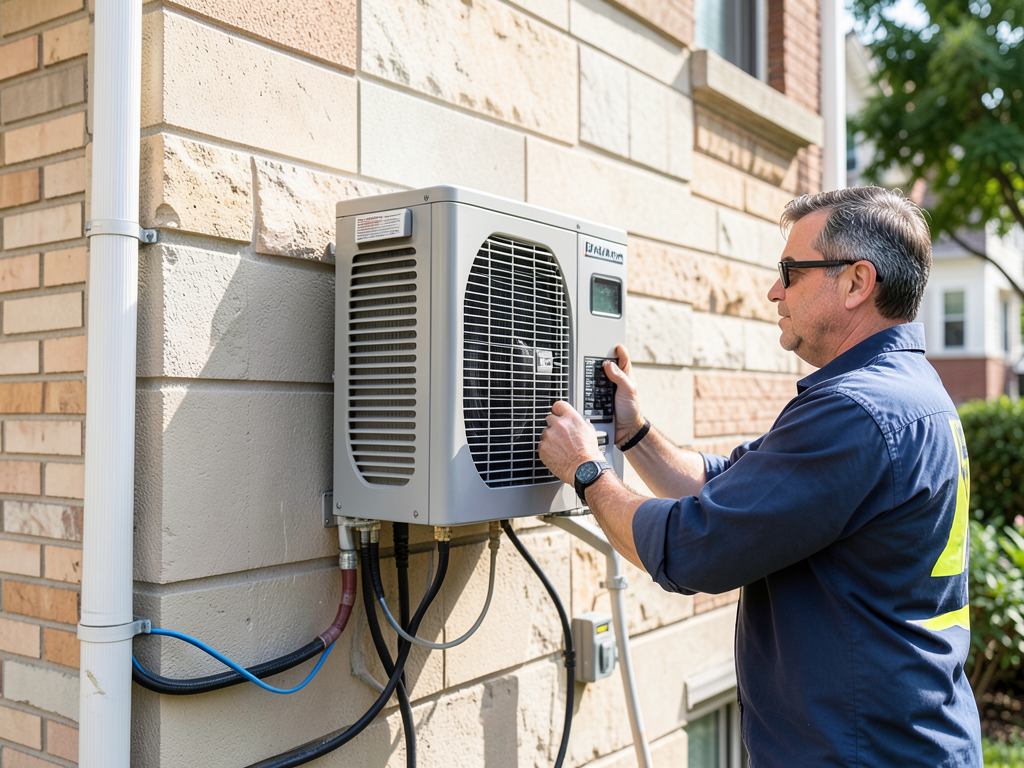
Heat pump installation typically costs between $8,000 and $15,000 for a single-family home in San Francisco. This includes the outdoor condenser unit, indoor air handler, and basic electrical work. Gas furnace installation runs $6,000 to $10,000 for comparable heating capacity. However, heat pumps often require electrical panel upgrades, especially in older San Francisco homes built before the 1980s. Who to Call for 24 Hour Emergency Heating Repair in San Francisco.
Victorian and Edwardian homes in neighborhoods like the Mission District and Noe Valley frequently have 100-amp electrical panels that can’t support a heat pump system. Upgrading to a 200-amp panel adds $2,000 to $4,000 to your project cost. Gas furnaces don’t have this requirement since they use minimal electricity for controls and blowers.. Read more about How to Stop Your HVAC System from Keeping the Neighbors Awake in Nob Hill.
Ductwork presents another cost factor. If your San Francisco home has existing ductwork from a previous heating system, installation becomes more straightforward. Homes without ducts often need mini-split heat pumps, which cost less to install but may not heat as evenly throughout larger spaces.. Read more about Premium Heating Solutions for Luxury Homes in Presidio Heights.
Operating Costs: Monthly Utility Bills
PG&E electricity rates in San Francisco average 29 cents per kilowatt-hour as of 2026. Natural gas costs approximately $2.00 per therm. Heat pumps typically use 3 to 4 kilowatts of electricity per hour of operation, while gas furnaces burn about 0.1 therms per hour.. Read more about How to Claim San Francisco Heat Pump Rebates and Save on Installation.
For a typical San Francisco winter month with 30 heating days, a heat pump might consume 300 kilowatt-hours, costing around $87. A gas furnace would use approximately 30 therms, costing about $60. However, heat pumps provide cooling in summer, potentially saving you $50 to $100 per month on air conditioning costs.. Read more about Navigating San Francisco HVAC Permits and Building Codes for Your Home Remodel.
Your actual savings depend heavily on your home’s insulation and San Francisco’s microclimates. Homes in the foggy Sunset District use less heating overall than those in sunnier areas like Potrero Hill. Heat pumps excel in our mild climate because they don’t need to work as hard as they would in colder regions.. Read more about Heating Upgrades That Preserve the Character of Alamo Square Edwardians.
Local Rebates and Incentives
BayREN offers rebates up to $4,000 for heat pump installations in San Francisco homes. TECH Clean California provides additional rebates of $3,000 to $5,000 for qualifying heat pump systems. These rebates can make heat pumps cost-competitive with gas furnaces on day one. BayREN rebates.
The federal Inflation Reduction Act provides a 30% tax credit on heat pump installations, up to $2,000. This credit applies to both equipment and installation costs. Gas furnaces don’t qualify for these incentives since they use fossil fuels. federal tax credit.
San Francisco’s CleanPowerSF program offers special electricity rates for homes with heat pumps. These Time-of-Use rates can reduce your operating costs by 10% to 15% if you shift major heating to off-peak hours.. Read more about How to Clean Up Your Indoor Air During San Francisco Wildfire Season.
Heat Pump Performance in San Francisco’s Climate
San Francisco’s mild, humid climate actually favors heat pump performance. Our average winter temperatures stay above 45 degrees, well within the optimal range for modern heat pumps. The coastal fog doesn’t significantly impact heat pump efficiency since units are designed to handle moisture.. Read more about Solving Temperature Imbalances in Multi-Level Potrero Hill Homes.
However, San Francisco’s older housing stock presents unique challenges. Many Victorian homes have poor insulation and drafty windows. Heat pumps work best in well-sealed homes, so you might need additional weatherization to maximize efficiency. This could add $1,000 to $3,000 to your project.
Heat pumps also provide excellent dehumidification during our occasional summer heat waves. They remove moisture from the air while cooling, which gas furnaces cannot do. This feature is particularly valuable in San Francisco’s high-humidity months when mold growth becomes a concern.. Read more about Space-Saving Cooling Options for Newer Condos in Mission Bay and the Dogpatch.
Gas Furnace Advantages in Specific Situations
Gas furnaces still make sense for certain San Francisco homes. If you have an existing gas line and want to avoid electrical upgrades, a furnace might be the simpler choice. They also provide more consistent heat in homes with poor insulation, though at higher operating costs.. Read more about Why Your Russian Hill Furnace is Making Rattling Noises and How to Fix It.
Gas furnaces have one significant advantage: they work during power outages. If PG&E’s Public Safety Power Shutoffs affect your neighborhood, a gas furnace with a battery backup can keep your home warm. Heat pumps require electricity to operate, though some models can work with solar battery systems.
For homes in the coldest San Francisco microclimates, like Twin Peaks or areas that experience occasional frost, gas furnaces provide a safety margin. However, modern heat pumps can handle temperatures down to 20 degrees, which covers nearly all San Francisco weather events.
Environmental Impact and Future Regulations
San Francisco has committed to reducing carbon emissions, and natural gas use in buildings is a major target. The city has already banned natural gas in new construction, and existing buildings face increasing pressure to electrify. Installing a gas furnace now might mean replacing it again in 10 to 15 years.
Heat pumps align with California’s building electrification goals. As the electrical grid becomes cleaner with more renewable energy, your heat pump’s carbon footprint will continue to decrease. Gas furnaces will always produce direct emissions from burning natural gas.
The Bay Area Air Quality Management District has also tightened regulations on gas appliances. While residential furnaces aren’t currently restricted, future regulations could affect their operation or maintenance requirements.. Read more about Deciding if an Annual HVAC Maintenance Plan is Worth the Investment.
Maintenance and Longevity Considerations
Gas furnaces typically last 15 to 20 years with proper maintenance. Heat pumps generally need replacement after 12 to 15 years since they run year-round for both heating and cooling. However, heat pumps often require less frequent maintenance since they don’t produce combustion byproducts.. Read more about Is a Dual-Fuel Hybrid Heating System the Best Choice for the San Francisco Climate.
San Francisco’s salt-air environment affects both systems differently. Gas furnaces need regular inspection of heat exchangers for corrosion, especially in homes within a mile of the ocean. Heat pumps require cleaning of outdoor coils to prevent salt buildup, but their sealed refrigerant systems resist corrosion better.
Annual maintenance for either system costs $150 to $300. Heat pumps might need two service visits per year since they handle both heating and cooling. Gas furnaces typically need one annual inspection before the heating season.. Read more about Simple Ways to Lower Heating Bills for Large Family Homes in West Portal.
Noise Considerations for San Francisco Living
Heat pump outdoor units generate noise that can concern neighbors in San Francisco’s dense housing. Modern units operate at 50 to 60 decibels, similar to normal conversation. If your condenser mounts on a shared wall or near property lines, you might need a sound-dampening pad or strategic placement.
Gas furnaces are quieter since the main noise source is indoors. However, they still require venting through your roof or wall, which can affect your home’s exterior appearance. Heat pumps need only a small electrical connection, preserving your home’s historic character.
San Francisco’s noise ordinances limit outdoor equipment to 70 decibels at property lines. Most modern heat pumps comply, but older units or improper installations can cause issues with neighbors.
Financing Options and Total Cost of Ownership
Many San Francisco homeowners finance HVAC upgrades through home equity loans or PACE (Property Assessed Clean Energy) programs. Heat pumps often qualify for better financing terms due to their energy efficiency and environmental benefits.
Over a 15-year period, a heat pump’s total cost of ownership typically runs $20,000 to $25,000 including installation, maintenance, and energy costs. A gas furnace costs about $18,000 to $22,000 over the same period, but this doesn’t include potential future replacement if regulations change.
Heat pumps can increase your home’s resale value by $5,000 to $10,000 in San Francisco’s environmentally conscious market. Buyers increasingly seek homes with modern, efficient systems that align with California’s sustainability goals.
Making the Right Choice for Your San Francisco Home
Your decision ultimately depends on your specific situation. If you want cooling capability, plan to stay in your home long-term, and can take advantage of rebates, a heat pump likely makes more financial sense. If you need minimal upfront investment and have existing gas infrastructure, a furnace might be the practical choice.
Consider your home’s electrical capacity first. If you need a panel upgrade anyway for other reasons like electric vehicle charging, the additional cost for heat pump readiness becomes minimal. If your electrical system is already maxed out, a gas furnace might be simpler.
Think about your comfort preferences too. Heat pumps provide more even, consistent heating without the temperature swings of gas furnaces. They also eliminate the risk of carbon monoxide from combustion, which is especially important in older San Francisco homes with potential venting issues.
Frequently Asked Questions
Do heat pumps work well in San Francisco’s cool climate?
Yes, modern heat pumps excel in San Francisco’s mild winters. They operate efficiently at temperatures well below our typical winter lows and provide both heating and cooling in one system.
How long does it take to install a heat pump versus a gas furnace?
Heat pump installation typically takes 2 to 3 days including electrical work. Gas furnace installation usually completes in 1 to 2 days since it requires less electrical modification.
Can I keep my existing ductwork with a new heat pump?
Often yes, but your ducts may need sealing or insulation upgrades to maximize heat pump efficiency. Heat pumps move air at lower temperatures than gas furnaces, so duct leaks have a bigger impact.
Ready to Make Your Decision?
The cost difference between heat pumps and gas furnaces in San Francisco isn’t just about the sticker price. It’s about long-term operating costs, available rebates, your home’s specific needs, and San Francisco’s push toward electrification. Heat pumps offer lower operating costs, cooling capability, and environmental benefits, but require higher upfront investment and electrical capacity.. Read more about Moving Toward an All-Electric Home with San Francisco Green Energy Rules.
Gas furnaces provide reliable heating with lower initial costs but face an uncertain future as San Francisco phases out natural gas. Your choice should align with your budget, comfort preferences, and long-term plans for your home.
Don’t guess about which system is right for your San Francisco home. Our experts can evaluate your specific situation, including your electrical capacity, home layout, and budget constraints. We’ll help you understand the real costs and benefits for your unique circumstances.
Call (628) 201-6600 today to schedule your free consultation. We’ll assess your home, explain your options clearly, and help you make the best choice for your comfort and budget. Whether you choose a heat pump or gas furnace, we’ll ensure professional installation that maximizes efficiency and reliability. Professional Commercial HVAC Maintenance for SOMA Office Buildings.
Pick up the phone and call (628) 201-6600 now. San Francisco’s heating season is approaching, and you don’t want to wait until the first cold snap to discover your system isn’t ready. Our team is standing by to help you make the right choice for your home’s heating future.
You may also find this helpful. Protecting Your HVAC Unit from Salt Air Damage in the Outer Sunset and Ocean Beach.
You may also find this helpful. Dealing with Dampness and Fog Related Humidity in the Outer Richmond.
{
“@context”: “https://schema.org”,
“@type”: “BlogPosting”,
“headline”: “The Real Cost Difference Between Heat Pumps and Gas Furnaces in San Francisco”,
“description”: “Compare heat pump vs gas furnace costs in San Francisco. See local rebates, installation costs, and operating expenses for 2026. Call (628) 201-6600 for a free quote.”,
“wordCount”: 1906,
“datePublished”: “2026-03-06T11:41:00.000Z”,
“dateModified”: “2026-03-06T11:41:00.000Z”,
“inLanguage”: “en-US”,
“mainEntityOfPage”: {
“@type”: “WebPage”,
“@id”: “https://atlashvacsanfrancisco.com”
},
“publisher”: {
“@type”: “LocalBusiness”,
“name”: “Atlas HVAC San Francisco”,
“url”: “https://atlashvacsanfrancisco.com”
},
“author”: {
“@type”: “Organization”,
“name”: “Atlas HVAC San Francisco”,
“url”: “https://atlashvacsanfrancisco.com”
},
“image”: {
“@type”: “ImageObject”,
“url”: “https://atlashvacsanfrancisco.com/wp-content/uploads/2026/03/the-real-cost-difference-between-heat-pumps-and-ga-1.png”
}
}
{
“@context”: “https://schema.org”,
“@type”: “HVACBusiness”,
“name”: “Atlas HVAC San Francisco”,
“url”: “https://atlashvacsanfrancisco.com”,
“address”: {
“@type”: “PostalAddress”,
“addressLocality”: “San Francisco”
},
“areaServed”: {
“@type”: “City”,
“name”: “San Francisco”
}
}
{
“@context”: “https://schema.org”,
“@type”: “FAQPage”,
“mainEntity”: [
{
“@type”: “Question”,
“name”: “Do heat pumps work well in San Francisco’s cool climate?”,
“acceptedAnswer”: {
“@type”: “Answer”,
“text”: “Yes, modern heat pumps excel in San Francisco’s mild winters. They operate efficiently at temperatures well below our typical winter lows and provide both heating and cooling in one system.”
}
},
{
“@type”: “Question”,
“name”: “How long does it take to install a heat pump versus a gas furnace?”,
“acceptedAnswer”: {
“@type”: “Answer”,
“text”: “Heat pump installation typically takes 2 to 3 days including electrical work. Gas furnace installation usually completes in 1 to 2 days since it requires less electrical modification.”
}
},
{
“@type”: “Question”,
“name”: “Can I keep my existing ductwork with a new heat pump?”,
“acceptedAnswer”: {
“@type”: “Answer”,
“text”: “Often yes, but your ducts may need sealing or insulation upgrades to maximize heat pump efficiency. Heat pumps move air at lower temperatures than gas furnaces, so duct leaks have a bigger impact.”
}
},
{
“@type”: “Question”,
“name”: “Ready to Make Your Decision?”,
“acceptedAnswer”: {
“@type”: “Answer”,
“text”: “The cost difference between heat pumps and gas furnaces in San Francisco isn’t just about the sticker price. It’s about long-term operating costs, available rebates, your home’s specific needs, and San Francisco’s push toward electrification. Heat pumps offer lower operating costs, cooling capability, and environmental benefits, but require higher upfront investment and electrical capacity.”
}
}
]
}
{
“@context”: “https://schema.org”,
“@type”: “BreadcrumbList”,
“itemListElement”: [
{
“@type”: “ListItem”,
“position”: 1,
“name”: “Home”,
“item”: “https://atlashvacsanfrancisco.com”
},
{
“@type”: “ListItem”,
“position”: 2,
“name”: “Blog”,
“item”: “https://atlashvacsanfrancisco.com/blog”
},
{
“@type”: “ListItem”,
“position”: 3,
“name”: “The Real Cost Difference Between Heat Pumps and Gas Furnaces in San Francisco”
}
]
}
{
“@context”: “https://schema.org”,
“@type”: “Service”,
“serviceType”: “HVAC”,
“provider”: {
“@type”: “LocalBusiness”,
“name”: “Atlas HVAC San Francisco”,
“url”: “https://atlashvacsanfrancisco.com”
},
“areaServed”: {
“@type”: “City”,
“name”: “San Francisco”
},
“description”: “Compare heat pump vs gas furnace costs in San Francisco. See local rebates, installation costs, and operating expenses for 2026. Call (628) 201-6600 for a free quote.”
}